
Vandaag of morgen in huis

Kwaliteit gegarandeerd

Welkomstaanbiedingen ontgrendelen: GRATIS bezorging | Tot 80% korting | Gratis 30 dagen JoyPlus-proefperiode
Download de app
There is a huge choice of dog food and dog treats. Dry food, wet food, grain-free recipes, training treats and chew products are often presented with eye-catching claims. Yet attractive packaging says little about whether a product is right for your dog.
The most common purchasing mistakes are:
First, check the legal designation. A product intended as a daily meal will generally state that it is complete food. A complementary product, such as many dog biscuits and soft dog training treats, is intended as a reward or supplement.
Eukanuba Life Care Dog Adult Small/Medium Lamb & Rice 3kg is described in the product information as 100% complete and balanced dog food for adult small and medium-sized dogs. INABA Churu and Fun Bites, on the other hand, are described as complementary food. Use these products as a reward, topper or snack rather than as a complete meal.
An adult dog has different nutritional needs from a puppy or senior dog. Also pay attention to the size of the kibble. Dog food for small breeds often has smaller pieces, while active or large dogs may benefit from a higher-energy recipe.
Look at:
The recommended amount on the packaging is a starting point. Adjust the portion according to your dog’s body condition, exercise levels and any combination with wet food or treats.
Do not compare only the first ingredient; look at the entire recipe. Pay attention to the levels of crude protein, fat, fibre, ash and moisture. Wet dog food contains considerably more moisture than dry food, so you cannot compare the nutritional values directly without taking this into account.
Extra care is needed in cases of allergy or suspected intolerance. Hypoallergenic dog food is not a universal solution, and a product containing lamb may also contain chicken, for example. Eukanuba Lamb & Rice lists chicken as a protein source in addition to lamb. Discuss persistent symptoms with a vet and change your dog’s food gradually.
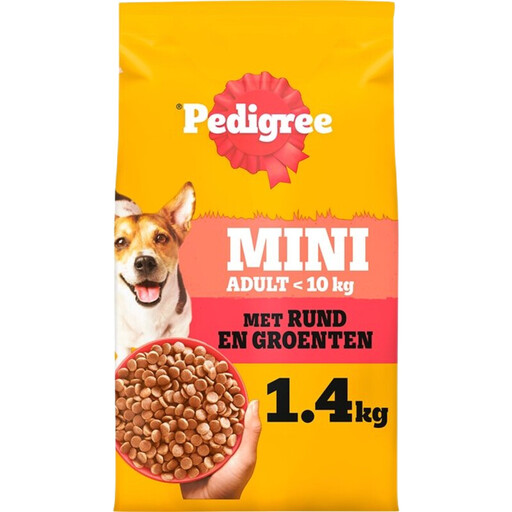
Why it suits this profile: The 1.4kg pack is a manageable choice if you are buying dry dog food for the first time. The product is intended for small adult dogs weighing up to 10kg.
The product specification states that it has small kibble and gives specific daily quantities for different body weights. This makes it easier to compare than choosing based on the flavour name alone.
22% crude protein, 13% fat and a clearly specified recipe containing cereals, meat and plant-based ingredients.
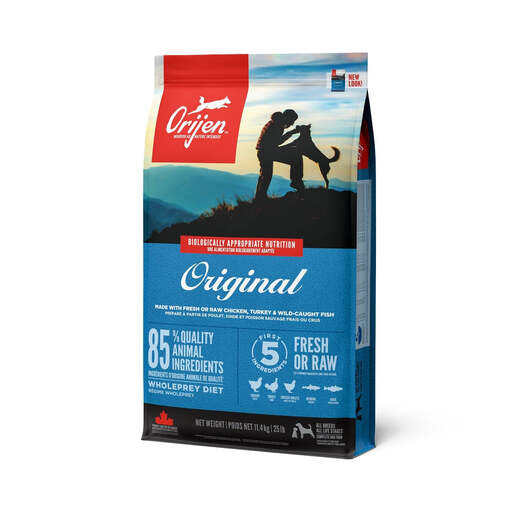
Why it suits this profile: This large bag is aimed at owners looking for an extensive recipe containing chicken, turkey, fish and egg for adult dogs.
The ingredients and analytical constituents are listed in detail. However, check first whether a recipe containing multiple animal protein sources is suitable for your dog.
38% crude protein, 18% crude fat and a grain-free recipe containing chicken, turkey, herring, cod and egg, among other ingredients.
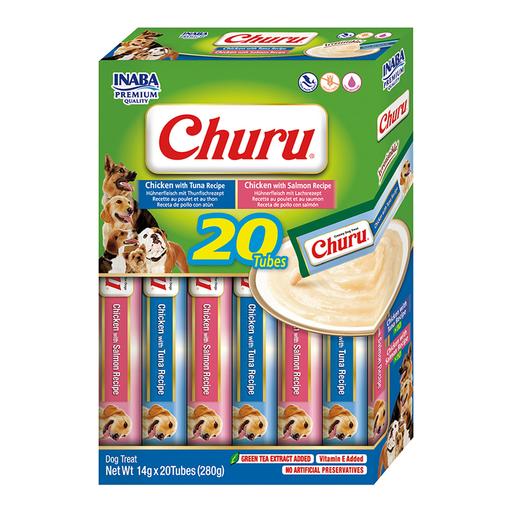
Why it suits this profile: These portions are intended as a reward, topper or training treat. The two chicken and seafood varieties add variety during training.
The packaging clearly states that this is complementary food and gives a guideline of 1–2 tubes per day, depending on the dog.
20 portions of 12g, at least 90% moisture, and suitable for serving directly or mixing into regular food.

Why it suits this profile: These small chew sticks are aimed at smaller dogs that enjoy chewing a treat for longer.
This variety is specifically labelled as small. Give the treat under supervision and choose a size suited to your dog’s chewing strength.
10 pieces, with no added grains or gluten according to the product description, combining beef hide and dried chicken.
We have put together a complete, up-to-date list of products that fully meet these strict selection criteria and the applicable European safety regulations.
That depends on your dog’s preferences, the recipe and your practical circumstances. Dry food is easy to portion and store. Wet food generally contains more moisture and has a different energy density. Compare the nutritional values based on the recommended portion.
Follow the guidance on the packaging and take your dog’s total daily energy intake into account. Many suppliers recommend that treats provide no more than around 10% of daily calories. Reduce the main meal if necessary and always provide fresh drinking water.
Grain-free dog food may be suitable if you specifically want a recipe without grains or if a vet recommends a particular dietary approach. It is not a general guarantee of quality. Always check which ingredients replace the grains and whether the product is complete food.
