
Vandaag of morgen in huis

Kwaliteit gegarandeerd

Welkomstaanbiedingen ontgrendelen: GRATIS bezorging | Tot 80% korting | Gratis 30 dagen JoyPlus-proefperiode
Download de app
A bag of dry dog food featuring an eye-catching meat variety, a tin of wet food with “natural” ingredients or a grain-free recipe: there is plenty of choice. However, an appealing front of pack says little about whether it is suitable for your dog. Look beyond terms such as premium dog food, “high meat content” or “for sensitive dogs”.
The most common pitfalls when choosing dog food are:
Check whether it states that the product is complete and balanced dog food. This means that, according to the product information, it is intended to be served as a complete meal and provides nutrients in the specified proportions. Also check the intended audience:
A puppy, senior dog or dog with a diagnosed condition may have different nutritional needs. If in doubt, discuss a tailored feeding plan with a vet.
If you are looking for dog food with beef, lamb, duck, venison or fish, it is worth reading the ingredients list. The order provides useful information about the recipe, but also look out for combined terms such as “meat and animal derivatives”.
For a recipe intended for sensitive dogs, a clearly named protein source can be useful. However, watch out for overlapping ingredients. For example, a food with duck may also contain chicken fat or chicken liver. This is important if you specifically want to try a single animal protein source.
Examples:
Dry dog food is easy to measure, takes up little space and is practical for everyday use. Check the crude protein, crude fat, fibre and moisture content. A hard kibble is not automatically suitable for every set of teeth or every dog.
Wet dog food generally contains a lot of moisture and may appeal to dogs that prefer a softer texture. Once opened, it usually needs to be stored in the fridge. For the products mentioned, it is recommended that opened portions are used within 48 hours or within two days.
Combining dry and wet dog food can be practical, but adjust the total amount accordingly. Adding wet food on top of the usual kibble portion can increase your dog’s daily energy intake.
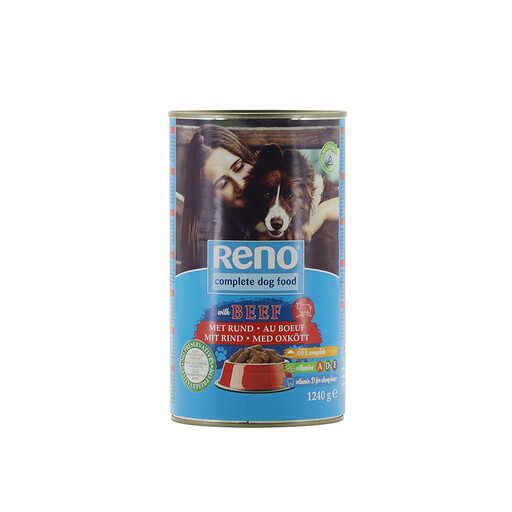
Why it suits this profile: A 1.24 kg pack is a manageable choice for a first purchase or for a household that wants to try wet food without immediately buying a large stock-size pack.
The product information states beef in gravy, adult dogs and complete food. However, check the current packaging and portion guidelines before buying.
Wet food with pieces of beef in gravy; 1.24 kg pack; according to the product description, without artificial colourings, flavourings or preservatives.
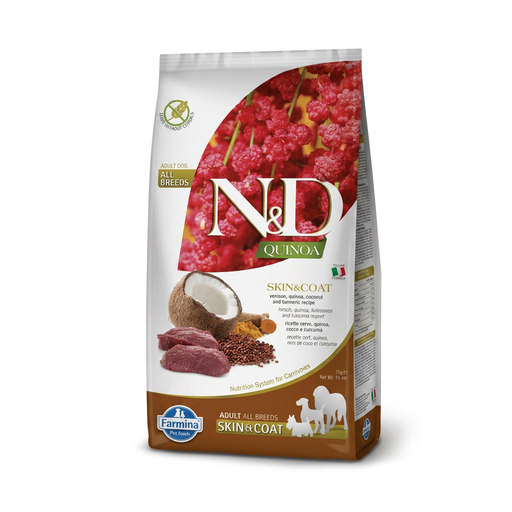
Why it suits this profile: The recipe is designed for adult medium-sized and large dogs and lists venison, quinoa and a grain-free formula.
The protein source and intended audience are clearly described. Grain-free does not mean that every ingredient is suitable: read the full list, which includes peas and quinoa.
7 kg of dry food; 32% crude protein and 18% crude fat according to the product information; venison as the named animal protein source.
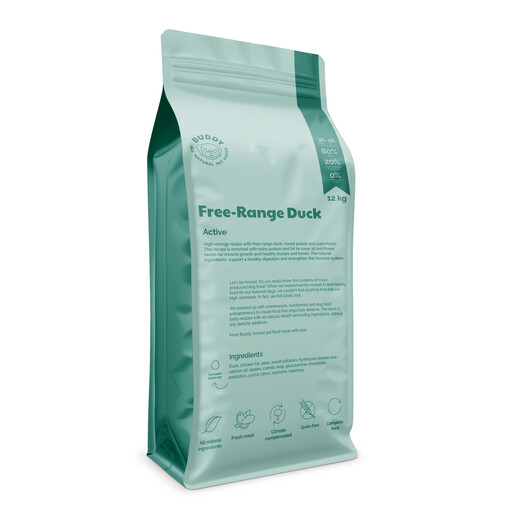
Why it suits this profile: The large pack size and stated recipe are practical for large, active or working dogs that eat dry food every day.
The product details mention 80% animal ingredients and a recipe without grains or gluten. If you are feeding a sensitivity diet, also check the listed chicken ingredients.
12 kg pack; duck as the named main ingredient; kibble size of approximately 1.2–1.6 cm according to the product information.
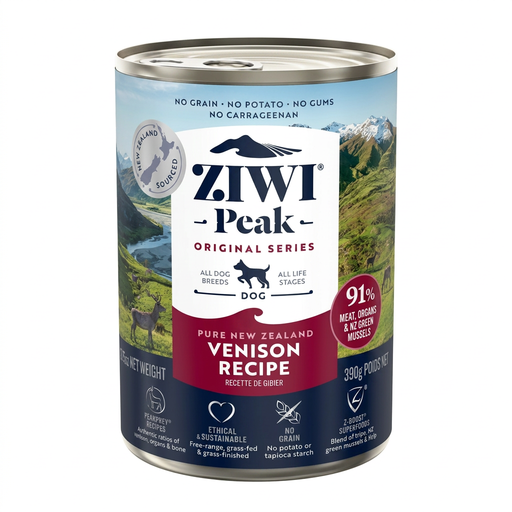
Why it suits this profile: This wet food with venison is an option for anyone wanting to compare a soft meal with a clearly named protein source against dry food.
The packaging lists venison as the sole protein source. For allergies, always check the current ingredients and consult a vet if symptoms persist.
390 g wet food; according to the product information, 92% venison, organs and bones; refrigerate after opening and use within two days.
We have put together a complete, up-to-date list of products that fully meet these strict selection criteria and the applicable European safety regulations.
Mix the new food gradually with the old food, usually over a period of around seven days. Start with a small amount and increase it step by step. Monitor your dog’s stools, appetite and body weight. Do not simply stop feeding a diet prescribed by a vet.
Store dry dog food sealed in a cool, dry place. For wet dog food, follow the instructions on the packaging. Always provide fresh drinking water and adjust the portion according to your dog’s weight, age, activity level and whether they have been neutered or spayed.
Suitable dog food is adapted to the dog’s life stage and is labelled as complete food. Also compare the protein source, energy content, portion guidelines and your dog’s tolerance. A product for adult dogs is not automatically suitable for puppies or dogs with specific nutritional needs.
Not necessarily. Grain-free dog food often replaces grains with ingredients such as peas, potato, sweet potato or other carbohydrate sources. Choose based on the full recipe and your dog’s response, not just the front of the packaging.
The shelf life is stated on the packaging. Once opened, quality also depends on storage: seal the bag properly, keep it somewhere cool and dry, and use the food within the stated period. Only buy a large pack if your dog tolerates the food well and will finish it before the use-by period ends.
