
Vandaag of morgen in huis

Kwaliteit gegarandeerd

Welkomstaanbiedingen ontgrendelen: GRATIS bezorging | Tot 80% korting | Gratis 30 dagen JoyPlus-proefperiode
Download de app
Rewarding, entertaining or giving your dog something to chew sounds simple. Yet there is a wide range of dog chew toys and treats available. A soft toy can tear within minutes, while a chew treat may not be suitable for your dog’s weight, age or chewing habits.
The main pitfalls are usually not bright colours or flavours, but the wrong size, unclear material information and overly broad claims about dental care. With these checkpoints, you can make a better choice for puppies, small dogs and adult dogs.
A treat for small dogs is not automatically suitable for a medium-sized or large dog. With dog toys, too, the size determines how easily your dog can grip the toy and whether loose parts can be bitten off.
Always check:
For example, according to the product information, Pedigree Dog Dental Chews Small Dogs is intended for dogs weighing 5–10 kg from 4 months old. Pedigree Dog Dental Chews Large Dogs is a different variant, so you should check the packaging and instructions for use separately.
Marketing terms such as “bite-resistant” or “durable” do not mean that a toy is suitable for every dog. A latex toy may be pleasant for a puppy, but less suitable for a dog that chews hard and for long periods. A nylon toy is generally stronger, but supervision is still needed.
Check the material and warnings:
According to product information, dental sticks and chew toys can help to clean teeth mechanically while chewing. They do not replace a full dental check-up or advice from a vet. Brand claims should therefore be understood as product claims, not as a guarantee for every dog.
According to Pedigree’s own research, the small DentaStix variant can reduce tartar build-up by up to 80% when used daily. This is a brand claim from the product description. The shape, ingredients and feeding guidelines are verifiable in the product information: the stick has an X-shape, contains 82 kcal per medium stick according to the description and is intended as complementary pet food.
A puppy often needs different toys from an adult dog. For chew toys for puppies, the right size and a flexible texture are important. During the teething stage, do not leave a puppy unsupervised to chew for long periods on toys with a squeaker or hard core.
When choosing toys for small dogs, focus on a good grip and a size that cannot easily disappear completely into the dog’s mouth. For toys for medium-sized dogs, a larger shape is often more practical. Nylon or another sturdy material may be more suitable for powerful chewers, but regular inspection remains essential.
For dog treats, dog biscuits and dog chew bones, check the ingredients and recommended quantity. A treat is complementary food and should not simply be added on top of your dog’s normal meal.
Look out for:
According to the product information, Pedigree Dog Bone Snack Medium Dogs is intended for adult dogs weighing 15–25 kg, with a maximum of three pieces per week for this weight category. A different quantity applies to dogs weighing 10–15 kg. The packaging also states that the main meal should be adjusted.
Always give treats under supervision, especially if your dog eats quickly or bites off large pieces. Provide fresh drinking water and store opened treats in a cool, dry place according to the label. Many of the products mentioned should be used within 14 days of opening; always check the packaging for the latest information.
For toys:
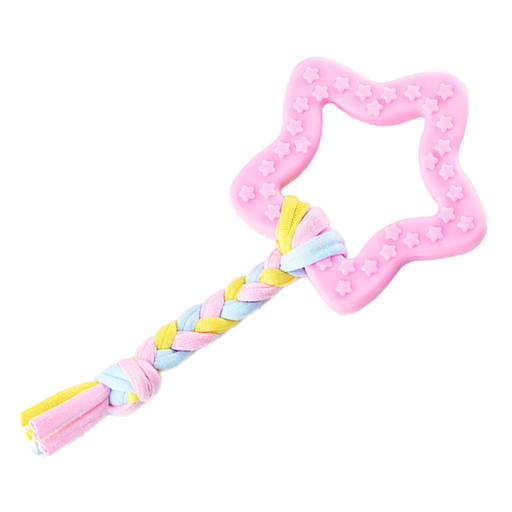
Why it suits this profile: This TPR and fabric toy measures 16.5 × 8 cm and is intended for puppies and small dogs. It is suitable for chewing, tugging and fetching.
The recommended target group and dimensions are clearly stated. It is not intended for aggressive chewers or medium-sized and large breeds.
TPR and fabric; suitable for tugging, chewing and interactive play. Use under supervision.

Why it suits this profile: A daily dental stick for adult small dogs and dogs from 4 months old, with a specified weight range of 5–10 kg.
The size, daily amount and ingredients are described clearly. The tartar claim comes from Pedigree’s product information and is not a general guarantee.
X-shape; 1 stick per day according to the product information; 1.3% fat stated.
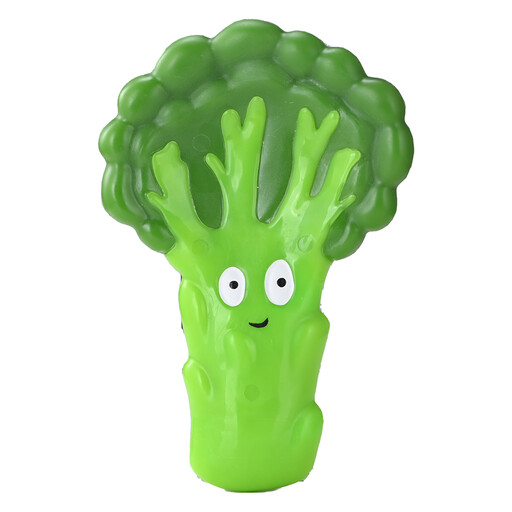
Why it suits this profile: According to the product information, the 11 × 3.5 × 16.5 cm nylon chew toy is designed for dogs with moderate to strong chewing habits.
The material and dimensions are specified. The warning to check the toy regularly helps prevent wear from going unnoticed for too long.
Nylon material; suitable for throwing and fetching; can be rinsed with water according to the instructions for use.
We have put together a complete, up-to-date list of products that fully meet these strict selection criteria and the applicable European safety regulations.
For treats for small dogs, small soft biscuits or a suitably sized dental stick are practical options. For example, Pedigree Cheesy Bites lists separate quantities for dogs weighing 2–3 kg, 4–9 kg and larger weight categories.
For adult medium-sized dogs, chew sticks such as Pedigree Dog Bone Snack Medium Dogs may be suitable, as long as you follow the weekly quantity. For training, small pieces of dog biscuits are more convenient than a large chew treat. A treat containing beef, chicken or other animal-based ingredients is not suitable if your dog is sensitive to them; check the ingredients list and ask a vet for advice if in doubt.
No. The right variant depends on your dog’s weight, age and chewing habits. You should also check the feeding guidelines. According to the product description, dental sticks support daily care, but they do not replace a check-up or treatment by a vet.
That depends on the material, the intensity of play and the dog. A toy with a squeaker or plush toy may become damaged more quickly than a nylon chew toy. There is no fixed lifespan. Replace the product as soon as you notice tears, loose pieces, sharp edges or a visible squeaker.
The cost depends on the portion, your dog’s size and the type of treat. Calculate the price per piece and follow the daily or weekly quantity shown on the packaging. According to the product information for some products, treats should make up no more than 10% of the daily calorie intake; adjust the main meal if necessary.
