
Vandaag of morgen in huis

Kwaliteit gegarandeerd

Welkomstaanbiedingen ontgrendelen: GRATIS bezorging | Tot 80% korting | Gratis 30 dagen JoyPlus-proefperiode
Download de app
Buying a treat for your dog or cat might seem straightforward. However, dog treats and cat treats differ significantly in composition, size, texture and nutritional value. An attractive packet doesn’t always tell you enough about how it will work in practice.
As a Joybuy Product Recommendation Officer, I therefore focus on verifiable information: the species, ingredients, analytical constituents, portion size, age and size of your pet. This way, you avoid ending up with a large pack that goes unused, or a treat that doesn’t suit the purpose you bought it for.
Words like “dental”, “anti-hairball” or “low in fat” indicate what a product is intended for, but they don’t guarantee results for every animal. According to the product description, G’woon Cat Treats Anti-hairball are designed for cats that often suffer from hairballs. The composition lists 4% crude fibre, among other things. That makes the product relevant for this use, but individual cats may react differently.
The same caution applies to dental sticks for dogs. According to the product description, G’woon Dental sticks Medium are intended to support dental care. They do not replace a check-up or care from a vet.
A dog may love meat-based treats, but the meat percentage, protein content and presence of grains vary widely. A stick with a high meat content isn’t automatically suitable for every animal. Always check the ingredients if your dog is sensitive to beef, chicken, lamb, soya or grains.
The same goes for cat treats with fish. A salmon flavour doesn’t always mean fish is the main ingredient. Purina Dentalife Denta Care Snacks Cat Salmon lists dehydrated poultry proteins and fish and fish by-products, among other things.
A value pack may be attractively priced, but treats lose quality after opening if they aren’t sealed properly. Pay attention to the weight, the number of pieces and the shelf life once opened. For Whiskas Cat Sticks Beef Flavour, for example, the product information states that an opened pack must be used within a short time. Always follow the label on the packaging for the exact timeframe.
Don’t give dog treats to a cat, or vice versa. Also consider the age. Some treats are intended for adult animals. According to the product information, Whiskas Cat Sticks Beef Flavour are for adult cats and not for kittens.
Size matters especially for dogs. Pedigree Jumbone Mini Chicken & Lamb is designed for small dogs up to 15 kg. For treats for small dogs, the right size is important because a chew that’s too large can be difficult to eat. For treats for medium-sized dogs, such as G’woon Dental sticks Medium, you need to check the stated size and feeding guideline.
Compare at least:
Rosewood Salmon Fillet Strips Large contain 97% salmon according to the product description and are intended as a treat for dogs. The packaging also states a low fat content. If your dog has an allergy, still check the full ingredients list.
Treats are generally supplementary food and not a replacement for a complete meal. The product information for several of the treats mentioned advises keeping snacks to around 10% of daily calorie intake. Adjust the main meal accordingly if needed.
Supervision is important with chews for dogs. Don’t give a dog a chew bone or stick without supervision, especially if they try to swallow large pieces. Always make sure fresh drinking water is available.
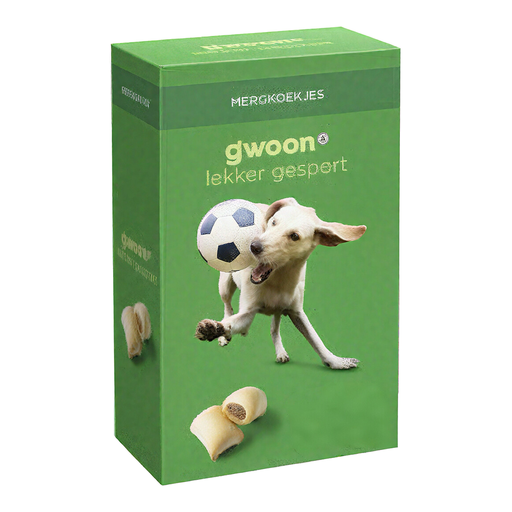
Why this fits the profile: The 500g bag is practical for regular rewarding, training and a treat between meals.
The product information clearly mentions a crunchy outside, soft marrow filling and suitability for dogs of all breeds and sizes. Do check the grains with gluten if your dog is sensitive to them.
500g pack; suitable as a reward or training treat; no artificial colours or flavours according to the product description.
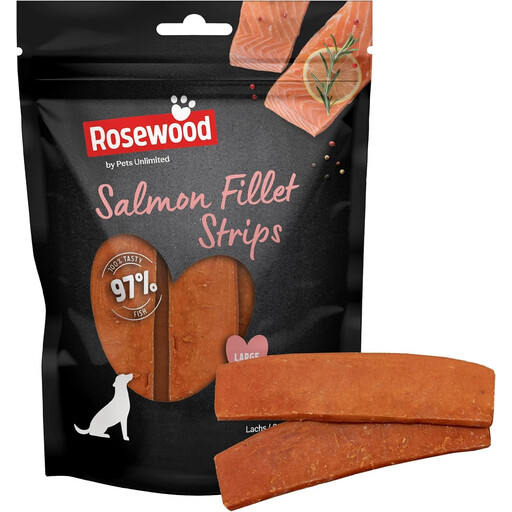
Why this fits the profile: An option for those who care about the composition and are looking for fish-based dog treats for after a walk or during training.
The stated salmon percentage makes the choice more verifiable than a pack that only says “fish flavour”. Still check all ingredients if your pet has allergies.
150g pack; according to the product description 97% salmon; no added grains, gluten, artificial colours, flavours or preservatives.
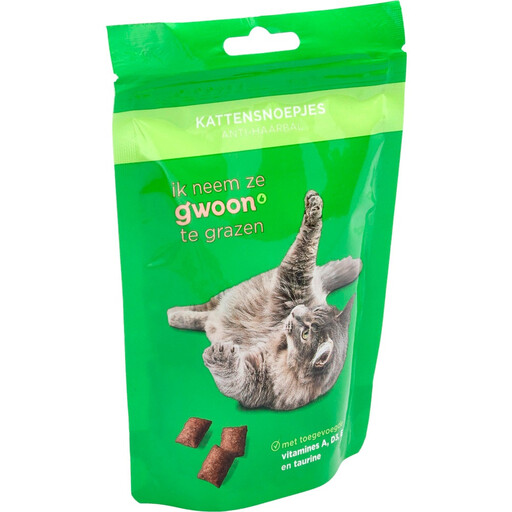
Why this fits the profile: Aimed at cat owners looking for a treat with a specific hairball function rather than just a flavour reward.
The recommended amount of around 5 to 10 treats per day is stated in the product information. This helps you adjust portions better to your cat’s weight and activity level.
4% crude fibre according to the stated analysis; clear daily guideline; store in a cool, dry place.
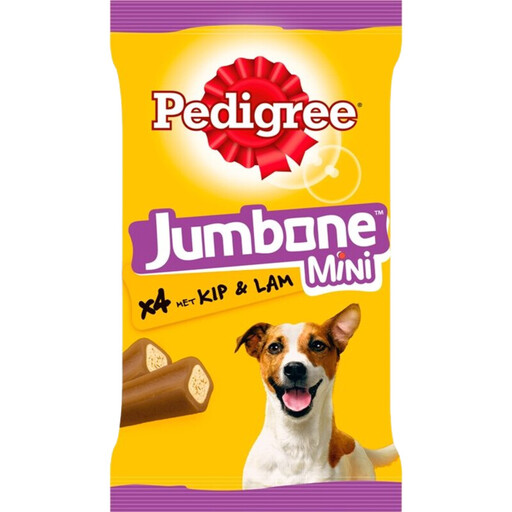
Why this fits the profile: The mini version is intended for adult small dogs up to 15 kg, according to the product information.
The target group and maximum portion are clearly described. The information also states that the treat is not suitable for very small dogs or young puppies.
Mini size; four pieces per pack; according to the product information less than 2% fat.
We’ve put together a full, up-to-date list of products that fully meet these strict selection criteria and comply with current European safety regulations.
Use the feeding guideline on the packaging and keep treats preferably below around 10% of daily calorie intake. Give less main food if you give several dog treats a day. The right amount depends on weight, age, activity level and the type of treat.
No. According to product descriptions, certain dental sticks can support dental care, but they don’t replace full oral care. Supervise your dog while chewing and contact a vet if dental problems persist.
Choose treats that clearly state they are for adult cats. Then check the composition, portion size and any ingredients your cat may be sensitive to. For a cat that has hairballs, you can specifically look at hairball control cat treats, such as a variety with a stated fibre content.
