
Vandaag of morgen in huis

Kwaliteit gegarandeerd

Welkomstaanbiedingen ontgrendelen: GRATIS bezorging | Tot 80% korting | Gratis 30 dagen JoyPlus-proefperiode
Download de app
Giving your pet a treat is easy. Choosing the right dog treats and cat treats requires a little more consideration. Eye-catching packaging does not always tell you much about the ingredients, size or suitability for your pet. A large value pack can also be impractical if your pet does not enjoy the treat or if the product deteriorates quickly after opening.
Focus primarily on the purpose of the treat, the ingredients and the recommended daily amount. This helps prevent a reward from quietly accounting for a significant share of your pet’s calorie intake.
Bacon, chicken and salmon flavours can make treats more enticing, but most products are complementary pet food. They are not a substitute for a complete meal. Offer them alongside your pet’s usual food and adjust the meal if the recommended amount is exceeded.
Terms such as “dental care”, “hairball control” or “supports hydration” often describe the intended use or a manufacturer’s claim. According to a brand’s own research, for example, a particular texture may be associated with less plaque or tartar, but this is not a guarantee for every animal. Treat dental care snacks for dogs and cats as a supplement, not a replacement for daily care or veterinary advice.
A large bag may seem like good value, but also check:
Soft or liquid treats sometimes need to be refrigerated after opening. In that case, a smaller pack may be more practical than a large bag that remains open for a long time.
Review the ingredients list in descending order. When choosing dog treats for training, look for a size that is easy to break or portion. Cats may prefer small, crunchy cat treats, a soft filling or a liquid snack.
Analytical constituents indicate, among other things, the levels of protein, fat, crude fibre, ash and moisture. A high moisture content does not automatically mean that a product is a complete meal. According to the product information, for example, INABA Fun Bites Cat Chicken Wraps Tuna contains 93% moisture and is intended as a complementary treat or an additional snack alongside regular food.
Not every treat is suitable for every animal. Check whether the product is intended for:
According to the product description, Pedigree Jumbone Mini Chicken & Lamb is intended for adult small dogs weighing up to 15 kg and is not suitable for puppies below the stated age. A large chew is not automatically suitable for a small dog, even if you break it into pieces.
A hard chew remains engaging for longer, but requires supervision. Check whether your dog tries to swallow large pieces. Soft treats are easier to portion, while crunchy treats can be particularly convenient as small rewards.
Store treats in a cool, dry place, seal opened bags properly and follow the instructions on the packaging. Liquid or moist products often need to be refrigerated after opening and used promptly.
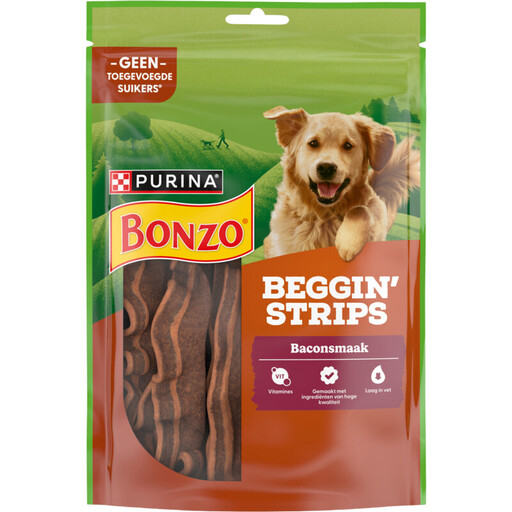
Why This Fits Their Persona: An accessible soft treat for adult dogs, ideal as a reward between meals.
The product information lists 15.7% protein, 5.7% fat and 23% moisture. This lets you compare the treat using concrete nutritional values rather than focusing solely on the bacon-themed packaging.
Soft strips; intended as complementary food and a reward for adult dogs.
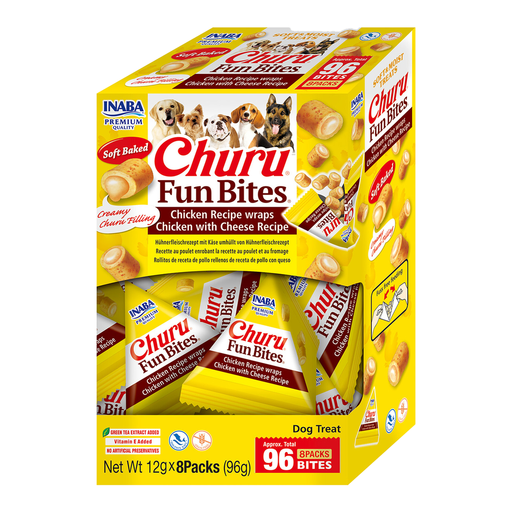
Why This Fits Their Persona: Small portions and a soft texture are well suited to training sessions and hand-feeding.
The pack contains eight 12 g portions. This makes portioning more straightforward than using a large treat that needs to be broken up repeatedly.
Soft bites; 69% moisture; approximately 15.6 kcal per pack according to the product information.
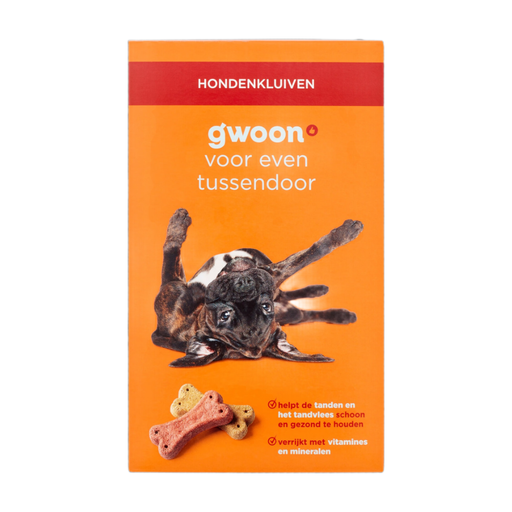
Why This Fits Their Persona: A 500 g box is practical for pet parents who regularly offer dog chews.
The instructions advise supervising your dog while chewing and limiting treats to a maximum of 10% of daily calorie intake. This helps prevent prolonged chewing without portion control from turning into overfeeding.
500 g pack; intended as a chew reward; according to the product description, free from artificial colours and flavourings.
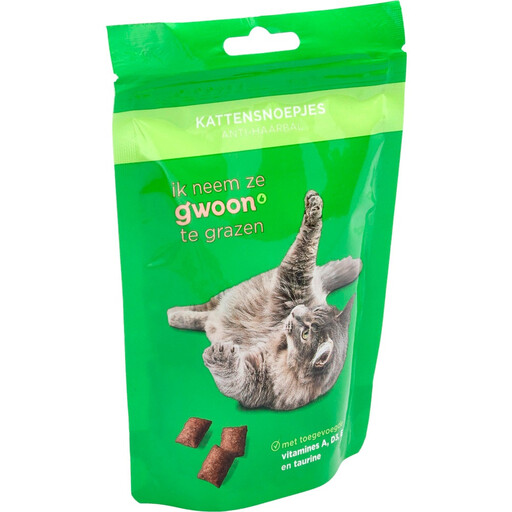
Why This Fits Their Persona: An option for cat owners specifically looking for hairball-control treats and wishing to follow a consistent daily amount.
The packaging recommends approximately 5 to 10 treats per day, depending on your cat’s weight. Follow this guidance rather than offering unlimited extras.
Contains 4% crude fibre according to the product information; the recommended amount is linked to the cat’s weight.
Explore a current selection of treats and food for dogs and cats. Compare the ingredients, size, intended use and pack contents before placing your order.
As a practical guideline, treats should account for no more than approximately 10% of your pet’s daily calorie intake, unless the product packaging recommends otherwise. Adjust the main meal and take your pet’s weight, age, activity level and body condition into account.
No. According to some brands’ own research, a particular chewing texture may help reduce plaque or tartar. The effect varies from one animal to another. Offer the treat under supervision and continue with your pet’s normal dental-care routine.
Store dry dog treats and cat treats in a cool, dry place in a tightly sealed container or package. Soft, liquid or moisture-rich treats often need to be refrigerated according to the label and used within a short period. Always check the best-before date and the storage instructions on the packaging.
