
Vandaag of morgen in huis

Kwaliteit gegarandeerd

Welkomstaanbiedingen ontgrendelen: GRATIS bezorging | Tot 80% korting | Gratis 30 dagen JoyPlus-proefperiode
Download de app
A bag of dog or cat food may seem like a quick choice. Yet you may sometimes be paying for eye-catching packaging, a flavour name or a health claim that does not truly match your pet’s needs. The right choice starts not with the brand, but with the animal species, life stage, portion size and composition.
In this guide from the Joybuy Product Recommendation Officer, you’ll learn what to consider when choosing cat food for adult cats, puppy food and nutrition for specific situations. You’ll also find several products whose available specifications clearly indicate which animal they are intended for and how they should be used.
Not every wet food is intended to be a complete meal. Purina One Hydralife Adult Cat Complementary Wet Food Chicken Flavor and the salmon-flavoured variant are, for example, complementary foods. These products can be used as a daily source of additional hydration or mixed with dry food, but they do not automatically replace a complete meal.
Always check the legally defined product designation on the packaging:
Packaging may refer to support for digestion, the urinary tract, joints or dental health. Such wording is not the same as a medical effect. According to Purina’s own research, for example, its Sensitive formula may reduce stool odour by 24% within 14 days. This is a brand claim, not a guarantee for every cat.
Pedigree Dentastix packaging likewise states, according to the product description, that daily use can reduce tartar formation by up to 80%. This is based on the brand’s own clinical substantiation. Treat it as product information, not as a substitute for veterinary checks or advice.
“Chicken dog food”, “lamb dog food” or “fish dog food” does not tell you everything about the recipe. Check the ingredients list to see how much of the named ingredient is actually included and which other protein sources have been added. This is particularly important if you are considering an elimination diet or if your dog or cat reacts sensitively to certain ingredients.
A puppy has different nutritional needs from an adult or senior dog. Check whether the product is intended for:
Size is equally important. A small dog often needs smaller kibble and a different daily portion from a medium or large dog. The Eukanuba Life Care range, for example, distinguishes between small, medium and senior dogs.
Dry cat food and most staple dog meals should carry a complete nutritional declaration. Also review the analytical constituents, such as crude protein, fat, fibre, ash and moisture. These figures are useful for comparison, but only become meaningful when considered alongside portion size and your pet’s energy requirements.
Cat wet food typically contains considerably more moisture than kibble. This can be useful for cats that drink very little, but the product must still fit into their overall feeding plan. For additional hydration, you may consider a complementary product, while always ensuring that fresh drinking water is available.
A grain-free recipe is not automatically suitable for every dog. Grain-free dog food may contain legumes, potato or sweet potato. Always review the complete ingredients list rather than relying only on the front of the packaging.
For urinary cat food, check that the product is identified as complete food for adult cats and review its mineral composition. According to the product description, Purina One Urinary Care Chicken has been developed with balanced minerals and a formula that supports the urinary tract. This is not a treatment for urinary problems. If your cat shows symptoms such as straining, frequent small amounts of urine or blood in the urine, contact a vet.
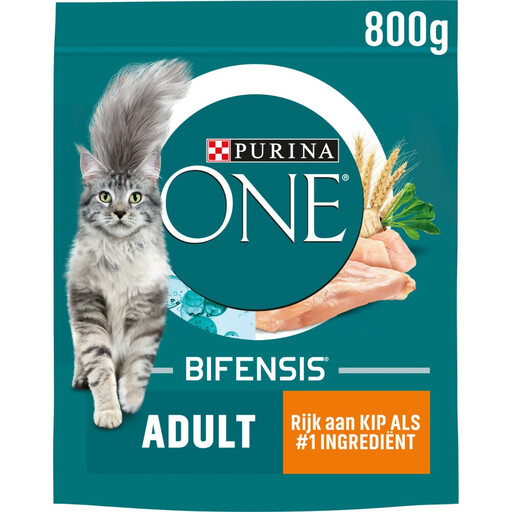
Why This Fits Their Persona: A practical choice for an adult cat owner looking for dry cat food with clear feeding guidelines and an 800-gram pack.
The product specification states that this is complete food for adult cats. The daily amount is linked to body weight.
Chicken as the named ingredient, 34% crude protein and explicit feeding guidance for cats weighing 2 to 8 kg.
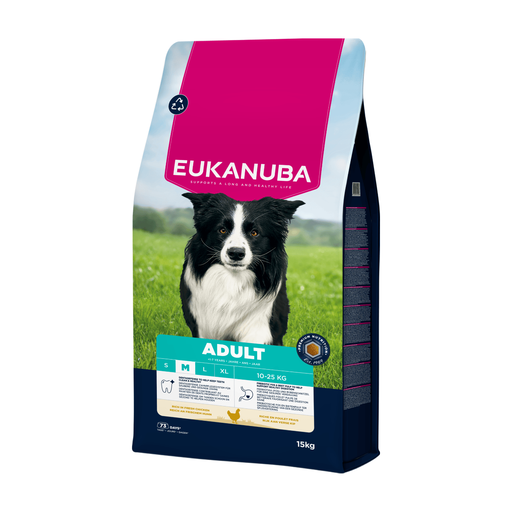
Why This Fits Their Persona: Designed for owners of medium-sized adult dogs seeking a larger bag of complete chicken-based food.
The age and size designation helps prevent you from choosing a senior or small-breed formula that is not suitable for your dog.
15 kg pack, chicken as a key ingredient and a fibre blend with FOS and beet pulp, according to the product description.
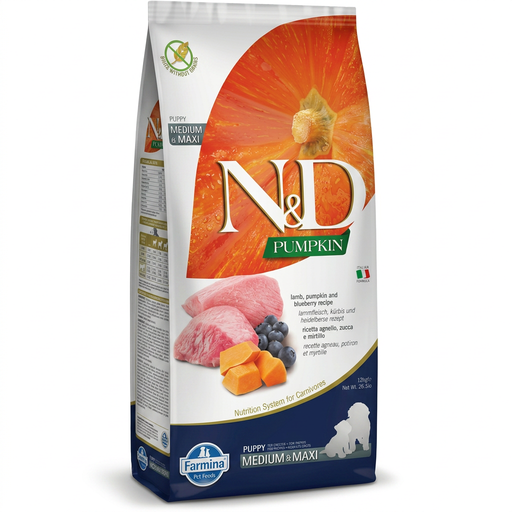
Why This Fits Their Persona: Intended for medium and large-breed puppies, for whom age and growth are key factors in choosing food.
The product name and legal designation explicitly mention puppies and the size category. The packaging provides guidelines by weight.
Lamb-based recipe, pumpkin and a gradual seven-day transition according to the feeding instructions.
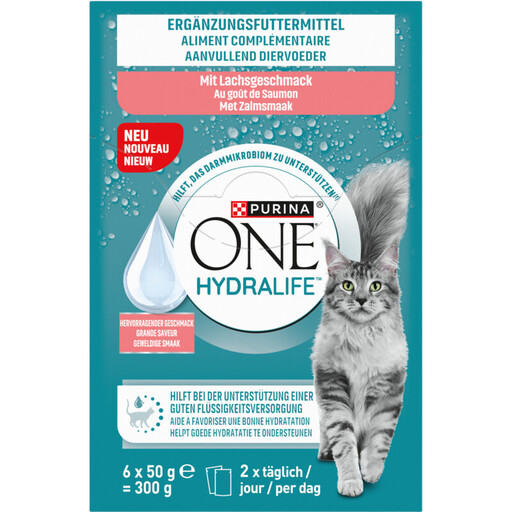
Why This Fits Their Persona: A complementary wet food option for adult cats that drink little or prefer moist food.
The packaging states that this is complementary food. This helps prevent you from accidentally using the product as a complete staple meal.
Salmon flavour, ready to serve and, according to the product information, suitable for mixing with dry food.
A sudden change can lead to reduced appetite or altered stools. Gradually mix the new product with the old food instead. A practical schedule is:
Adjust the portion according to weight, age, activity level and body condition. Treats, wet food and dental care products all count towards the total daily amount. If your pet has a specific condition, persistent gastrointestinal symptoms or urinary problems, a vet should guide the nutritional choice.
Use this concise checklist when comparing products:
For additional care products, such as dental treats for dogs, checking the size category is essential. According to the product information, Pedigree Dentastix Small Dogs is intended for dogs weighing 5–10 kg, from four months of age, with a recommended quantity of one stick per day. Supervise your dog while giving the treat and ensure fresh drinking water is available.
Browse a current selection of pet products and compare food and care products by animal species, life stage, size and intended use.
Dry cat food contains little moisture and is easy to portion and store. Cat wet food generally contains more moisture and can be appealing to cats that drink very little. Always check whether the wet food is complete or complementary. You can combine both, but adjust the overall portion accordingly.
Choose puppy food that is clearly intended for your dog’s age and expected adult size. Puppy food for medium or large breeds may have a different nutritional balance and kibble size from food for small breeds. Follow the feeding table on the packaging and switch foods gradually.
This varies by product. Store dry food in a cool, dry place in a tightly sealed container. Store opened wet food according to the label, usually in an airtight container in the refrigerator, and use it as soon as possible. The best-before date, batch code and storage instructions on the packaging take precedence.
