
Vandaag of morgen in huis

Kwaliteit gegarandeerd

Welkomstaanbiedingen ontgrendelen: GRATIS bezorging | Tot 80% korting | Gratis 30 dagen JoyPlus-proefperiode
Download de app
Dog and cat food packaging is often covered in terms such as “natural”, “premium”, “grain-free” and “with chicken”. These sound clear, but they do not always tell you whether a product is suitable for your pet. For example, a small dog has different kibble-size and energy requirements from a large dog. Cat food for adult cats is also not automatically suitable for a puppy or senior dog.
The right choice therefore starts not with the most attractive packaging, but with the animal species, life stage, ingredients and feeding quantity.
“With salmon” or “with chicken” does not necessarily mean that this ingredient is the main component. Check the ingredients list and look at the percentages. For example, Felix Double the Tasty Beef and Chicken 800g states that beef and chicken each make up 2% of certain kibbles. The product name therefore indicates a flavour, not a high meat content.
You should also compare claims such as “rich in animal proteins” with the analytical constituents. A product containing 38% crude protein, such as some Orijen varieties, has a different nutritional composition from a kibble containing 15% crude protein, such as Purina Beneful Adult Dog Food Beef & Garden Vegetable Formula.
Grain-free dog food may suit a specific preference or dietary choice, but being “grain-free” does not automatically make a product better or necessary for every dog. Check which ingredients replace grains, such as peas, chickpeas or sweet potato, and make sure the food is labelled as complete pet food.
If you suspect a food intolerance, experimenting on your own is not always advisable. Discuss a tailored feeding plan with your vet, particularly if symptoms persist.
A large bag is not always better value if your pet is eating energy-dense food and therefore needs less of it. Compare the guidelines by body weight, rather than looking only at the price per pack. You should also change food gradually. Manufacturers such as Orijen and Purina recommend making the switch over several days to help prevent digestive problems caused by a sudden change.
Choose dog food for the right life stage:
A product for all life stages is not automatically ideal for every individual dog. Check the instructions on the packaging and adjust the quantity according to activity level, weight and body condition.
For cats, cat food for adult cats is intended for cats from the age stated on the packaging. Dry cat food is easy to portion and store. Wet cat food generally contains more moisture and can be used as a complete meal or as part of a mixed feeding routine, depending on the product information.
Look for the label complete pet food if you want to serve the product as your pet’s main daily meal. “Complementary” means that the product is not intended to meet all nutritional needs on its own.
This is particularly important with wet food. G’woon Chunks in Jelly With Chicken Adult Dog 415g is described as complete wet food for adult dogs. Bonzo meal pouches are also labelled as complete food for adult dogs and can be served on their own or together with dry food, according to the product information.
At a minimum, compare:
A recipe containing chicken, lamb or salmon may sound appealing, but always check the full ingredients list. For example, the protein base of Eukanuba Life Care Dog Adult Small/Medium Lamb & Rice does not consist solely of lamb; chicken is also listed as an additional protein source.
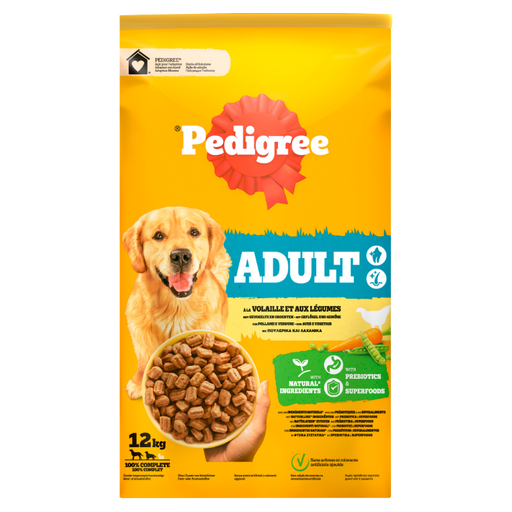
Why it suits this profile: A large pack of dry food for owners looking for a simple daily diet for an adult dog.
The product description clearly states that this is complete food for adult dogs. However, check the portion guide and current label information yourself.
12 kg pack; dry food; intended for adult dogs. The description mentions specially shaped kibble.
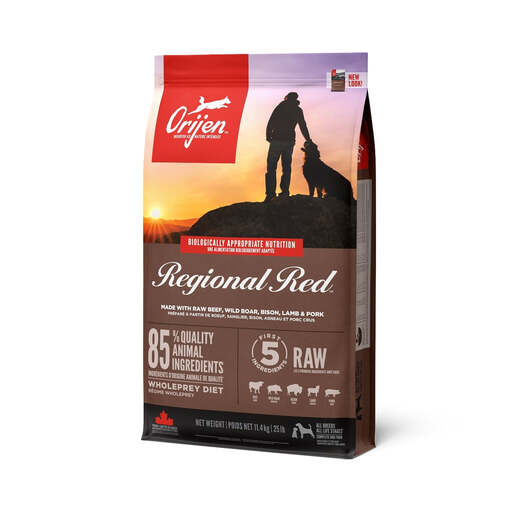
Why it suits this profile: For owners who want to compare a detailed ingredients list and a high crude protein content.
The ingredients and analytical constituents are listed in detail. This makes comparison more concrete than relying solely on terms such as premium dog food.
11.4 kg; 38% crude protein; red meat, organs and fish in the composition; a gradual transition is recommended.
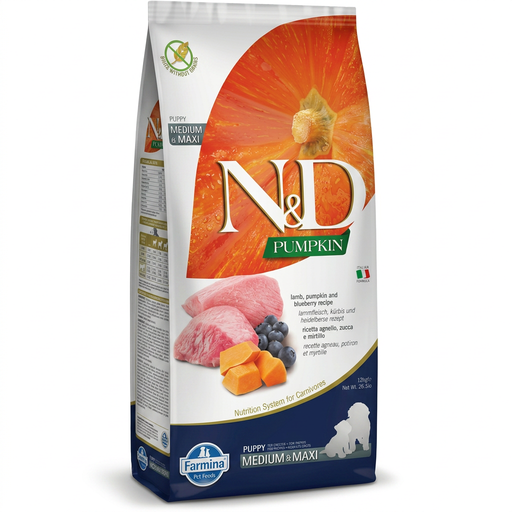
Why it suits this profile: Designed for owners of medium and large puppies looking for grain-free puppy food containing lamb.
The age and size category are clearly specified. This makes it less likely that you will confuse adult dog food with food designed for growth.
12 kg; lamb as the stated protein source; grain-free composition; feeding guidelines for puppies based on weight.
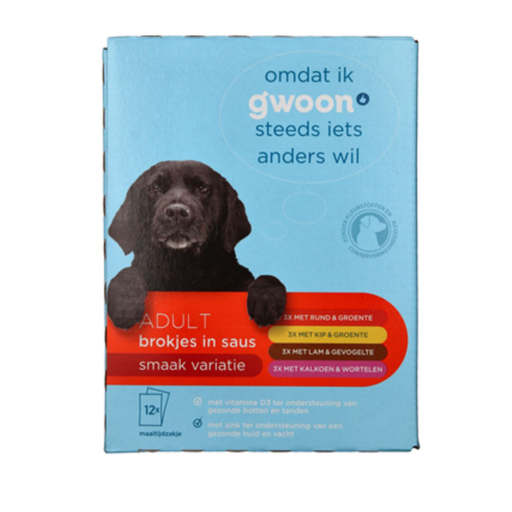
Why it suits this profile: Handy for adult cats that are fed wet food in individual portions, at home or on the go.
The multipack contains 12 portions and is described as complete wet food for adult cats. Check the flavour variant and ingredients before buying.
12 individual pouches; varieties with chicken, beef and salmon; suitable for adult cats; wet texture in jelly.
Use this quick checklist before ordering dog and cat food:
For older small dogs, Eukanuba Life Care dog senior small chicken 3kg may be worth considering. For medium-sized adult dogs, there are varieties such as Eukanuba Life Care dog adult medium chicken 15kg. If you are looking for cat kibble, you can compare Purina One Adult Salmon - Whole Grains - 800 g with wet multipacks. Suitability always depends on your pet’s individual needs and the information on the packaging.
We have put together a complete, up-to-date list of products that fully meet these strict selection criteria and the applicable European safety regulations.
Dry food usually has a longer shelf life after opening and is easy to buy in larger packs. Wet food contains more moisture, but is often sold in individual portions. Compare the price per kilogram as well as the recommended daily quantity. This will give you a more realistic picture of the cost.
Store dry food in a properly sealed container and follow the best-before date on the packaging. Opened wet food should be covered and kept in the fridge. For example, g'woon Chunks in Jelly With Chicken Adult Dog 415g states that leftovers should be used within two days. Always check the specific label.
Look for a straightforward ingredients list and do not automatically opt for grain-free dog food. A recipe with lamb, salmon or another protein source may suit an individual preference, but if symptoms persist, consulting a vet is wiser than continually changing food.
