
Vandaag of morgen in huis

Kwaliteit gegarandeerd

Welkomstaanbiedingen ontgrendelen: GRATIS bezorging | Tot 80% korting | Gratis 30 dagen JoyPlus-proefperiode
Download de app
A large bag of dry food may seem like good value, but it will not always suit your dog’s age, size or activity level. With wet cat food, portion size, ingredients and the “complete” designation are also important points to check. Marketing copy often focuses on a single ingredient, while the overall daily nutritional profile is just as important.
With this practical selection guide, you can compare dog and cat food using verifiable information. This helps you avoid a poor purchase and choose more specifically for puppies, adult dogs, senior pets or pets with particular preferences.
“With chicken”, “with lamb” or “with beef” does not automatically mean that this ingredient makes up the largest part of the recipe. Check the ingredients list and look at the percentages given. For example, Pedigree Adult Small Dog states that the recipe contains, among other things, cereals, meat and animal derivatives, including at least 4% beef.
So, when choosing chicken dog food or lamb dog food, it is wise to look beyond the flavour name on the front of the pack.
Grain-free dog food may suit owners who want to avoid grains, but it is not a general guarantee of better tolerance or suitability. Grain-free recipes often contain other sources of carbohydrates, such as peas, chickpeas or sweet potato. That is why you should look at the complete recipe and nutritional values.
If your dog has recurring problems or a diagnosed food sensitivity, consult a vet before changing its diet.
Some soft snacks contain a lot of moisture and are convenient as rewards, but according to the product information they are complementary food. For example, INABA Churu Dog Multipack is intended as a treat, topper or training reward, not as a replacement for a complete meal.
With dog biscuits and snacks, you should also deduct the amount from your pet’s daily food allowance. This makes it easier to keep track of its total energy intake.
First, check whether the product is intended for a dog or cat and which age group it is suitable for. Puppy food is positioned differently from adult dog food. There are also recipes such as senior dog food for older animals, which according to the product information are tailored to a more advanced age.
The same applies to cats. Felix Premium Quality Junior is intended for kittens aged 2 to 12 months, while Felix Every Day Party Mix Selection is a complete wet food for adult cats.
A small dog may struggle with large kibble. Products for small dog food sometimes specify an adapted kibble size. According to the product description, Pedigree Adult Small Dog is intended for adult dogs weighing under 10 kg and has kibble designed for smaller breeds.
For large, active or working dogs, it is important to consider activity level as well as weight. According to the product information, BUDDY Free-range Duck Dog Food contains 80% animal ingredients and is positioned for large and active dogs. This makes the feeding guide on the packaging especially important.
Look for the designation complete and balanced pet food when the product is intended to provide your pet’s main daily meal. Also check the analytical constituents, such as protein, fat, fibre, ash and moisture.
Wet food generally has a higher moisture content than dry food. For example, Purina ONE Sensitive Adult Wet Cat Food states that it contains 78% moisture, while dry food contains much less. Always make sure your pet has access to fresh drinking water with both types.
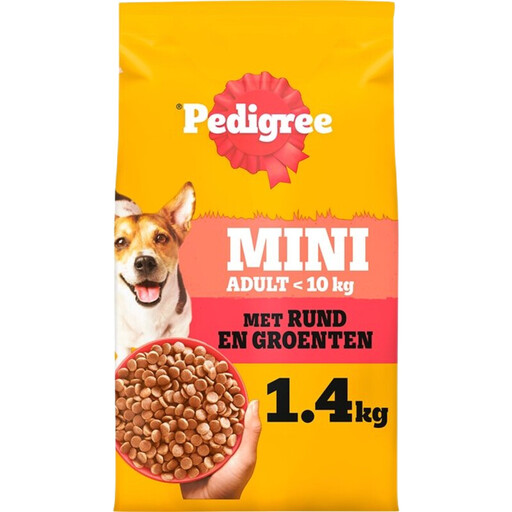
Why it suits this profile: The 1.4 kg pack is practical when you are trying a different dry food for the first time or have a small dog.
The product information gives the target group, portion guidelines for dogs weighing 1 to 10 kg, and the ingredients, including cereals and beef.
Small pack, dry food for adult small dogs and a stated protein content of 22%.
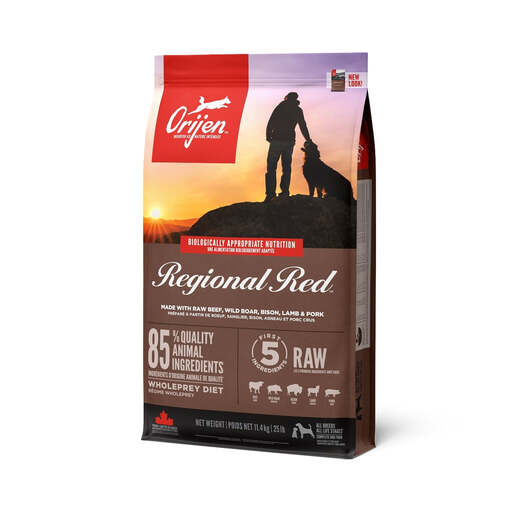
Why it suits this profile: A large pack suits households with an adult dog that eats dry food every day and owners who want to compare a detailed ingredients list.
The product page specifies several animal ingredients and analytical values, including 38% protein, 18% fat and 12% moisture.
11.4 kg pack, beef, wild boar, lamb and pork in the ingredients list, plus stated calcium and phosphorus levels.
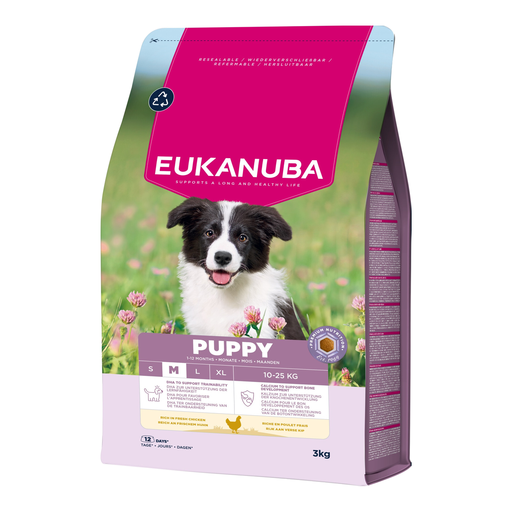
Why it suits this profile: According to the product information, this product is intended for puppies of medium-sized breeds aged 1 to 12 months.
The life stage and breed size are clearly stated. According to Eukanuba’s own product information, the recipe contains ingredients including DHA, calcium and a fibre blend.
3 kg pack, chicken as a key ingredient and a formula described as complete and balanced.
We have put together a complete, up-to-date list of products that fully meet these strict selection criteria and the applicable European safety regulations.
Dry food generally contains little moisture and is easy to portion and store. Wet food contains more moisture and is often supplied in individual pouches. With both varieties, check whether the product is complete food or complementary food. For example, according to the product information, Felix Soup Farm is complementary food for adult cats.
This varies by product. An opened bag of dry food should be sealed properly and used before the use-by date. Opened wet food should generally be covered and stored in the fridge. The INABA Churu product information advises consuming it within 24 hours of opening; other products specify a longer period. Always follow the label.
Use the feeding guide on the packaging as a starting point and take your pet’s weight, age, activity level and body condition into account. An active dog may need a different amount from a calm household dog of the same weight. If you are unsure, changing your pet’s diet or managing a specific nutritional need, consult a vet.
