
Vandaag of morgen in huis

Kwaliteit gegarandeerd

Welkomstaanbiedingen ontgrendelen: GRATIS bezorging | Tot 80% korting | Gratis 30 dagen JoyPlus-proefperiode
Download de app
A bag of dog biscuits or a multipack of cat food might seem simple enough to choose. Yet many pet owners end up paying too much for a product that doesn’t properly match their animal’s age, body size or nutritional needs. When it comes to dog and cat food, there are three main pitfalls to watch out for:
Start with the basics: is the product intended for a dog or a cat, and for which life stage? For dogs, look for labels such as puppy food, adult dog food or food for small, medium or large breeds. For cats, relevant categories include kitten food, adult cat food and food for neutered cats.
Energy needs vary from one animal to another. A small, active dog doesn’t automatically need the same portion as a large dog. Follow the feeding guide on the packaging and adjust the amount according to activity level, age and body condition.
Complete and balanced pet food is designed as a daily main meal. Wet food can be complete, but that isn’t true for every pouch, snack or supplementary meal. The legal product description should be stated on the packaging.
A product like Pedigree Jumbone Mini, for example, is a complementary pet food for adult dogs. It can be given as a reward, but it doesn’t replace a full meal. What’s more, give treats in moderation and deduct them from the daily food allowance.
Look at the ingredients list rather than just the front of the packaging. For dry dog food and dry cat food, the protein source, fat content and amount of fibre all play a role. With wet dog food and wet cat food, the moisture content is usually much higher; that can be handy for animals that don’t drink much, without this in itself proving any medical benefit.
Also pay attention to claims such as grain-free dog food. Grain-free doesn’t automatically mean the product is suitable for every dog. Check which alternative carbohydrate sources have been added, such as peas, chickpeas or sweet potato. If your pet has a known allergy or persistent symptoms, it’s wise to consult a vet.
Brands may claim additional benefits. For instance, Purina states on Purina One Sensitive that, according to its own research, faecal odour can decrease by 24% after fourteen days. This is a brand claim and not a guarantee for every animal.
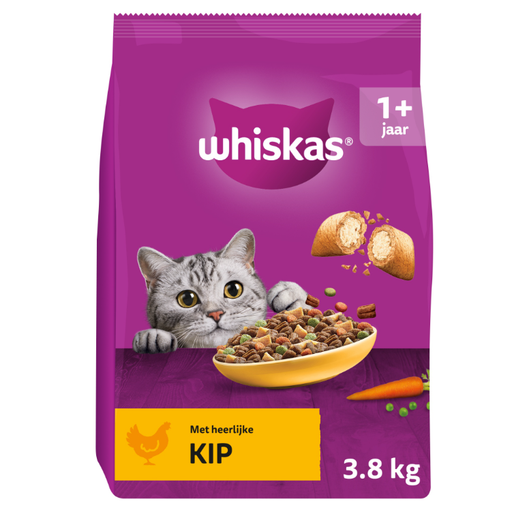
Why this fits the profile: The 3.8 kg pack is practical for an adult cat that gets dry food every day, and offers a straightforward starting point without having to buy several varieties at once.
The product is labelled as complete food for cats from 1 year old. Check the portion guide and don’t rely solely on the flavour name.
Dry food in a larger pack; according to the product information it contains taurine, vitamin E and fibre.
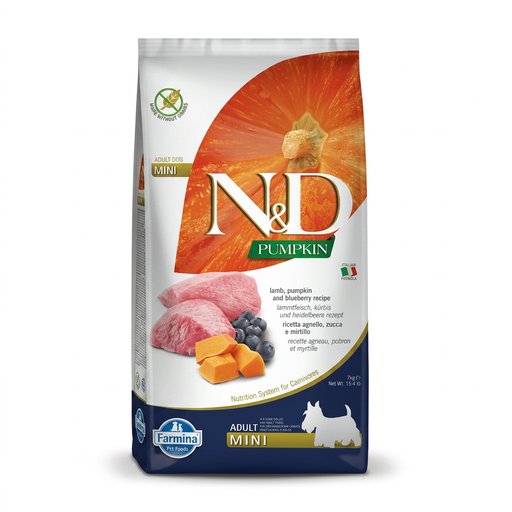
Why this fits the profile: This food is aimed at small dogs weighing roughly 4 to 14 kg and, according to the ingredients, contains 22% fresh lamb and 20% dehydrated lamb.
The ingredients and percentages are clearly stated. This means you can verify the lamb claim rather than just judging the front of the bag.
Grain-free recipe; with 5% dehydrated pumpkin and a feeding guide based on body weight.
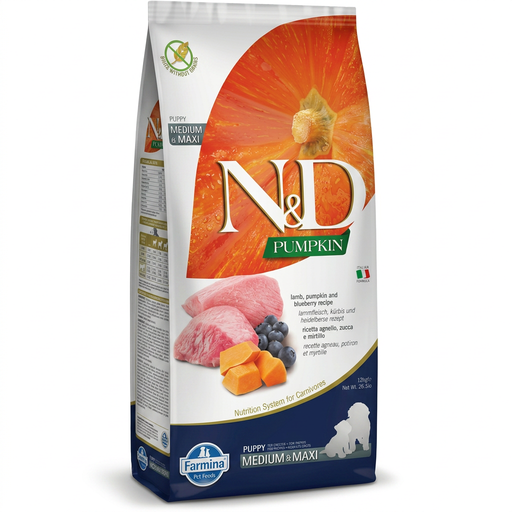
Why this fits the profile: A targeted choice for puppies of medium and large breeds. The pack includes a feeding schedule for weights from 5 to 35 kg.
The legal product name states complete food for puppies of medium and large breeds. This prevents adult dog food from being accidentally bought for growing dogs.
Grain-free composition; according to the product information, 96% of the protein comes from animal sources.
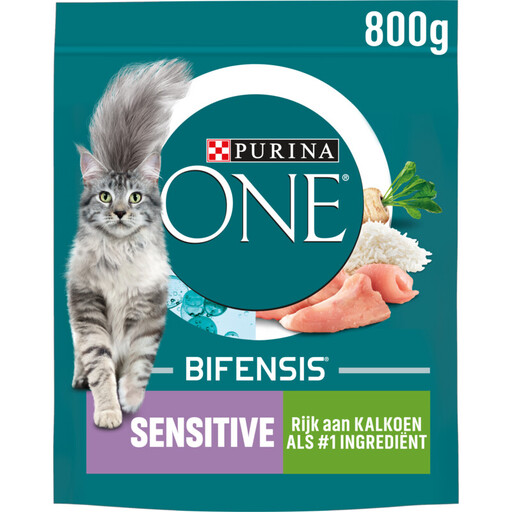
Why this fits the profile: The recipe is designed for adult cats with a sensitive digestion and contains turkey as the first ingredient, according to the product information.
The packaging states that it contains no added wheat. However, always check the full ingredients list if your cat has a confirmed allergy.
Complete food for adult cats; turkey and rice are clearly included in the product variant.
We’ve put together a full, up-to-date list of products that fully meet these strict selection criteria and comply with current European safety regulations.
Both types can be suitable when they are labelled as complete pet food. Dry food is easy to store and portion. Wet food contains more moisture and many animals find it appealing. The choice depends on preference, portion control, budget and your dog or cat’s individual needs.
That varies by product and storage conditions. Seal the bag well, keep it cool and dry, and follow the instructions on the packaging. A smaller bag can be a wiser choice if you have a small dog or if the food is used up slowly.
The monthly cost depends on the species, weight, daily portion, product type and pack size. Calculate the price per kilo and multiply it by the recommended daily amount. Treats, special diets and wet food can increase the total. Also bear in mind that a larger pack is only good value if the food is used within the recommended storage period.
