
Vandaag of morgen in huis

Kwaliteit gegarandeerd

Welkomstaanbiedingen ontgrendelen: GRATIS bezorging | Tot 80% korting | Gratis 30 dagen JoyPlus-proefperiode
Download de app
The packaging of dog and cat food often makes ambitious promises: natural ingredients, extra protein, a glossy coat or digestive support. Yet an eye-catching front label does not always reveal enough about the product’s everyday nutritional value. Anyone who focuses solely on flavour, brand name or the word “premium” may end up paying unnecessarily much—or choosing food that does not suit their pet’s age, size or activity level.
In this buying guide, the Joybuy Product Recommendation Officer explains the most important points to check. You will also find practical product recommendations for puppies, adult dogs, senior pets, cats and households that need larger packs.
“With chicken”, “with beef” or “with fish” may sound clear, but the legal product description and ingredients list are more important. For example, Felix Double the Tasty Beef and Chicken states that beef and chicken each account for 2% of certain kibbles. The product description therefore uses the wording “flavoured with” rather than “rich in”.
Always check:
Grain-free dog food may suit a specific dietary preference, but it is not a general guarantee of a better meal. Grain-free recipes often contain alternative carbohydrate sources, such as peas, lentils or sweet potato. If you suspect a food sensitivity, compare the ingredients first and consult a vet if symptoms persist.
The same applies to dog food for sensitive dogs: look beyond the front of the bag. A lamb recipe may also contain chicken, for example. Eukanuba Life Care Adult Small/Medium Lamb & Rice lists chicken alongside lamb as a protein source.
A 12 or 15 kg bag can reduce the price per kilo, but only if you use the food within the recommended shelf life and can store it correctly. For a small dog or cat, a smaller pack may be more practical. Keep dry food sealed in a cool, dry place. Once opened, wet food should be refrigerated and used within the timeframe stated on the packaging.
Puppy food, adult dog food and senior dog food have different nutritional goals. Pay attention to the legal product designation:
One example is Eukanuba Life Care Dog Puppy Medium Chicken 3 kg. According to the product description, this food is intended for puppies of medium-sized breeds from 1 to 12 months. The packaging lists DHA, calcium and a fibre blend, among other features. Follow the feeding guide on the label and adjust the portion according to growth and body condition.
A long ingredients list is not, on its own, proof of quality. Also compare crude protein, crude fat, crude fibre, crude ash and moisture content. Keep in mind the difference between dry and wet food: wet food contains much more moisture, which can make the protein percentage on the label appear lower.
Acana Classics Series Grasslands Poultry Dog Food 14.5 kg, for example, lists 27% crude protein, 16% crude fat, 5% crude fibre and 12% moisture. According to the product description, the recipe contains chicken, turkey, oats, vegetables and added probiotic cultures. The manufacturer also lists 300 mg/kg of glucosamine; present this as a product specification, not as a medical benefit.
The daily amount depends on weight, age, activity level and body condition. An energy-dense recipe may require a smaller portion than a formula with a lower energy density. Ideally, weigh each portion rather than relying solely on a measuring cup.
When introducing a new food, transition gradually—usually over 7 to 10 days. This helps reduce the risk of temporary digestive upset. Always provide plenty of fresh drinking water with dry food. For cats, combining dry cat food and wet cat food can be practical, provided the total quantity and nutritional balance remain appropriate.
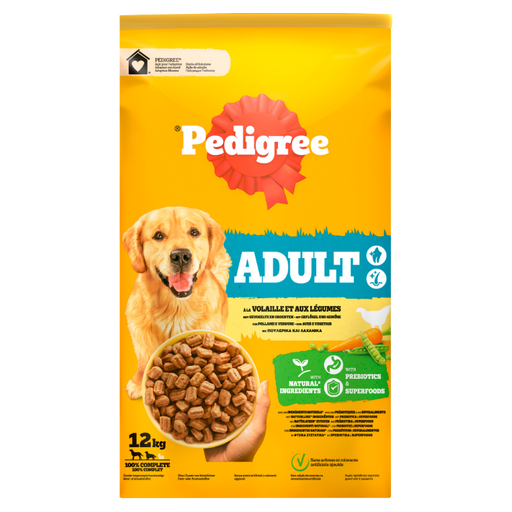
Why it’s a good fit: A large pack for adult dogs and households that buy dry food regularly.
The product description identifies it as a complete dry meal for adult dogs. Check the current packaging for the exact formulation.
12 kg of dry food; the product description mentions fibre, vitamin E and zinc as added components.
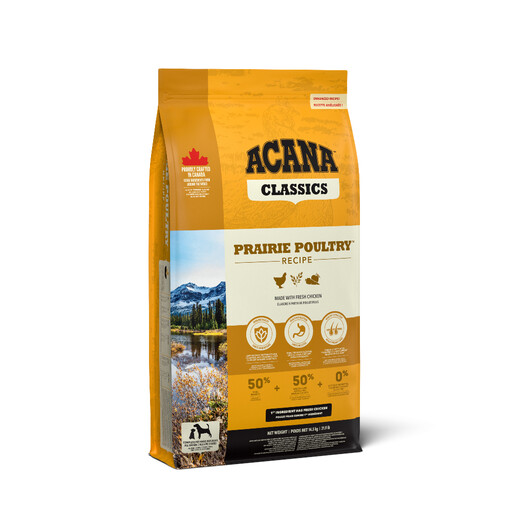
Why it’s a good fit: For pet owners who want to assess ingredients, analytical values and a larger supply side by side.
The product page shows percentages and analytical values, allowing you to verify marketing claims against concrete data.
27% crude protein, 16% crude fat, 12% moisture and oats as the listed grain source.
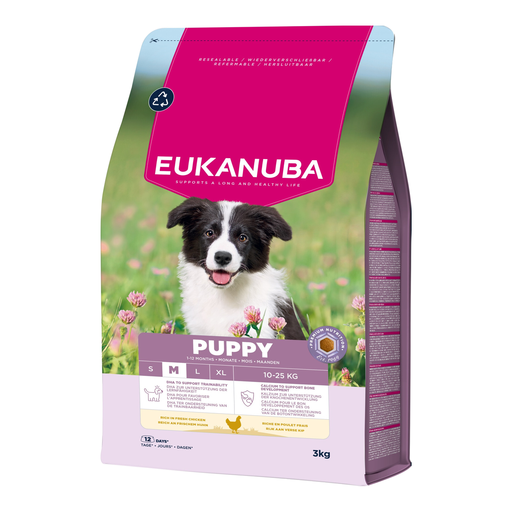
Why it’s a good fit: Designed for medium-sized puppies, for whom age and size are important selection criteria.
The product description explicitly states the age range of 1 to 12 months and identifies medium-sized breeds as the target group.
3 kg pack; the manufacturer lists DHA, calcium and a fibre blend with prebiotics.
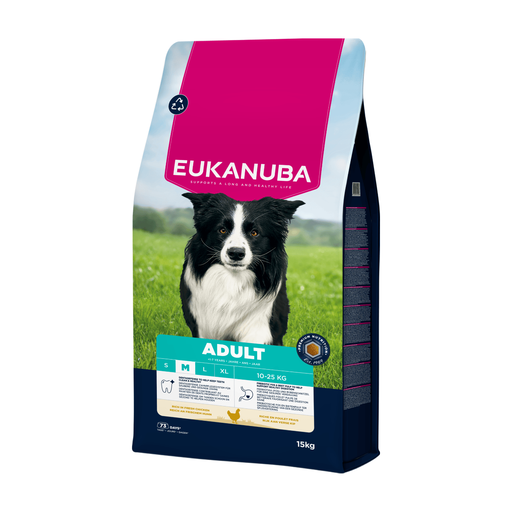
Why it’s a good fit: A large format for medium-sized adult dogs and regular daily feeding routines.
The product description specifies medium-sized adult dogs rather than making one broad claim for every dog.
15 kg pack; with chicken, L-carnitine and a fibre blend according to the product description.
Browse a current selection of nutrient-rich pet food and compare types, pack sizes and life stages.
Dry dog food is easy to portion and convenient to store. Examples include Pedigree, Acana and Eukanuba. Wet dog food, such as Bonzo or RENO, generally contains more moisture and can be served on its own or combined with kibble. When combining products, check that both are complete foods and reduce the overall portion to prevent overfeeding.
The same distinction applies to dry cat food and wet cat food. Purina One Adult Salmon is a dry food for adult cats aged 1 year and over. G’woon Adult Chunks in Jelly is wet food in portion sachets for adult cats. The stated moisture content and portion size make wet food practical for individual meals, but always follow the label guidance.
This means that, according to the product designation, the food is intended to provide complete daily nutrition for the stated species and life stage. Always check whether it is suitable for puppies, adult animals or senior pets. Complementary food is not intended to be fed as a complete meal without other food.
That depends on the product and its packaging. Seal the bag securely, store it in a cool, dry place and follow the shelf-life information on the label. Do not buy a larger pack than your pet can reasonably use within the recommended period.
Not automatically. Compare the price per kilo, analytical values, life stage and ingredients. A more expensive formula may offer a specific nutritional profile or larger format, but it still needs to suit your pet. If feeding problems persist, advice from a vet is more appropriate than simply switching to a more expensive brand.
