
Vandaag of morgen in huis

Kwaliteit gegarandeerd

Welkomstaanbiedingen ontgrendelen: GRATIS bezorging | Tot 80% korting | Gratis 30 dagen JoyPlus-proefperiode
Download de app
A bag of dry food or a box of wet food can seem like an easy choice. Yet dog and cat owners in the Netherlands regularly pay for products that aren’t well suited to their pet’s age, size or daily activity level. When choosing dog or cat food, there are three common pitfalls to watch out for:
Start with the basics: is the product for a dog or a cat, and what age is it intended for? Adult dog food is for adult dogs. Puppy food has a different nutritional composition and is formulated for growth. There are also varieties for older dogs from a certain age, such as senior dog food or food for mature dogs.
The same applies to cats. For example, choose cat food for adult cats when that’s the intended life stage stated on the label. Food for adult animals isn’t automatically suitable for kittens, pregnant animals or cats with specific dietary needs.
Also consider your pet’s size. Dog food for small breeds often has smaller kibble. For example, Pedigree Adult Small Dog states that its kibble size is suited to adult dogs weighing under 10 kg. That’s a product specification you can check, not a general guarantee that it’s right for every small dog.
A product labelled as complete and balanced pet food is intended to be fed as a daily diet, following the instructions on the pack. Check that this statement really appears on the product label. Some treats, complementary foods and meal mixers aren’t intended to be fed as a complete meal.
The recommended amount is only a starting point. Adjust the portion according to:
For example, Felix Seaside Sensations gives separate feeding amounts for cats eating dry food alone and for those having it alongside a pouch of wet food. So when combining foods, you need to do the sums rather than serve both full portions.
Dry dog food and dry cat food are easy to portion and store. Seal the bag properly after each use and keep it somewhere cool and dry. Wet dog food and wet cat food usually have a high moisture content and are often sold in pouches or tins. Once opened, any remaining food should be refrigerated and used within the stated time, according to the label.
Look out for the difference between a marketing claim and a product specification. According to Eukanuba’s own information, its Grain Free varieties contain alternative sources of carbohydrates, such as peas and gluten-free sweet potato. That may make them worth considering if you’re looking for grain-free dog food, but speak to your vet about an elimination diet or a suspected allergy.
The flavour should also suit your pet. The range includes dog food with chicken, lamb or beef, as well as cat food with fish. If your pet has sensitivities, always check the full ingredients list: a flavour name doesn’t necessarily tell you which other animal ingredients are in the product.
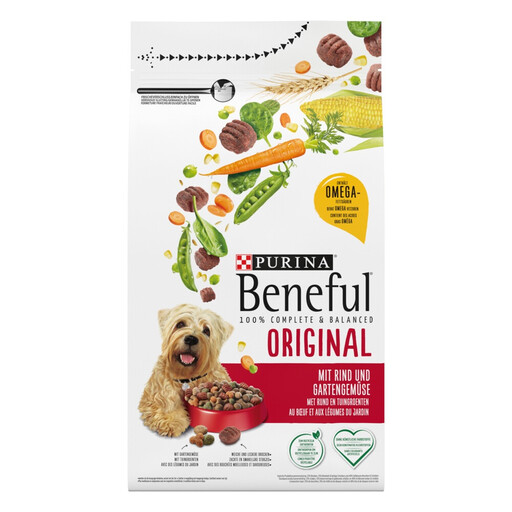
Why it suits this profile: A handy 1.4 kg bag for adult dogs of different weights. The packaging gives daily feeding amounts for several weight categories.
The ingredients and feeding advice are listed, so you don’t have to rely on the beef and vegetable flavour name alone. Portions can be adjusted to suit your dog’s activity and body condition.
Dry food; listed as suitable for adult dogs of all weights; contains wholegrains and provides 15% protein and 8% fat.
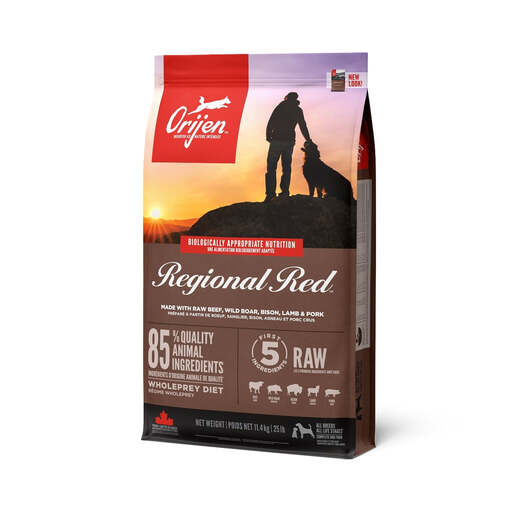
Why it suits this profile: For households looking for a large pack and a detailed ingredients list for an adult dog.
The product information lists specific ingredients and analytical values. This lets you compare the food by its composition rather than relying on terms such as “natural”.
11.4 kg pack; listed analysis of 38% crude protein, 18% crude fat and 12% moisture; the ingredients list includes beef, wild boar, bison, lamb and pork.
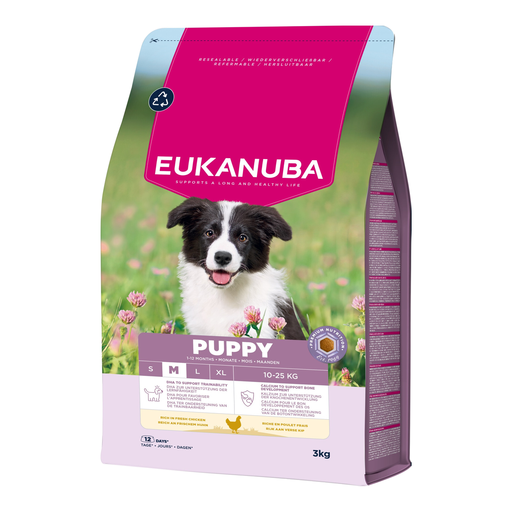
Why it suits this profile: For owners of medium-breed puppies aged 1 to 12 months who are looking for food suited to their pet’s age and size.
The intended age group is clearly stated. This helps you avoid choosing adult dog food for a pet that’s still growing.
3 kg pack; chicken is the listed protein source; the product description mentions DHA, calcium and a fibre mix with prebiotics.
We’ve put together a complete, up-to-date list of products that meet these strict selection criteria and the applicable European safety regulations.
It depends on the portion size, packaging and moisture content. Dry food is often easy to store and measure by the gram. Wet food comes in pouches or tins and can be convenient for meals with set portions. Compare the price per kilogram, not just the price per pack.
Keep dry food sealed in a cool, dry place and follow the best-before date on the packaging. Opened wet food should generally be kept in the fridge. The exact time varies by product: Felix, for example, advises using its food within 24 hours of opening, while some dog foods specify 48 hours. Always follow the label.
A gradual change is usually more practical than switching suddenly. Gradually mix in a larger proportion of the new food with the old, and keep an eye on your pet’s appetite and stools. If symptoms persist, or your pet has allergies or a specific health condition, it’s best to consult your vet.
