
Vandaag of morgen in huis

Kwaliteit gegarandeerd

Welkomstaanbiedingen ontgrendelen: GRATIS bezorging | Tot 80% korting | Gratis 30 dagen JoyPlus-proefperiode
Download de app
Choosing the right food for your dog or cat might seem straightforward – until you start comparing labels, portion sizes and marketing claims side by side. A large bag of dry dog food can look good value per portion, while a small pouch of treats can work out relatively expensive. Terms like “natural”, “premium” or “grain-free dog food” don’t, on their own, tell you whether a product is right for your pet.
As a Joybuy Product Recommendation Officer, I start by looking at verifiable information: the species, life stage, ingredients, analytical constituents, nutritional status and feeding instructions.
Not every product containing meat or fish is complete and balanced food. Many lickable treats, broths and soft snacks are complementary pet foods. They are intended as a reward, topper or extra, and do not replace a daily meal.
Check the packaging to see whether it says “complete pet food” or “complementary pet food”. This distinction matters for dog biscuits, dog treats, cat treats and cat broth.
According to a brand’s own research, a formula might, for example, contribute to a particular nutritional goal. That is not a personal guarantee for every animal. Claims about digestion, teeth, coat, weight or hydration should therefore be checked against the ingredients list and nutritional values.
A product without added colourings, flavourings or preservatives may be a preference, but it does not automatically mean it is suitable for every dog or cat.
Compare the price per kilogram or per meal. An 800-gram pack is handy for trying something first, while an 11.4 or 15-kilogram bag can be more cost-effective for a large breed or multiple pets. Also pay attention to the recommended daily amount, as this varies by weight, age and activity level.
Start with the basics:
A formula for adult cats from one year old, such as Purina ONE Adult, should not automatically be given to a kitten. If your pet has a known condition or a significant change in health, it is wise to consult a vet.
Look at the legal product description. A complete pet food is intended to be given as daily nutrition according to the feeding guide. A complementary product should be used in smaller amounts.
Examples:
The analysis on the label helps you compare products more objectively. Look at crude protein, fat, crude fibre, crude ash and moisture. A high moisture content does not automatically mean a product is complete. It can, however, be relevant when comparing wet food, broth and dry food side by side.
With dry food, the moisture content is usually lower and it is important to weigh the portion. With wet food and broth, you are partly paying for water, but portion pouches can be practical for measuring and storage.
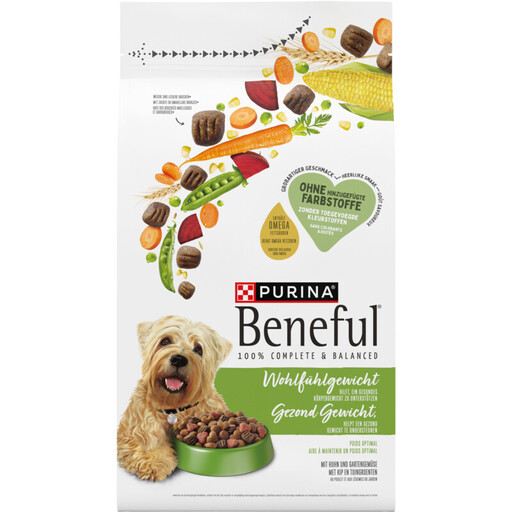
Why this fits the profile: A straightforward 1.4 kg bag for adult dogs. The product description states 20% less fat than the original Beneful formula.
The target animal and portion information are clearly stated. Compare the daily amount with your dog’s weight and activity level.
Dry food for adult dogs, 1.4 kg pack and instructions to adjust the portion according to body condition.
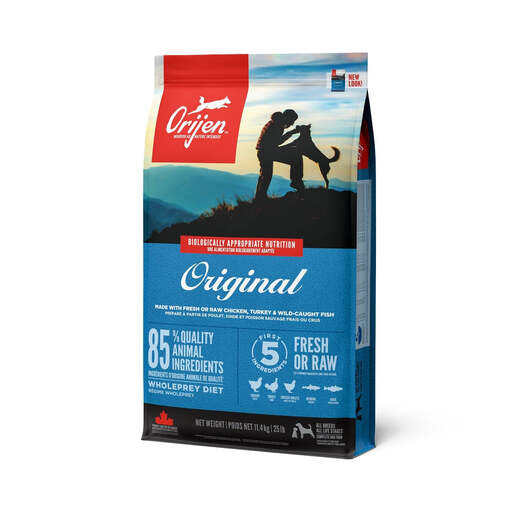
Why this fits the profile: For owners who want to compare a detailed ingredients list and a high stated protein content.
The packaging states 38% crude protein, 18% fat and 12% moisture. This allows you to check the claim against concrete analytical values.
Complete food for dogs in all life stages according to the product information; grain-free and available in a large bag.
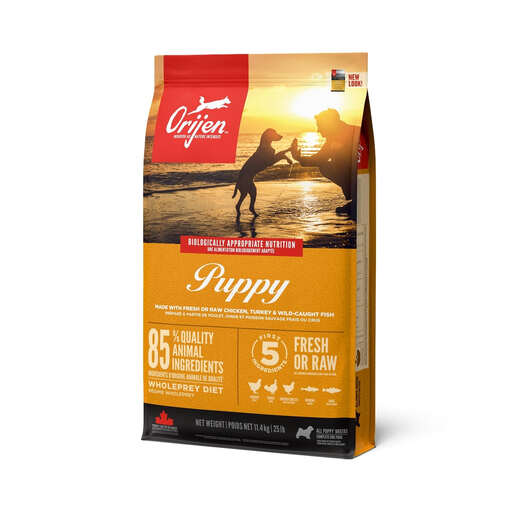
Why this fits the profile: Designed for puppies of different breeds, with feeding advice by age, weight and breed size.
The product information recommends a gradual transition over 7–10 days and multiple meals per day for young puppies.
11.4 kg dry food, 38% stated crude protein and a grain-free recipe according to the product description.
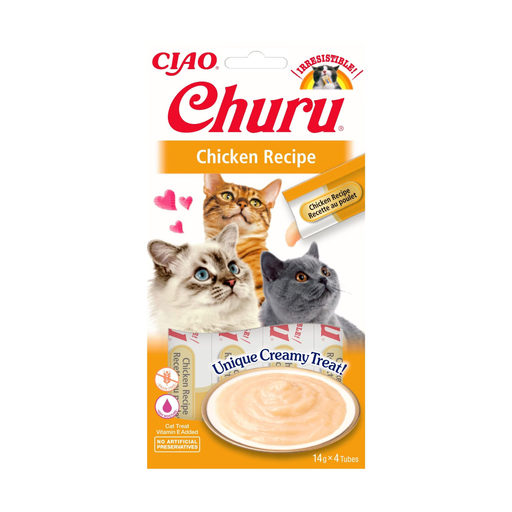
Why this fits the profile: A complementary cat treat product for interactive feeding, as a topper or as a reward.
The product information clearly states that this is not a replacement for complete cat food and recommends 1–2 sticks per day for adult cats.
90.5% stated moisture and 6 calories per treat according to the product information; refrigerate after opening and use within 24 hours.
We have put together a full, up-to-date list of products that fully meet these strict selection criteria and comply with current European safety regulations.
That depends on the portion, moisture content and energy density. Dry food is often easier to store and measure per kilogram. Wet food contains more moisture and is often supplied in portions. So compare the daily cost, not just the weight of the pack.
Always follow the label. The product information for several soft INABA products states that after opening you should keep them sealed in the fridge and use within 24 hours. For dry food, the general rule is: store in a cool, dry place and keep well sealed. The exact shelf life is on the packaging.
Yes, as a supplement within the total daily amount, but the portion should be limited. Check whether it is a complementary food and adjust the main meal if necessary. If you are unsure about weight, allergies or a medical condition, follow your vet’s feeding advice.
