
Vandaag of morgen in huis

Kwaliteit gegarandeerd

Welkomstaanbiedingen ontgrendelen: GRATIS bezorging | Tot 80% korting | Gratis 30 dagen JoyPlus-proefperiode
Download de app
Whether you're heading to the vet, planning a weekend getaway, or taking your dog in the car, a good travel carrier is essential. The market is flooded with options, from simple tote bags to advanced transport crates. But many products overpromise and underdeliver. As a Joybuy Product Recommendation Officer, I see where things go wrong every day. Before you make a choice, it's crucial to know the common pitfalls that lead to buyer's remorse.
Many owners fall for clever marketing or choose based on looks alone, resulting in an unsafe or impractical carrier. These are the three most common mistakes:
A smart purchase starts with recognizing these problems and focusing on the specifications that truly matter.
To avoid a bad purchase, it's wise to look beyond the product photos. Pay attention to the following three key points that determine whether a travel carrier is worth its price.
The choice between a hard or soft carrier depends on your intended use.
Safety and comfort go hand in hand. Good air circulation is crucial to prevent overheating.
Size is everything. Your dog must be able to stand comfortably, turn around, and lie down. Measure your dog:
Add about 10 cm (4 inches) to both measurements to determine the minimum internal dimensions of the carrier.
Planning to fly? Always check the specific requirements of the airline. An airline-approved dog carrier must meet strict dimensions for in-cabin travel and specific IATA guidelines for checked baggage.
Not every carrier is suitable for every situation. Below are some highlighted options, linked to the specific needs of pet owners.
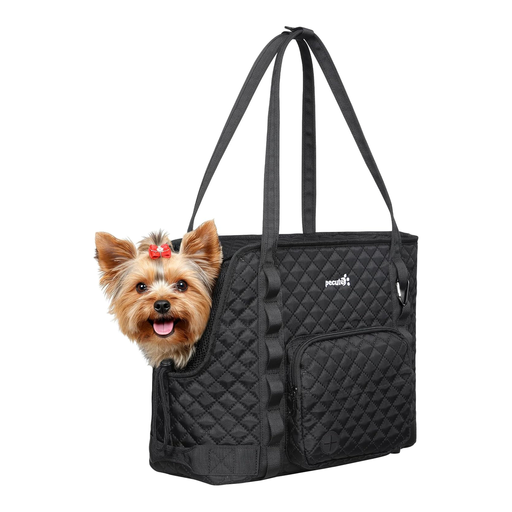
Why This Fits Their Persona: Ideal for owners who take their small dog (up to 5 kg) on quick trips to the city, the vet, or to visit friends. The design is stylish and functional, making it look more like a handbag than a bulky carrier.
This bag tackles the pitfalls of 'weak material' and 'impractical design'. The removable hard base plate prevents sagging, the internal safety tether ensures security, and the two storage pockets make extra bags unnecessary.
Lightweight design (only 0.7 kg) and a convenient strap on the back to slide the bag over a trolley handle.
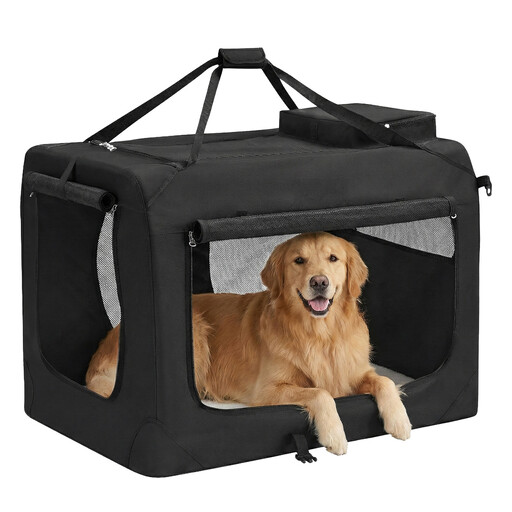
Why This Fits Their Persona: For owners of large breeds like Labradors or Shepherds who need a secure space in the car, at a campsite, or in a hotel. This is a practical replacement for a heavy, metal crate.
This foldable dog crate solves the 'impractical design' pitfall: it folds flat to a thickness of 8 cm. The sturdy steel frame and mesh windows on multiple sides tackle the problems of weak materials and poor ventilation.
Combines the space and sturdiness of a crate with the light weight and foldability of a travel bag. Includes a washable mat and storage pockets.
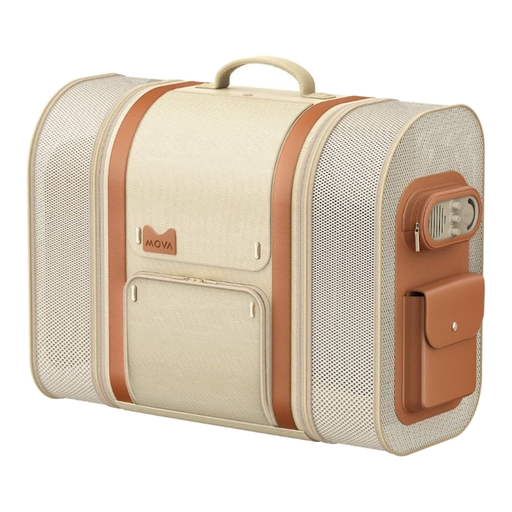
Why This Fits Their Persona: Perfect for city-dwelling owners who take their small dog or cat (up to 8 kg) on a bike, on public transport, or for a walk on a hot day. It offers a hands-free solution with a focus on comfort.
This model tackles the 'poor ventilation' pitfall in an advanced way. According to the manufacturer MOVA, the built-in ventilation and misting system provides active cooling, which is a major plus in warmer conditions.
Unique cooling system with a fan and mist, rechargeable via USB-C. The side is expandable for extra space when you're stationary.
Many travel carriers are also suitable for cats. We've compiled a complete, up-to-date list of products that meet our strict selection criteria.
The rule of thumb is that your dog should be able to stand comfortably, turn around, and lie down fully stretched. Measure your dog from nose to the base of the tail (length) and from the ground to the top of the head (height). Add about 10 cm (4 inches) to both measurements. This gives you the minimum internal dimensions for a comfortable and safe dog travel carrier.
This depends entirely on your situation. A soft-sided dog carrier is light, easy to store, and often allowed in the airplane cabin. A hard-sided cat or dog crate offers superior protection, especially in the car, and is easier to clean after an accident. For long car trips or for dogs that like to chew, a hard-sided crate is often a safer choice.
Make the carrier a positive and safe space. Leave the carrier open in the living room with a favorite blanket or toy inside. Reward your dog with a treat every time it enters on its own. Start with short periods with the door closed and slowly increase the duration before you take your first real trip. Patience is essential.
