
Vandaag of morgen in huis

Kwaliteit gegarandeerd

Welkomstaanbiedingen ontgrendelen: GRATIS bezorging | Tot 80% korting | Gratis 30 dagen JoyPlus-proefperiode
Download de app
Buying a dog bed sounds simple, until you have to choose between plush donut models, orthopaedic mattresses and large beds with high sides. Soft fabric or an attractive photo says little about everyday use. Size, washability and stability are what determine whether a dog bed remains practical.
So keep an eye out for these common pitfalls:
Measure your dog from nose to the base of the tail and add some extra space. Also consider the way your pet sleeps:
Always check the exact product dimensions. A size label such as S, M or L varies from one brand to another.
A soft dog bed feels comfortable, but filling that gives too much may provide less support over time. Products containing egg-crate foam, polyester fibre or PP cotton filling each have a different feel and structure.
An orthopaedic dog bed with a supportive foam structure may be worth considering for senior dogs or dogs that prefer to lie on a firmer surface. This is a product description, not a medical guarantee. So look at:
A washable dog bed is particularly useful for puppies, dogs that spend lots of time outdoors and pets that shed hair. Pay attention to the difference between:
An anti-slip dog bed with rubber dots or anti-slip fabric will generally stay in place better on a smooth floor. In addition, place the bed on a flat, dry surface. Anti-slip material reduces movement, but does not eliminate every risk when running or jumping.
A dog bed with sides creates a clearly defined resting place and can be comfortable for dogs that like to rest their head on something. A donut dog bed has a soft bolster all the way around and suits pets that like to nestle down or curl up. A sofa-style model with a raised head cushion combines a lying area with a supportive edge.
A smaller model may also be suitable for cats. In that case, check that the dimensions suit the way your cat sleeps. A cat bed does not automatically need to be smaller if your cat likes to stretch out.
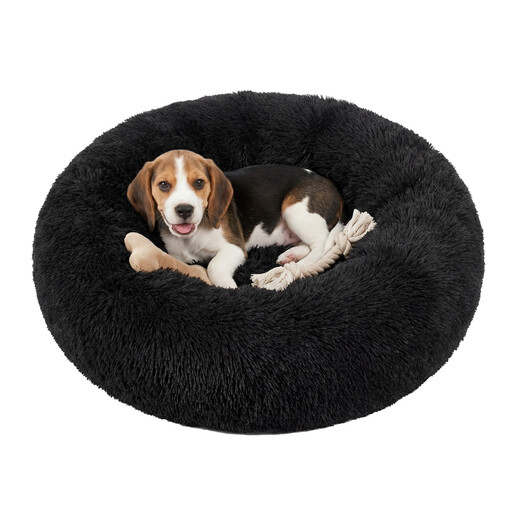
Why it suits this profile: This round model is designed for small to medium-sized dogs that like to curl up. With a diameter of 70 cm, it is a manageable choice for a first dog bed.
The centre cushion cover can be removed with a zip, while the base has rubber anti-slip dots. This makes cleaning and positioning the bed securely easier than with a non-removable model.
70 cm diameter, PP cotton filling, removable centre cushion cover and anti-slip base.

Why it suits this profile: This sofa-style bed combines plush and sherpa fabric with egg-crate foam, a raised headrest and an anti-slip layer. It suits dogs and cats that alternate between lying on their side and resting their head on an edge.
The product description specifically mentions egg-crate foam, a removable machine-washable cover and an anti-slip base. This makes the features easier to verify than a vague comfort claim.
Egg-crate foam, raised headrest, machine-washable cover and anti-slip fabric.
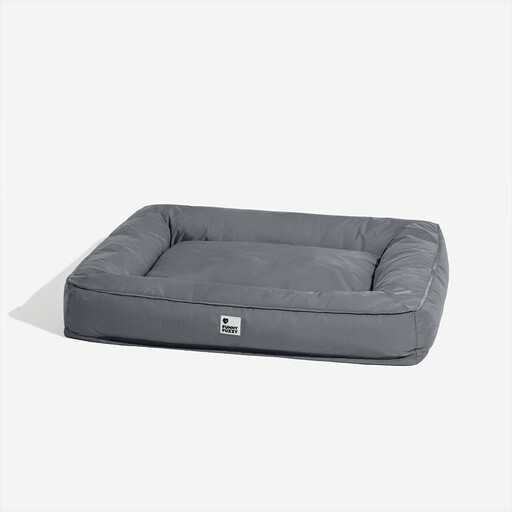
Why it suits this profile: This model is designed for large dogs and households where the bed will be used intensively. Oxford fabric, an edge running all the way around and a removable inner cushion structure are practical for everyday maintenance.
The water-repellent Oxford fabric helps when wiping away dirt. The manufacturer describes the fabric as scratch-resistant; this is a brand claim, not a guarantee against chewing or damage.
Water-repellent Oxford fabric, raised edge all the way around, polyester fibre filling and fully removable components.
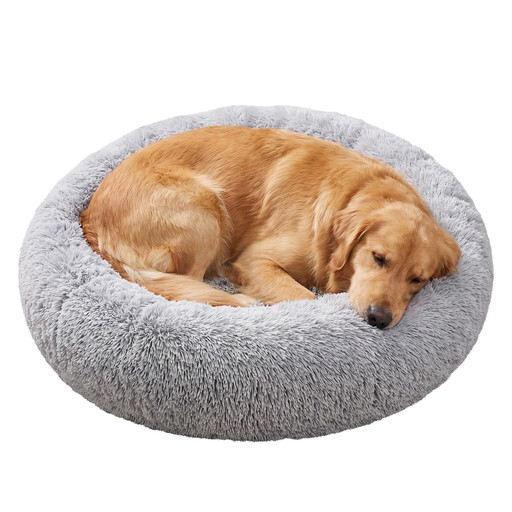
Why it suits this profile: The large, round design gives bigger dogs plenty of room to stretch out. The raised edge suits dogs that like to lean against a soft bolster while resting.
The product details state the dimensions, PP filling, removable cover and rubber anti-slip dots. This allows you to assess in advance whether the bed will fit in your home.
140 cm wide, soft plush upholstery, removable cover and anti-slip base.
We have put together a complete, up-to-date list of products that fully meet these strict selection criteria and the applicable European safety regulations.
Allow a vacuum-packed bed to regain its full volume before using it. Shake it out and follow the instructions on the label. Wash covers with a mild detergent and allow all components to dry completely before putting them back together.
Check regularly:
Do not leave a dog that likes chewing fabric unsupervised with a new bed. A dog bed is also not a crate, restraint or substitute for professional veterinary advice.
Measure your dog while lying down from nose to the base of the tail and add extra space for turning around and stretching out. Compare this measurement with the bed’s internal dimensions, not just the size label.
This depends on how it is used. Wash the cover when it is visibly dirty or starts to smell, and remove hair in between washes with a hoover or lint roller. A removable cover makes regular maintenance easier.
Lifespan varies depending on the filling, fabric, use and chewing behaviour. Check the bed regularly for flattened filling, loose seams and damage. Replace it when parts come loose or your pet can reach the filling.
