
Vandaag of morgen in huis

Kwaliteit gegarandeerd

Welkomstaanbiedingen ontgrendelen: GRATIS bezorging | Tot 80% korting | Gratis 30 dagen JoyPlus-proefperiode
Download de app
A dog bed may seem simple to choose, until you start considering size, filling, care and stability. A bed that’s too small can soon be ignored. A pretty, fluffy cover may be difficult to clean, while a bed without a sturdy base can slide across the room. Terms such as “orthopaedic” or “calming” don’t mean much on their own without clear product information.
As a Joybuy Product Recommendation Officer, I focus on features you can check: dimensions, materials, washable parts, support and how the bed is designed to be used.
A soft dog bed feels comfortable, but softness isn’t the only thing to consider. Some dogs benefit more from a firm foam layer or a well-filled bolster. Dogs that like to sleep on their side, rest their head or find it difficult to get up may particularly benefit from suitable support.
So check the filling and construction. Some models use egg-crate foam, which the product description says is designed to provide a supportive structure. This isn’t a medical treatment and doesn’t replace advice from a vet.
A dog bed for small dogs isn’t automatically suitable for a large dog that likes to stretch out. Measure your dog while they’re lying comfortably, then allow some extra room all the way round. For a round bed, check the usable interior space, not just the overall diameter. Raised edges take up some of the surface area.
A large dog bed should also sit on a flat, stable surface. Check that there’s enough room next to furniture, in a crate or in your chosen spot in the living room.
Washable doesn’t always mean you can put the whole bed in the washing machine. With many models, only the cover or central cushion can be removed. The inner filling may need airing or spot-cleaning instead.
Before buying, check:
A dog bed with a removable cover is usually more practical when muddy paws, moulting or accidents are part of everyday life.
A dog that curls up may be comfortable in a doughnut dog bed with a raised edge. A dog that sleeps stretched out is more likely to need a rectangular or sofa-style model. For cats and small dogs, a bed measuring around 60 to 70 cm may be big enough, depending on the interior dimensions.
A large dog bed measuring around 100 to 140 cm may suit larger breeds or several smaller pets, but always check the recommended animal type and maximum weight in the product information.
A dog bed with head support has a raised edge or headrest where your pet can rest their head. This can be useful for dogs that like to sleep against an edge. According to FUNNYFUZZY’s own product information, its sofa-style models combine a raised headrest with egg-crate foam.
“Orthopaedic dog bed” is a term often used for models with a supportive foam or filling structure. Look closely at the material, thickness and shape. Don’t take a brand’s health claims as established fact without question.
A non-slip dog bed won’t prevent all movement, but it can help reduce sliding when your dog gets in and out. Look for a base made with non-slip fabric or rubber dots, and place the bed on a dry, flat surface.
Check the seams, zips, fabric and filling regularly. If your dog likes to chew, it’s sensible to supervise them the first few times they use the bed. A damaged bed may expose loose fibres or filling.

Why it suits this profile: Its round shape and 70 cm diameter are designed for small and medium-sized dogs that like to sleep curled up.
The product information lists a removable central cushion, a washable cover and rubber non-slip dots. Check the exact washing instructions before use.
70 cm diameter, soft plush fabric, PP filling and a removable central cushion.
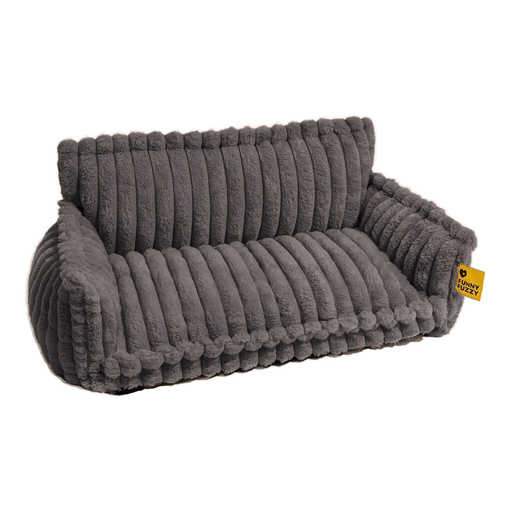
Why it suits this profile: According to the product description, this sofa-style model combines plush and sherpa fabric with a headrest and egg-crate foam.
The cover is removable and machine-washable. The non-slip fabric on the base helps address the risk of the bed sliding on a smooth floor.
Egg-crate foam, raised headrest, removable cover and non-slip base.
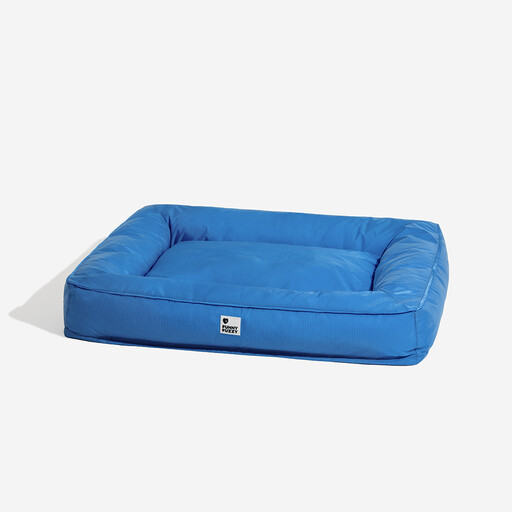
Why it suits this profile: The water-resistant Oxford fabric and wraparound edge are practical for large dogs, crates and frequent everyday use.
The product information describes water-resistant material, a fully washable design and a scratch-resistant construction. Allow all parts to dry completely.
Oxford fabric, raised edges, wraparound support and a design for large dogs.
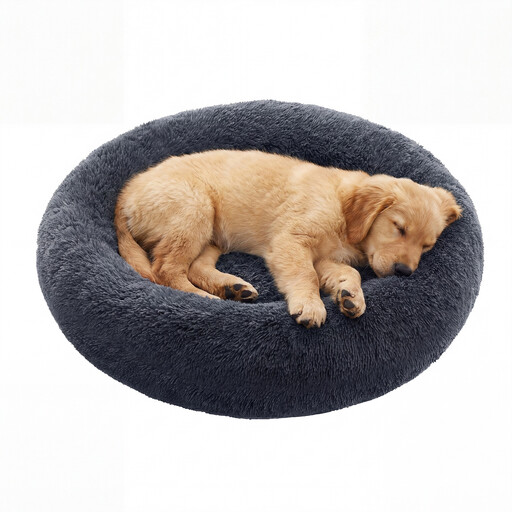
Why it suits this profile: Its high, round edge creates an enclosed sleeping space for medium to large dogs that like to rest against an edge.
The cover can be removed using a concealed zip and, according to the product information, is machine-washable. The inner filling needs to be cared for separately.
100 cm diameter, raised edge, PP filling and a removable, washable cover.
We’ve put together a complete, up-to-date list of products that meet these strict selection criteria and applicable European safety regulations.
Allow a vacuum-packed dog bed to expand fully before use. Gently shake and fluff the material, then leave it for a few hours to regain its shape. Put the bed somewhere quiet where your dog already likes to rest. A familiar blanket or toy may help them settle in.
Use a mild detergent when washing and always follow the care label. Make sure covers and inner mats are completely dry before putting them back. Vacuuming or using a lint roller can help with everyday upkeep. You can use the same approach for a cat bed, as long as the size and sleeping style are suitable.
Measure your dog from nose to the base of their tail while they’re lying stretched out. Allow extra room so they can turn around and stretch. If you’re choosing a dog basket with a high edge, check the interior dimensions too.
It depends on how much your dog moults, how often they’re outdoors and whether there are any accidents. Wash the cover when it’s visibly dirty or starts to smell. A removable cover makes regular cleaning easier; air the inner filling according to the care instructions.
Its lifespan depends on the material, your dog’s weight, digging habits and chewing. Check the seams, zips, non-slip base and filling regularly. Replace the bed if parts come loose, the filling becomes visible or the support noticeably deteriorates.
