
Vandaag of morgen in huis

Kwaliteit gegarandeerd

Welkomstaanbiedingen ontgrendelen: GRATIS bezorging | Tot 80% korting | Gratis 30 dagen JoyPlus-proefperiode
Download de app
A dog bed needs to do more than look soft. It should suit your dog’s body length, stay in place and be easy to clean. Yet many buyers focus mainly on plush fabric, colour and an appealing product photo. As a result, a dog bed can disappoint after just a few weeks.
The most common pitfalls are:
Read on to find out which specifications matter in practice and what type of dog bed suits different households.
Measure your dog from nose to the base of their tail while they’re lying down in a relaxed position. Add some extra room so they can stretch out. If your dog likes to curl up to sleep, a donut-shaped dog bed with a raised edge may be a good choice. The rounded edge creates a snug spot for them to lean against.
According to the product information, a 70 cm diameter bed is mainly intended for small to medium-sized dogs weighing up to around 15 kg. A 100 cm model offers more room for medium to large dogs, weighing up to around 30 kg according to the relevant product description. Always check your dog’s height at the withers, sleeping habits and the space available in your home too.
A dog bed for small and medium-sized dogs doesn’t need to be large, but it should have enough room for your dog to lie down comfortably. If you’re unsure, choose a larger size if your dog likes to stretch out.
A plush dog bed feels soft, but softness is only one factor to consider. Also look at:
An orthopaedic dog bed often uses foam with a supportive structure. Some models, for example, are described in their product information as having egg-crate foam. This is a product specification, not a guarantee of any medical benefit. If your dog already has joint or mobility problems, it’s best to consult a vet rather than relying on the product name alone.
A washable dog bed is especially practical when the cover is fully removable. Check that the product information clearly states which parts can go in the washing machine and how they should be dried. Some donut-style beds only have a removable central cushion, while the covers on other models can be taken off.
A dog bed with a removable cover is easier to clean regularly. First remove hair with a brush or vacuum cleaner, then follow the care label. Don’t use bleach or harsh cleaning products unless the care instructions say they’re suitable. Let the cover dry completely before using the bed again.
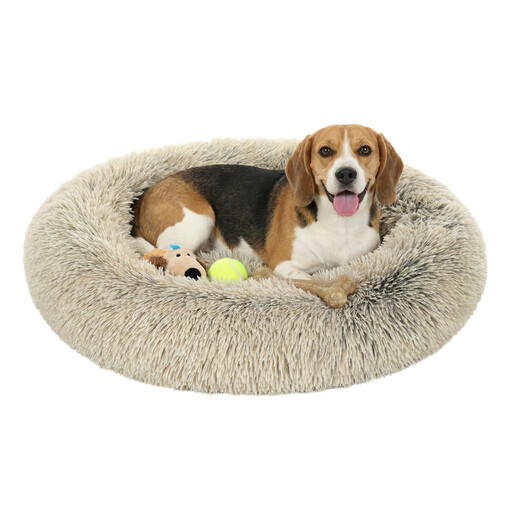
Why it suits this type of buyer: The round shape and 70 cm diameter make it a practical choice for small to medium-sized dogs. The neutral colour fits easily into a living room or bedroom.
The product information specifies a removable central cushion and a cover that’s machine washable according to the instructions. This makes care requirements clearer than they are for a bed without removable parts.
Plush polyester fabric, PP filling, a raised edge and a 70 cm size. According to the product information, the bed is also suitable for cats who like a cosy, sheltered place to sleep.
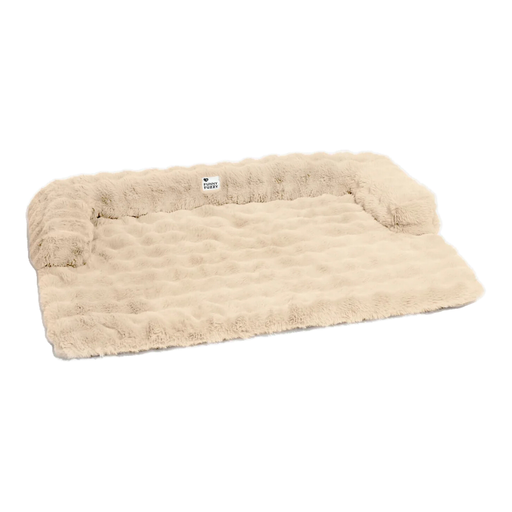
Why it suits this type of buyer: This sofa-style bed combines a soft exterior with egg-crate foam, a raised edge and a non-slip base. It’s a good fit for buyers who want to look beyond appearance alone.
The specified removable, machine-washable cover means you don’t have to wash the whole bed every time you clean it. The non-slip fabric also helps reduce movement on smooth floors.
Plush faux fur, egg-crate foam, raised head support and a removable cover. The product page lists dogs and cats as suitable pets.
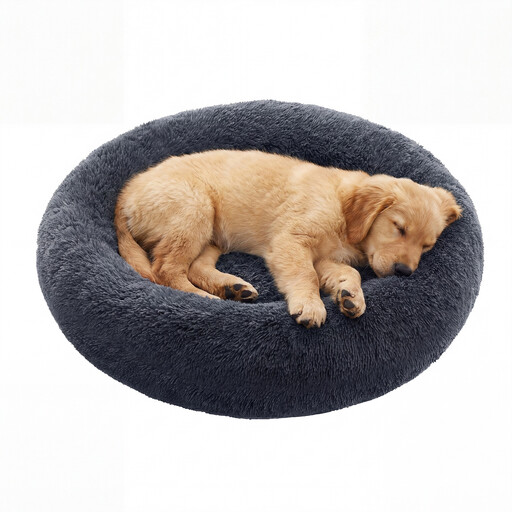
Why it suits this type of buyer: The 100 cm diameter is designed for medium to large dogs who like to curl up or sleep against a wide edge. The dark colour is practical in a busy household.
The product description specifies a removable cover, machine washing according to the instructions and a concealed zip. This makes it easier to assess the care requirements before you buy.
100 cm diameter, raised donut edge, plush polyester fabric and PP filling. According to the product information, this model is suitable for dogs weighing up to around 30 kg.
We’ve put together a complete, up-to-date list of products that meet these strict selection criteria and the applicable European safety regulations.
Measure your dog from nose to the base of their tail while they’re lying down, then add extra room for stretching. Also consider the height of the edge. A high edge can be comfortable for dogs who like to lean against something, but it may make getting in harder for some older or less mobile pets.
It depends on how often it’s used. Wash the removable cover when it’s visibly dirty or holding on to odours. In a household with lots of pet hair, muddy walks or a dog who spends a lot of time outdoors, you may need to vacuum the bed and spot-clean it between washes. Always follow the care label.
Its lifespan depends on the materials, how often it’s used and washed, and whether your dog chews it. Check the seams, zips, loose filling and base regularly. Stop using the bed if any parts come loose or the filling becomes accessible. A sturdy cover and replaceable or washable parts can make everyday use more practical, but they don’t guarantee a specific lifespan.
