
Vandaag of morgen in huis

Kwaliteit gegarandeerd

Welkomstaanbiedingen ontgrendelen: GRATIS bezorging | Tot 80% korting | Gratis 30 dagen JoyPlus-proefperiode
Download de app
A good night's sleep isn't just important for us; our four-legged friends also deserve a comfortable and secure place to rest. However, the search for the perfect dog bed can be overwhelming. With so many materials, shapes, and sizes available, it's difficult to determine what's truly best for your dog or cat.
As a Joybuy Product Recommendation Officer, my job is to help you make an informed decision. In this article, we'll explore what to look for and highlight several popular choices based on their specifications and practical features.
Before we dive into specific products, here are a few practical tips to get you started.
A pet bed sees a lot of use. Fur, dirt, and the occasional accident are inevitable. A washable dog bed is therefore not a luxury, but a practical necessity. Look for models with a removable cover that can be machine-washed. Materials like plush and sherpa fabric are popular for their softness, but always check if the cover is easy to remove. A non-slip base is also a plus, as it prevents the bed from sliding across the room when your dog jumps in or out.
Just like humans, dogs—especially older or larger breeds—benefit from proper support. An orthopedic dog bed is often filled with specialised foam, such as memory foam or egg-crate foam. This material contours to your pet's body, which can help relieve pressure on joints and the spine. A bed with a raised rim or bolster offers extra support for the head and neck, which many dogs find comforting.
Dogs have different sleeping styles. Some love to curl up into a ball, while others prefer to stretch out completely.
Measure your dog from their nose to the base of their tail while they are in their favourite sleeping position. Add 15-25 cm (6-10 inches) to this measurement to determine the right size.
Based on the criteria above, we have selected a few beds with compelling specifications.
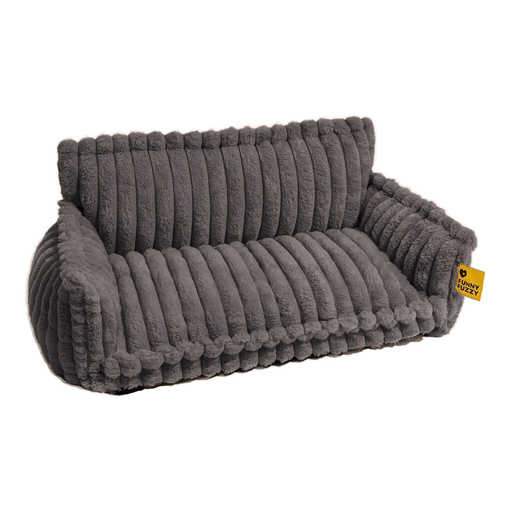
Why It Stands Out: This bed combines the luxury of a sofa with the benefits of an orthopedic dog bed. The egg-crate foam filling is designed to support the spine.
Key Features:
Who It's For: Dogs (and cats) of all ages who like to stretch out or could use extra support for their joints. The sofa style makes it a stylish addition to any living room.

Why It Stands Out: This is a classic donut dog bed that appeals to a pet's natural instinct to curl up in a safe nest. The soft, plush fabric makes it a very inviting place to sleep.
Key Features:
Who It's For: Small to medium-sized dogs and cats who prefer to sleep curled up. This fluffy dog bed is an excellent choice for pets who love a warm and sheltered spot.

Why It Stands Out: This bed offers a unique, semi-enclosed shape that is perfect for pets who like to retreat. It functions as a snug hideaway, providing a sense of privacy and security.
Key Features:
Who It's For: Primarily for cats and small dog breeds that naturally seek out their own sheltered space to sleep or hide. An ideal cat bed that also works well for small dogs.
Every dog and cat is unique, and perhaps one of these three recommendations isn't the perfect fit for your situation. One dog might need an extra-firm dog bed, while another is happiest in a super-soft cuddler.
Explore our extensive collection of cuddler dog beds for more choices in various sizes, materials, and shapes.
This depends on how dirty your dog gets, how much they shed, and whether allergies are a concern. A good rule of thumb is to wash the cover every one to two weeks. You can spot-clean stains in between washes with a damp cloth. A regularly washed bed helps keep odours and bacteria at bay.
An orthopedic dog bed is designed to provide extra support for a dog's joints and bones. This is typically achieved with a high-quality foam filling, such as memory foam or egg-crate foam. This material distributes the dog's weight evenly, reducing pressure on points like the hips and elbows. It is an especially popular choice for senior dogs, large breeds, or dogs with joint problems.
The easiest way to determine the right size is to measure your dog while they are sleeping. Measure the length of your dog from their nose to the base of their tail. Add about 15 to 25 cm (6 to 10 inches) to this measurement. This gives your dog enough room to stretch out and change positions comfortably. When in doubt, it's often better to choose a slightly larger size.
