
Vandaag of morgen in huis

Kwaliteit gegarandeerd

Welkomstaanbiedingen ontgrendelen: GRATIS bezorging | Tot 80% korting | Gratis 30 dagen JoyPlus-proefperiode
Download de app
Investing in a wireless microphone is a significant decision. The audio quality of your videos can be the difference between a professional production and an amateur recording. The wrong choice can lead to frustration, additional costs, and potentially lost footage. This article will help you make an informed decision by comparing the specifications of popular DJI Mic models, ensuring you select a product that aligns with your specific needs as a content creator.
When selecting a wireless microphone, several technical parameters should guide your choice. Focus on these specifications to find a model that fits your equipment and recording style.
Below is an overview of different DJI Mic systems, each with its own set of specifications and intended user.
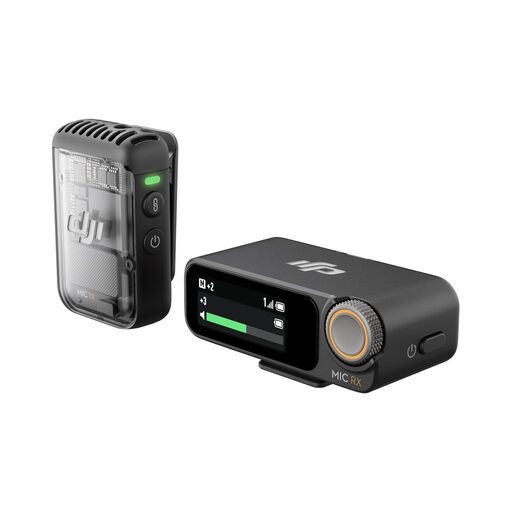
Why This Product The DJI Mic 2 is a versatile solution for solo creators seeking a reliable and complete kit. It combines high-quality audio features with ease of use and broad compatibility, right out of the box.
Key Features
Who Is It For? This kit is ideal for the individual content creator who needs a robust all-in-one solution. The combination of internal recording, noise cancellation, and broad compatibility makes it a dependable choice for diverse recording scenarios.
View the DJI Mic 2 Specifications

Why This Product The DJI Mic Mini focuses on an ultra-compact and lightweight design without compromising on essential audio quality. It is a minimalist and efficient choice for creators who prioritize mobility.
Key Features
Who Is It For? The Mic Mini is designed for the content creator who is always on the go and desires the lightest possible setup. It is an excellent lavalier microphone for quick interviews, streaming, and vlogs where discretion and weight are paramount.
View the DJI Mic Mini Specifications
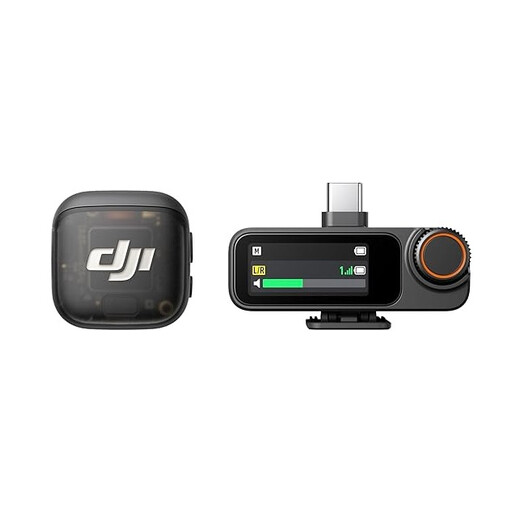
Why This Product The DJI Mic 3 is an advanced system geared towards more complex productions. With features like multi-transmitter support and adaptive gain, it offers a high degree of flexibility and control for professional recordings.
Key Features
Who Is It For? This system is intended for the serious content creator, solo filmmaker, or small production team in need of a scalable and technically advanced audio system. The ability to record multiple sources makes it suitable for interviews, panel discussions, and more complex video projects.
View the DJI Mic 3 Specifications
The DJI Mic series offers compact and user-friendly solutions, but it's just one part of the broader range of audio equipment available. Depending on your specific application, another type of microphone, such as an on-camera shotgun mic or a wired lavalier, might be a better fit. Every situation demands its own approach and the right tool for the job.
Explore our full range of camera microphones for more choices that match your budget and technical requirements.
What is the difference between the DJI Mic 2 and the DJI Mic 3? The main difference lies in scalability and advanced features. The DJI Mic 3 supports up to four transmitters per receiver and offers adaptive gain control, making it more suitable for productions with multiple speakers. The DJI Mic 2 is a more streamlined kit, primarily designed for solo creators or single-person interviews.
Can I connect the DJI Mic directly to my iPhone or Android phone? Yes, the DJI Mic 2 and DJI Mic 3 come with adapters (USB-C and Lightning) that allow you to connect the receiver directly to most modern smartphones. This makes it a plug-and-play solution without the need for extra cables or dongles.
What is 32-bit float recording and why is it useful? 32-bit float recording is a recording technique that captures a much wider dynamic range than standard audio recordings. In practice, this means it's virtually impossible for the audio to 'clip' (distort) from being too loud. If your sound levels unexpectedly peak, the recording can be recovered in post-production without any loss of quality. It acts as a reliable backup for unpredictable recording situations.
