
Vandaag of morgen in huis

Kwaliteit gegarandeerd
Download de app
Categorieën

Choosing the right camera can be a daunting task. The market is saturated with options, and specifications are often complex. The wrong choice can mean your footage lacks the quality you envisioned, or the camera isn't suited for your shooting conditions. This article will help you make an informed decision by breaking down the main DJI camera types based on their specifications and intended use cases.
Before you choose a model, it's helpful to assess your needs. The following criteria will help you filter the options and find the camera that aligns with your goals.
Your primary use case is the most important starting point.
Image quality is determined by several factors:
Smooth footage is the hallmark of professional video.
Based on the criteria above, we've selected DJI cameras that excel in different categories.
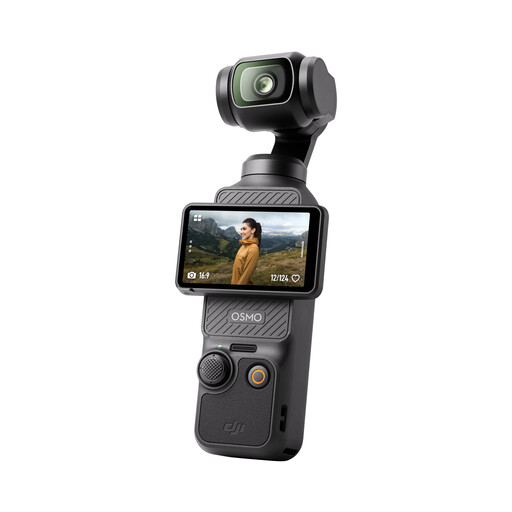
Why this product? The Osmo Pocket 3 combines a compact form factor with a powerful 1-inch CMOS sensor and an integrated 3-axis mechanical gimbal. This makes it an excellent choice for anyone who wants to create high-quality, stabilized video without carrying bulky gear.
Pros
Who is it for? This is an ideal vlogging camera and camera for travel. Content creators producing for platforms like YouTube will appreciate the combination of image quality, stabilization, and portability.
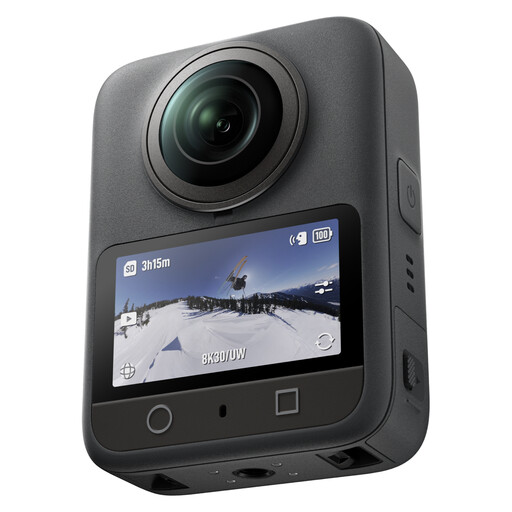
Why this product? This 360-degree camera captures everything around you in high resolution. The ability to reframe your shot in post and the "invisible selfie stick" effect offer unique creative possibilities.
Pros
Who is it for? This camera is for adventurers and content creators who want to experiment with unique perspectives. It's ideal for capturing landscapes, events, or action scenes where you don't want to miss a moment of the surrounding environment.
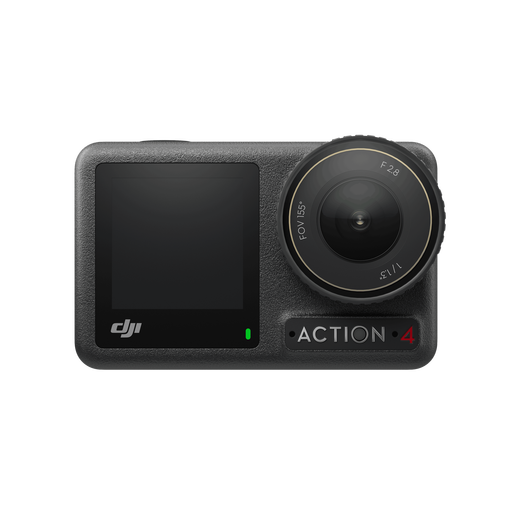
Why this product? The Osmo Action 4 is a rugged action camera engineered to perform in extreme conditions. It is waterproof, freeze-resistant, and delivers stable footage thanks to advanced electronic stabilization.
Pros
Who is it for? This is the camera for athletes, divers, skiers, and anyone who needs a durable camera that can withstand the elements. The combination of ruggedness, image stabilization, and image quality makes it a reliable companion for any adventure.
The models listed above represent specific use cases. Your needs might be slightly different, or you may want to compare the specifications of other brands and models. For a broader overview of cameras with similar connectivity features, you can browse our full range.
Explore our full range of Wi-Fi Action Cameras here.
1. What is the main difference between the DJI Osmo Pocket and the Osmo Action? The primary difference lies in their stabilization and design. The Osmo Pocket 3 uses a mechanical gimbal for exceptionally smooth, cinematic footage and is ideal for vlogging and travel. The Osmo Action 4 uses electronic stabilization (HorizonSteady) and is built for durability and action, featuring characteristics like waterproofing and freeze-resistance.
2. Are DJI cameras waterproof? This depends on the model. The DJI Osmo Action 4 is designed as a waterproof camera and can be used underwater down to a certain depth without an additional case. The DJI Osmo Pocket 3 is not inherently waterproof and requires a separate waterproof case for underwater use. Always check the specifications of the specific model.
3. Do I need an external microphone for a DJI camera? The built-in microphones on recent DJI cameras, such as the stereo array on the Pocket 3, deliver good audio quality for general use. For professional audio, especially in windy conditions or for interviews, an external microphone (like the DJI Mic) can provide a significant improvement. The Osmo Action 4 can connect directly to a DJI Mic transmitter, which simplifies the workflow.