
Vandaag of morgen in huis

Kwaliteit gegarandeerd

Welkomstaanbiedingen ontgrendelen: GRATIS bezorging | Tot 80% korting | Gratis 30 dagen JoyPlus-proefperiode
Download de app
A DIY project can be incredibly rewarding. Whether you're giving a wall a fresh coat of paint, refurbishing an old piece of furniture, or getting creative with paper, the right tools are the foundation for a great result. But the market for DIY supplies is vast, and not every product delivers on its promise. As a Product Recommendation Officer at Joybuy, I see the challenges consumers face every day. Let's look at the most common pitfalls so your next project can be a success.
A frequent mistake is falling for marketing claims that sound too good to be true. Think of a paint sprayer that promises a flawless finish with zero effort, or an "all-in-one" tool that ultimately isn't truly suitable for any specific task. The risk of poor quality also looms with hobby materials, like cutting dies that become dull after just a few uses and ruin your creations.
To avoid wasting money on unsuitable tools, it's crucial to know what to look for. Don't focus on the marketing, but on the specifications that actually matter for your job.
For painting, the options are enormous: from a simple brush set to an advanced paint sprayer. The right choice depends on the surface and the type of paint.
Sandpaper might seem like a simple product, but choosing the right grit is essential.
For hobbies like scrapbooking and card making, the quality of your materials is immediately visible in the final result.
To help you make your choice, we've selected a few products that suit different types of DIYers, based on their specifications and intended use.
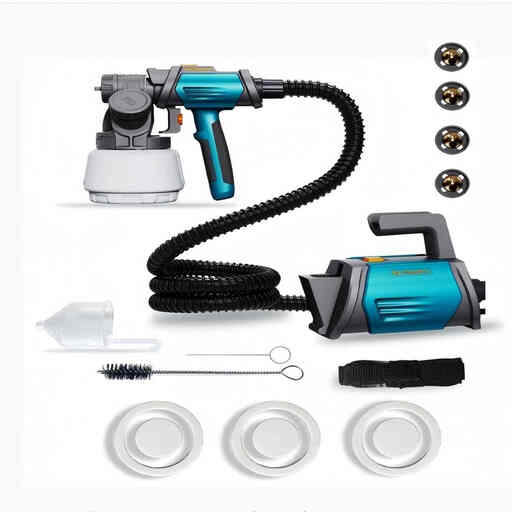
Why This Fits Their Persona: Ideal for those who want to tackle large projects like walls, fences, or ceilings quickly and with a clean finish. This person wants to work efficiently without compromising on quality.
This model bypasses the pitfall of vague promises by providing clear specifications. Its high viscosity support up to 120 DIN-s and the four included copper nozzles make it suitable for various paint types, from thin lacquer to thicker wall paint.
The 800W HVLP system ensures fine atomisation with less overspray. The side-feed design makes refilling easy without having to detach the container.
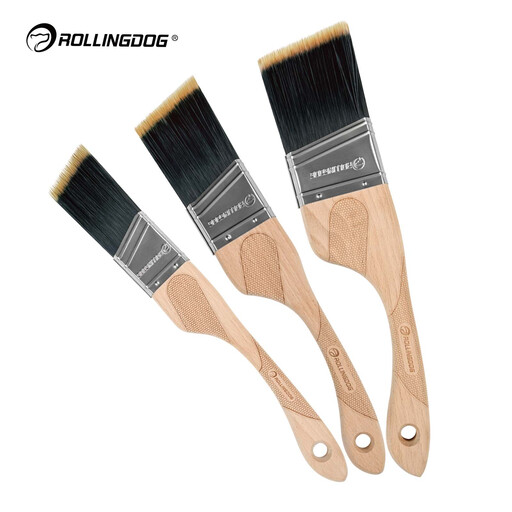
Why This Fits Their Persona: Perfect for anyone starting a painting job or looking for a reliable starter set for various projects around the house, such as painting a wall, window frame, or piece of furniture.
This set avoids the "all-in-one" trap by offering a selection of specialised sizes (1.5", 2", 2.5"). This ensures you have the right brush for every task, from large surfaces to corners, so you don't have to make compromises.
The synthetic polyester filaments are durable and suitable for all paint types (latex, acrylic, oil-based). The ergonomic handles provide excellent grip and control.
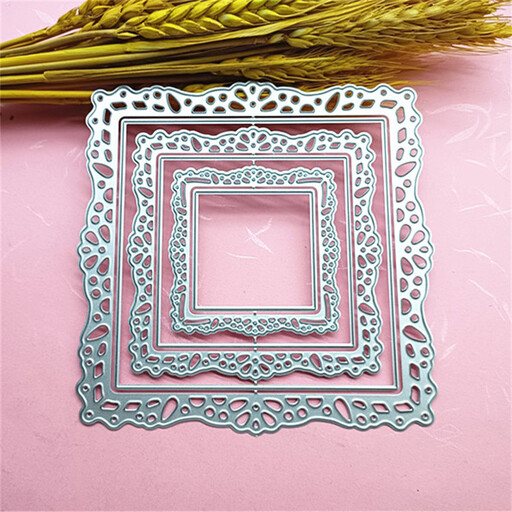
Why This Fits Their Persona: For enthusiasts of scrapbooking and card making who are looking for detailed and refined elements to give their projects a professional look.
This isn't a generic craft kit, but a specific metal cutting die. It avoids the pitfall of poor quality by being made for precisely cutting intricate patterns, which is impossible with a cheap, dull die.
The die creates a detailed and cleanly cut lace background pattern. It is a durable tool that is compatible with most standard die-cutting machines.
We have compiled a complete, up-to-date list of products that fully meet these strict selection criteria and current regulations.
Start with a low grit (e.g., 60-80) to remove old paint, rust, or imperfections. Then, use a medium grit (e.g., 120-180) to make the surface smoother. Finish with a fine grit (e.g., 220-240) for a perfectly smooth finish, ready for painting or finishing. A set like the WORKPRO Sandpaper Rolls offers various grits in one package.
Not all paint sprayers are the same. Always check the maximum viscosity (DIN-s) specified by the manufacturer. Models with a high DIN-s value, like the Tilswall Shark 800, can handle thicker paints such as wall paint. For lacquers and stains, you often need a lower viscosity. It may sometimes be necessary to slightly thin the paint for an optimal result.
Proper maintenance significantly extends the lifespan of your tools. Clean brushes and rollers immediately after use. For water-based paint, use soap and water; for oil-based paint, you'll need mineral spirits. Rinse well and let them dry hanging or lying flat to maintain their shape. A paint sprayer must be thoroughly flushed after each job according to the manufacturer's instructions to prevent clogging.
