
Vandaag of morgen in huis

Kwaliteit gegarandeerd

Welkomstaanbiedingen ontgrendelen: GRATIS bezorging | Tot 80% korting | Gratis 30 dagen JoyPlus-proefperiode
Download de app
Whether you're assembling an IKEA cabinet, hanging a painting, or planning a full renovation, the right DIY tools are the foundation of a successful project. But the market is flooded with options, from complete sets to specialised power tools. This makes choosing difficult, and the risk of making a bad purchase is high. Many DIYers pay too much for features they'll never use or end up with tools that give up the ghost after three uses.
As a Joybuy Product Recommendation Officer, I'll help you cut through the marketing jargon. We won't look at the flashy packaging, but at what really matters. Let's expose the most common pitfalls and discover how to choose tools that fit your projects and your budget.
The 2 pitfalls almost everyone falls into:
To make a smart choice, it helps to understand a few technical terms. These are the specifications that make the difference between a reliable assistant and a piece of frustration in your toolbox.
Battery: Voltage (V) and Amp-hours (Ah) The voltage (V) indicates the tool's power. An 18V drill is generally more powerful than a 12V model. But the Amp-hours (Ah) determine how long you can work on a full charge. For intensive jobs, a battery of 3.0 Ah or more is recommended. For light tools for home use, like an electric screwdriver, 1.5 to 2.0 Ah is often sufficient.
Motor: Brushless or Brushed? With power tools like a cordless drill or a multitool, you'll come across the term 'brushless'. A brushless motor is more efficient, generates less heat, and wears out more slowly than a traditional motor with carbon brushes. This results in a longer lifespan and more power from the same battery. For tools you use frequently and intensively, a brushless motor is a wise investment.
Functionality: Specialised or Versatile? Do you have one specific task, like gluing craft projects? Then a specialised glue gun is the best option. For general repairs and jobs, a versatile tool set or a good screwdriver set is a better start. Think about the jobs you perform most often and tailor your purchase accordingly.
We've highlighted some popular choices and matched them to the type of DIYer. This way, you can immediately see which tools align with your needs.
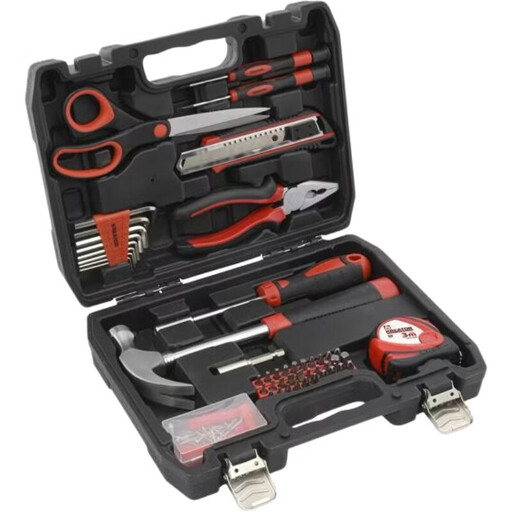
Why This Fits Their Persona: Ideal for someone who has just moved out on their own or wants a basic collection for the most common jobs: hanging a shelf, assembling furniture, or a bike repair. Everything is neatly stored in one case.
This set bypasses the "all-in-one" deception by focusing on essential, decent-quality hand tools without unnecessary filler. You're paying for usable tools, not for inflated numbers.
Contains 107 essential pieces, including hammers, pliers, and a comprehensive screwdriver set. Everything is clearly organised in a compact case.
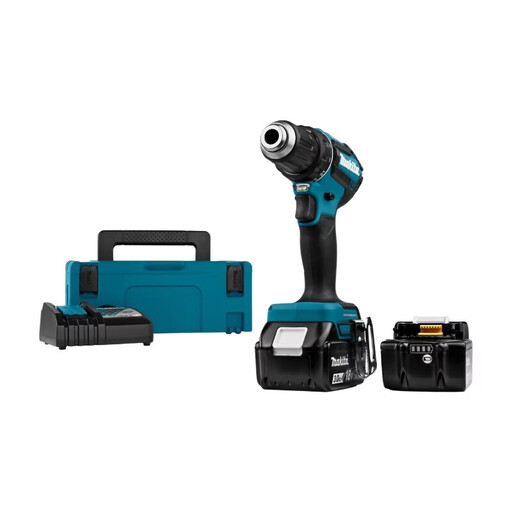
Why This Fits Their Persona: For the DIYer who regularly tackles larger projects, like building a fence or renovating a room. Reliability, power, and a long runtime are the priority here.
This model directly addresses the 'weak battery trap'. It comes with two powerful 3.0 Ah batteries, so you can keep working while the other one charges. The brushless motor guarantees efficiency and a long lifespan.
Powerful and durable brushless motor, two fast-charging 3.0 Ah batteries, and an all-metal transmission for heavier-duty screwing and drilling jobs.
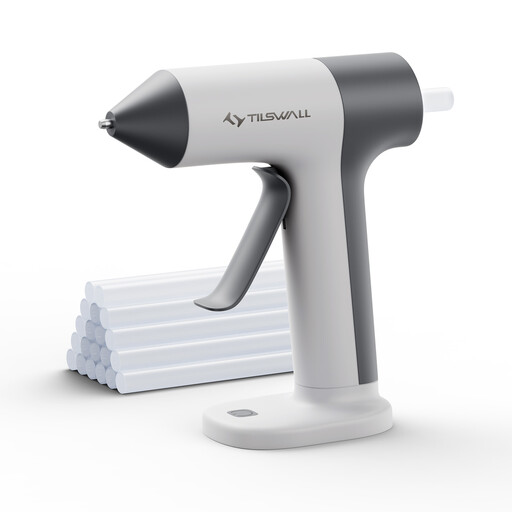
Why This Fits Their Persona: Perfect for the creative individual engaged in craft projects, model building, or quick decorative repairs. Freedom of movement and precision are more important here than brute force.
This is a specialised tool. It does one thing, but it does it well. The cordless design and fast preheating time are specifically tailored for creative and precise work, without the drawbacks of a cumbersome cord.
Cordless and lightweight for maximum freedom of movement. According to the manufacturer, the gun heats up in 30 seconds and features an anti-drip nozzle for clean work.
We have compiled a complete, up-to-date list of products that fully meet these strict selection criteria and safety standards.
A battery's runtime depends on its capacity (expressed in Ah), the intensity of the job, and the motor type. A 3.0 Ah battery will last significantly longer on the same job than a 1.5 Ah model. For light household tasks, 1.5 to 2.0 Ah is often fine. For intensive use or tougher materials, a battery of 3.0 Ah or more is recommended.
A brushless motor does not have physical carbon brushes that make contact to run the motor. This results in less friction, less heat generation, and more efficient energy use. The outcome is a longer tool lifespan and more work per battery charge. For DIY tools that you use often, the extra cost of a brushless model is often a worthwhile investment.
Not necessarily. To hang a picture frame, a hammer and a screwdriver are all you need. However, a basic tool set is often more cost-effective than buying all the tools individually. Moreover, it ensures you're prepared for unexpected repairs and don't have to run to the hardware store for every little job.
