
Vandaag of morgen in huis

Kwaliteit gegarandeerd

Welkomstaanbiedingen ontgrendelen: GRATIS bezorging | Tot 80% korting | Gratis 30 dagen JoyPlus-proefperiode
Download de app
Disposable towels are handy when you need a clean cloth quickly, without washing, drying or carrying a damp towel in your bag. However, these products vary greatly in size, material, absorbency and ease of use. A small pack with lots of sheets might seem like good value, but it could be less suitable for daily use if the wipes are thin or tear easily.
In this buying guide, you'll learn what to look for in disposable towels, disposable face towels, compact travel wipes and reusable alternatives such as cotton towels and microfibre towels.
A pack with 200 or 320 sheets looks appealing. So always check the size per sheet and the weight per square metre. A cloth measuring 18 × 20 cm is mainly suitable for face and hands. For your body, you'll need a considerably larger size.
It's best to compare the price based on:
Words like soft, premium or skin-friendly are not technical standards in themselves. Check whether the product description mentions the material, for example 100% plant-based viscose, cotton or non-woven fibres. Also pay attention to the product texture. A pearl texture can give the surface more grip when removing dirt or make-up, while a smooth surface may shed less lint.
Claims about suitability for sensitive skin should not be taken as medical advice. According to some brands' own information, certain wipes are intended for gentle daily cleansing. Stop using them if irritation occurs and avoid contact with the eyes, unless the usage instructions explicitly allow it.
Even if a cloth seems small or biodegradable, that doesn't mean it can be flushed down the toilet. Throw used face wipes, facial cleansing wipes and disposable washcloths in the bin. This helps prevent blockages and problems in the drainage system.
Choose the size based on the situation:
A disposable bath towel takes up more space than face towels, but can be handy when you don't want to carry a wet towel with you on the go.
Cotton is reusable, washable and suitable for towels, kitchen towels and bath textiles. Check the size, weight and washing instructions for cotton towels. Microfibre towels are lightweight and generally dry quickly. This makes them well suited to travel, sport and small bathrooms.
For disposable models, viscose and non-woven fibres are common materials. The product information may also mention a weight, such as 65 g/m². A higher weight can indicate a thicker cloth, but it doesn't tell you everything about water absorption. The fibre structure and finish also play a role.
For daily use, a box with loose sheets is easy to dispense. A hanging pack with a pull-opening saves space in the bathroom. For a weekend bag, compact travel wipes or compressed towels are practical: they take up very little room before you activate them with water.
Store disposable towels in a dry place, away from direct sunlight and moisture. An open pack above the shower can absorb moisture, making unused wipes less pleasant to use.
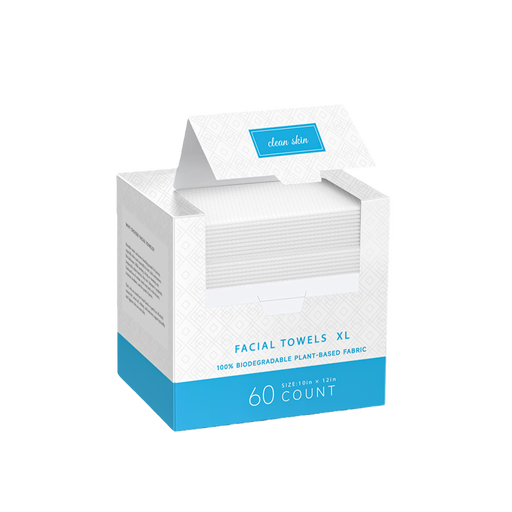
Why this fits the profile: The box contains 60 sheets measuring 30 × 25 cm and is suitable for facial cleansing, make-up removal and travel.
The exact number, size and material are stated. According to the brand's own information, the cloth is made from 100% plant-based viscose with a pearl texture.
60 sheets, plastic-free paper box and suitable for dry or damp use.
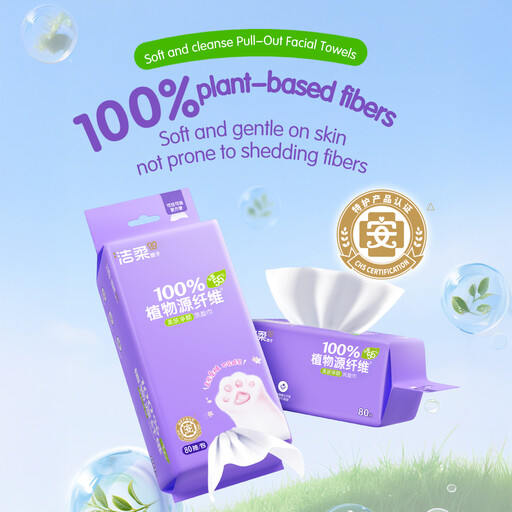
Why this fits the profile: The 20 × 20 cm wipes are intended for daily cleansing, make-up removal and baby care.
The size and quantity are clearly stated. According to the brand's own information, the plant-based non-woven fibres are low-lint and remain intact when used damp.
80 sheets per pack, a single pack for on-the-go use and hydro-entangled spunlace construction.
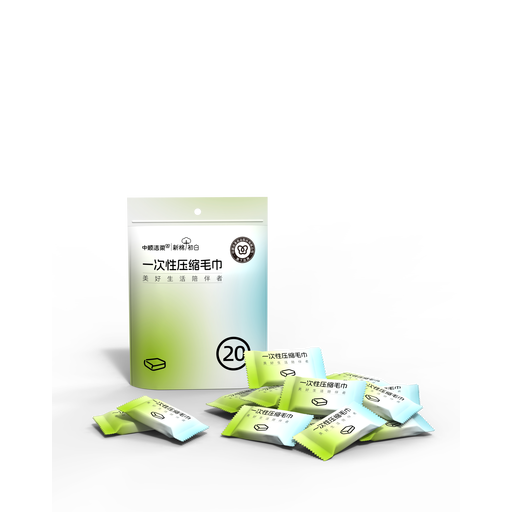
Why this fits the profile: The compressed tablets are designed for travel, camping, sport and business trips where luggage space is limited.
The size after activation is stated: 24 × 30 cm. This means you can see upfront that a small tablet doesn't replace a full bath towel.
20 pieces, plant-based natural fibres and compact storage before use.
We've put together a full, up-to-date list of products that fully meet these strict selection criteria and current European safety regulations.
Choose disposable towels when hygiene, convenience and a clean cloth for each use are your priorities. They're practical for hotel stays, spa visits, festivals, baby care, the gym and travel. Bear in mind the waste generated and the ongoing cost.
Cotton towels make more sense for daily use at home. Microfibre towels are interesting if you have limited luggage space or want a quick-drying material. For the kitchen, you can opt for kitchen towels with a larger size and a washable design.
That depends on the product description. Some disposable face towels are intended for facial cleansing and make-up removal. If needed, use a suitable cleansing product and avoid harsh rubbing. Always check the instructions and stop if skin irritation occurs.
Check the stated shelf life and keep the pack dry and sealed. According to C&S product information, compressed towels can have a shelf life of three years. After opening, protection against moisture and dust is especially important.
That depends on how often you use them. For occasional travel or one-off use, disposable towels can be practical. For daily use at home, washable cotton towels can work out more cost-effective because you reuse them. So compare the price per use, not just the price per pack.
