
Vandaag of morgen in huis

Kwaliteit gegarandeerd

Welkomstaanbiedingen ontgrendelen: GRATIS bezorging | Tot 80% korting | Gratis 30 dagen JoyPlus-proefperiode
Download de app
Taking a towel with you when you travel sounds simple enough – until you’re faced with a full suitcase, a damp cotton bath towel or a shared hotel towel. Disposable towels can be a practical solution, but not every product offers the same size, material or ease of use.
Pay particular attention to three common pitfalls:
A disposable face towel doesn’t need to be large. For hands and face, a smaller cloth or sheet is usually sufficient. If you want to dry your whole body after swimming, exercise or showering, you’ll be better off with a disposable bath towel around 70 × 140 cm.
A larger size naturally takes up more space. Compressed towels can partly overcome this drawback: according to the ochama product description, these towels are packed compactly and unfold when they come into contact with water. Always check whether the product is intended as a bath towel or as a small travel cloth.
For a cotton option, 100% cotton, the size and the weight are relevant details. A higher weight may indicate more material, but on its own it doesn’t tell you everything about drying time or absorbency. A cotton bath towel is usually suitable for repeated use and feels different from a non-woven disposable version.
According to the product information, the ochama disposable bath towel is made from 100% plant-based fibres in non-woven form. The manufacturer mentions a thicker design, use for dry or damp wiping, and a pack of five. Treat this information as a product specification, not a guarantee of a particular user experience.
With a soft towel for face or baby care, the texture, fibres and usage instructions matter more than just the word “soft”. Purcotton, for example, states 100% cotton and use for dry or wet wiping. If you have sensitive skin, always check the ingredients and stop if irritation occurs.
A disposable towel is designed to be thrown away after use. That can be handy in a hotel, gym, swimming pool or on a business trip, but it also creates more waste than a reusable towel. Dispose of used towels in the bin according to the product instructions and do not flush them down the toilet.
Be aware of the difference between:
For the kitchen, there are also thicker cloths that, according to the product description, can be used dry or damp. “Reusable” in the product name doesn’t mean you can keep using them hygienically indefinitely. Check the manufacturer’s instructions and replace a cloth as soon as it looks visibly dirty, damaged or smells unpleasant.
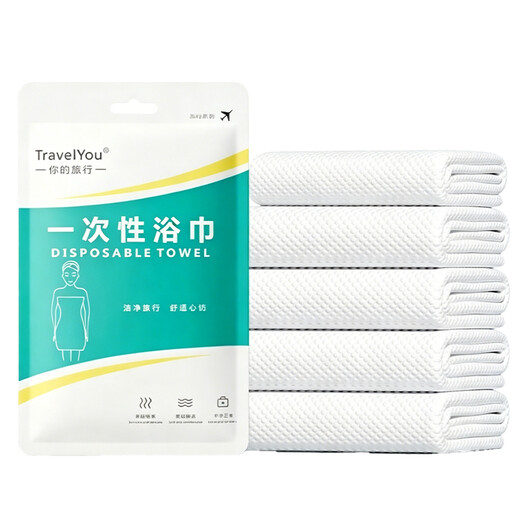
Why this fits the profile: The 70 × 140 cm size is comparable to a standard bath towel and the pack contains five pieces. That makes this option straightforward for a first purchase or short trip.
The dimensions and number of pieces are clearly stated in the product name. So you don’t have to rely solely on general terms like large or absorbent.
70 × 140 cm; five individual towels per pack.
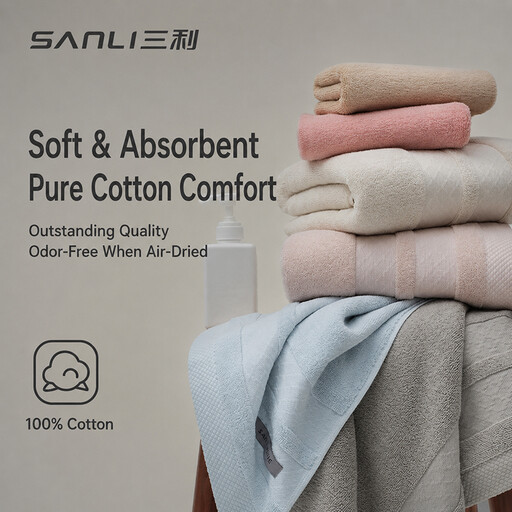
Why this fits the profile: If you want a roomy, reusable towel for home, you can choose a cotton bath towel measuring 80 × 150 cm with a stated weight of 530 g.
The product information lists the material, size and weight. This makes it easier to compare this cotton option with other thick towels.
100% cotton; 80 × 150 cm; 530 g.
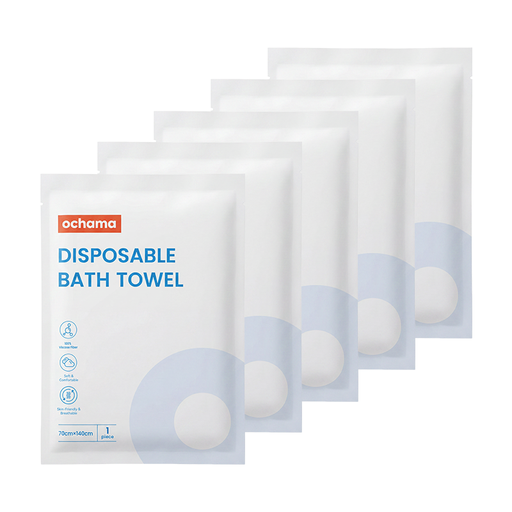
Why this fits the profile: According to the product description, this disposable bath towel is designed for travel, hotels, swimming pools and gyms. The towel is compressed and expands when dampened.
The product page lists the material, size, compressed format and usage instructions. Dispose of the towel after use and do not flush it.
100% plant-based fibres according to the product description; compressed; 70 × 140 cm; five pieces.
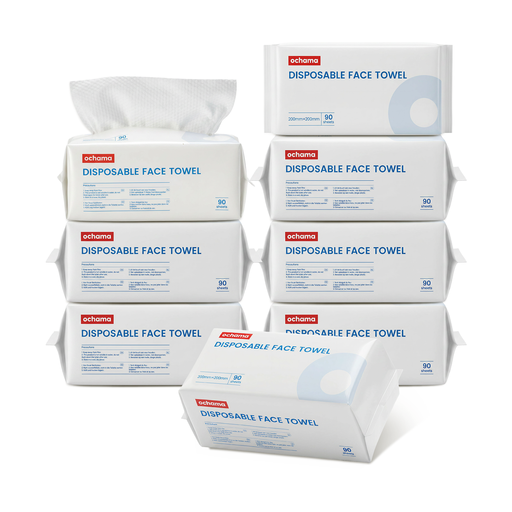
Why this fits the profile: The pack contains 8 bundles of 90 sheets. According to the product information, the sheets are suitable for dry and damp use in facial care and everyday wiping.
The number of sheets and how they are divided across the bundles are stated upfront. That helps you calculate stock and cost per use.
720 sheets; 8 bundles of 90; pearl texture; suitable for dry and damp use according to the product information.
A travel towel is especially practical when washing and drying are difficult. Think of a flight, festival, hotel stay or a trip to the gym. For everyday use at home, a cotton towel is often more sensible if you want to reduce waste and can wash regularly.
For the kitchen, you might consider a reusable kitchen roll or kitchen cloth if you want to use one cloth several times. A disposable kitchen towel is handier for oil, raw ingredients or quick cleaning, but always follow the product instructions for contact with food and surfaces.
Dampen the towel according to the instructions on the packaging. With the ochama option mentioned, it is recommended to place the towel in water for a few seconds, unfold it and squeeze out any excess water. Then use it for its intended purpose and dispose of it in the bin.
That depends on the size, packaging and how the towel is supplied. A size of 70 × 140 cm is intended for use as a bath towel, whereas smaller cloths are more suitable for face or hands. Individual wrapping and compression can save space in your luggage.
Compare the total price with the number of usable pieces. For face towels, look at the price per sheet; for a disposable bath towel, look at the price per towel. Also consider the waste and whether a reusable cotton towel might suit your needs better in the long run.
We’ve put together a full, up-to-date list of products that fully meet these strict selection criteria and comply with current European safety regulations.
