
Vandaag of morgen in huis

Kwaliteit gegarandeerd

Welkomstaanbiedingen ontgrendelen: GRATIS bezorging | Tot 80% korting | Gratis 30 dagen JoyPlus-proefperiode
Download de app
Planning a barbecue, picnic, or birthday is fun, but the mountain of dishes afterwards is much less so. Disposable tableware offers a solution. However, making the right choice isn't always easy. You want to avoid ending up with flimsy paper plates that buckle under the weight of a potato salad, or plastic cutlery that snaps when cutting a piece of meat.
Common pitfalls are plentiful. Think of products marketed as "sustainable" that don't actually break down properly, or cups that aren't suitable for hot drinks and start to leak. A cheap purchase can quickly become a costly mistake. Let's look at what you need to consider to make the right choice.
Before you fill your shopping cart, there are a few specifications that can make the difference between a successful party and unnecessary frustration.
The material determines the sturdiness, heat resistance, and sustainability of your disposable tableware.
Paper plates are lightweight and often an affordable choice. Pay attention to the thickness and whether a coating has been applied. Without a coating, they can quickly become soft from moisture or sauce.Wooden cutlery, often made from birch wood, is typically sturdier than plastic versions and has a natural aesthetic. Bamboo is a fast-growing grass species used for skewers, plates, and cutlery. Products with an FSC certification indicate that the wood comes from responsibly managed forests.Think carefully about what you will be using the tableware for. The requirements for bbq tableware are different from those for picnic supplies.
disposable plates that won't bend and cutlery that won't break. Wooden or high-quality plastic cutlery is a good choice here. Aluminium trays are handy for side dishes.disposable cups and plates are practical. For children's birthdays, brightly coloured party supplies are a fun addition.disposable cups are suitable for coffee or tea. Specifically choose cups designed for hot liquids, often with a double wall or a special coating to prevent leaks and burns.To help you get started, we've highlighted a few products that fit specific needs.
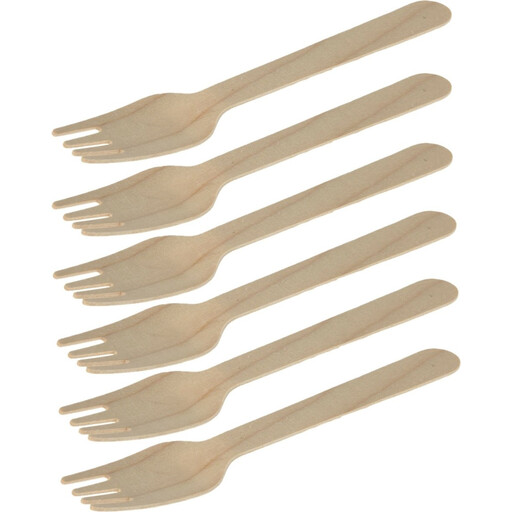
Why This Fits Their Persona: Ideal for those who need sturdy cutlery that can handle a piece of meat or a hearty salad. This wooden cutlery combines functionality with a natural aesthetic that's perfect for an outdoor event like a barbecue.
The birch wood is much sturdier than cheap, flimsy plastic cutlery. You don't have to worry about your fork or knife snapping while you eat.
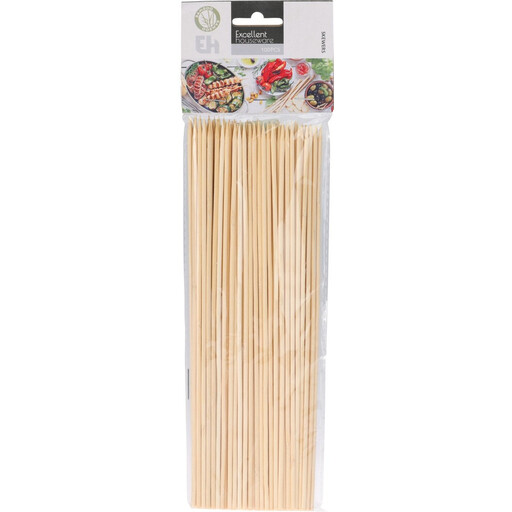
Why This Fits Their Persona: For those looking for a more sustainable alternative to plastic picks. Perfect for making satay, vegetable kebabs, or fruit skewers for a party without immediately resorting to plastic.
These skewers are made from bamboo, a fast-growing and renewable resource. This is a direct answer to the demand for alternatives to single-use plastic.
The 30 cm length makes them versatile for various dishes. The bulk pack of 100 pieces is practical and cost-effective for larger groups.
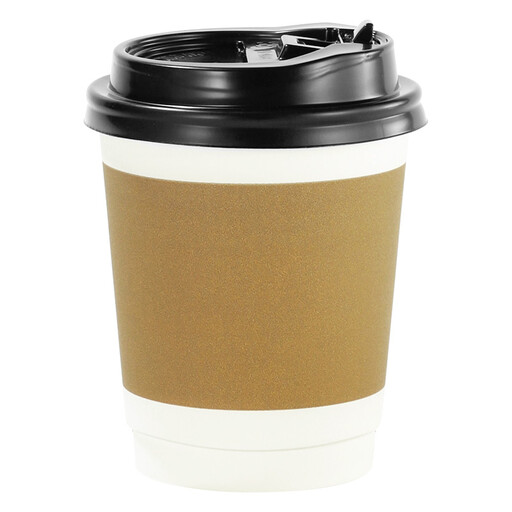
Why This Fits Their Persona: Convenience is key. These cups are suitable for both hot and cold drinks, and the included lids prevent spills. Ideal for a birthday, an office event, or on the go.
These cups are specifically designed to be leak-proof for hot beverages. This helps you avoid the problem of flimsy, leaking cups often found with the cheapest options.
The lids are a major plus. They make the cups safer to use (fewer spills) and keep drinks warmer for longer. The 280 ml capacity is a standard, convenient size.
No, in most municipalities, this is not allowed. Although materials like wood and bamboo are natural, the processing systems for organic waste are not designed for them. Therefore, dispose of this sustainable disposable tableware with your general waste, unless the packaging or your local council explicitly states otherwise.
That depends on the quality. Thin, uncoated paper plates will quickly become soft. For hot or moist food, like stews or dishes with a lot of sauce, choose plates with a PE or PLA coating. This coating creates a barrier against moisture and grease, keeping the plate sturdy.
"Biodegradable" is a vague term. Everything eventually biodegrades, but it can take hundreds of years. "Compostable" means that a product can be converted into compost within a specific timeframe under specific conditions (usually in an industrial composting facility). Note: this doesn't always mean it can go in your home compost pile.
