
Vandaag of morgen in huis

Kwaliteit gegarandeerd

Welkomstaanbiedingen ontgrendelen: GRATIS bezorging | Tot 80% korting | Gratis 30 dagen JoyPlus-proefperiode
Download de app
Disposable period underwear can be useful when a sanitary towel doesn’t feel secure enough, especially if you have a heavy flow, need protection overnight or are in the early days after giving birth. However, not all absorbent styles are the same. A low price may seem appealing, for example, but it tells you little about the fit, absorbent layer or leak protection.
Brand product descriptions sometimes make broad claims about how products can be used. According to SUNKISS’s product description, certain styles can absorb the equivalent of four regular sanitary towels and offer up to 12 hours of protection. This is the manufacturer’s product specification, not a guarantee for every user. How long a pair lasts depends on the amount of fluid, the fit and how often you change it.
“For heavy flow” sounds clear, but always check what the claim is based on. A comparison with a certain number of sanitary towels is an indication, not a universal unit of measurement. Check the construction too: a double absorbent core, a moisture-resistant backing and raised leak guards are more specific features to assess than general terms such as “maximum protection”.
An absorbent product works less well if it’s too loose, as the leg openings may not fit snugly. A size that’s too small can feel tight or uncomfortable, especially overnight or after giving birth. Measure your waist and hips using the brand’s size guide. If you’re between sizes, check whether the product description recommends sizing up.
Period underwear for heavy flow isn’t automatically suitable for the first few days after giving birth. Maternity pads are specifically designed for lochia, the bleeding after birth. Seek medical advice if you have unusually heavy or prolonged bleeding, a fever or unpleasant-smelling discharge. The products below are general consumer products and are not a substitute for advice from a midwife, GP or gynaecologist.
Check the material used in the core and how it holds fluid. Several SUNKISS styles list an absorbent core made with FSC-certified pulp. For its incontinence underwear, the product description also mentions a core that turns liquid into gel.
Read “up to 12 hours of protection” as a maximum claim under certain conditions. Change the product sooner if it becomes saturated, feels uncomfortable or no longer fits properly. For overnight use, a style with a close fit all around, elasticated leg openings and leak guards can be practical.
A 360° close fit can help keep the underwear in place when you turn over in bed or move around. A low waist sits discreetly under clothes, while a higher waist can provide more coverage in postnatal underwear. Check whether the product is designed to be disposable, too. Some descriptions mention washing, while others specifically state that the products are for single use.
Odour control is often mentioned for absorbent disposable underwear. According to SUNKISS’s product description, its incontinence underwear features an Odor-Lock system designed to help contain odours. This is a claim made by the brand, and individual experiences may vary.
Also look for a soft, breathable top layer, and stop using the product if irritation occurs. Washable and disposable styles have different care requirements. Do not flush disposable underwear down the toilet. Dispose of it according to your local waste guidance.

Why it suits this profile: This pack is designed for single use on heavy-flow days, overnight or during postnatal recovery. With 10 pairs in the pack, it’s a practical way to try disposable period underwear for the first time.
The product description specifies the available size, a 360° fit, elasticated leg openings and leak guards. This lets you check the key buying criteria before you order.
According to the product description: a double absorbent core, capacity equivalent to up to four regular sanitary towels and wear time of up to 12 hours.

Why it suits this profile: This style is designed for adults who need extra absorbency during the day for urinary incontinence or postnatal use. It’s worn like regular underwear and provides full, close-fitting coverage.
The specifications list an elasticated waistband, 360° coverage, an absorbent core and leak protection. Make sure the size is right for your waist and hip measurements.
The pack contains 32 pairs. According to the product description, it features a super-absorbent core and Odor-Lock odour control.
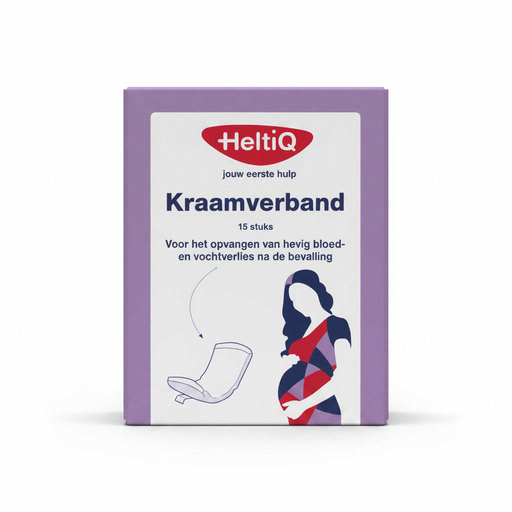
Why it suits this profile: Maternity pads can be more practical than period underwear in the first few days after giving birth. This style is designed for very heavy postnatal bleeding and can be worn with loose-fitting underwear.
The product description clearly states what it’s for: maternity pads for postnatal bleeding, not general incontinence underwear or a period product.
According to the product description, the pad has a highly absorbent core, a leak-resistant backing and an adhesive strip. Change it regularly, at least every three to four hours, or sooner if it becomes saturated.
We’ve put together a complete, up-to-date list of products that meet these strict selection criteria and the applicable European safety regulations.
It depends on the style and how heavy your flow is. Some SUNKISS product descriptions claim up to 12 hours of protection, but this is a maximum product claim. Change the underwear sooner if it becomes saturated, leaks or feels uncomfortable. Always check the instructions on the packaging.
A style with a 360° fit, elasticated leg openings and leak guards may be suitable for overnight use. Choose your size carefully and take your own flow into account. You may need extra protection if your period is very heavy.
Compare the cost per use, not just the price of the pack. Divide the total price by the number of items and work out how many you’ll need on a heavy-flow day. A larger pack may reduce the cost per item, but try a suitable size and see how it works for you before stocking up.
