
Livraison le jour même et le lendemain

Qualité garantie

Débloquez vos offres de bienvenue: Livraison GRATUITE | Jusqu'à -80 % | 30 jours d'essai gratuits à JoyPlus
Téléchargez l'application
Disposable pants are handy for babies who are always on the move, children who need extra protection at night and adults experiencing urinary incontinence. But it’s not wise to choose based solely on a familiar brand name, a large pack or the words “maximum protection”. The right choice depends mainly on the size, absorbency and when the pants will be used.
A large value pack of nappies or incontinence pants can reduce the cost per item, but only if the size and style are right. A child can quickly outgrow their current size, while an adult may need a different fit for daytime or overnight use. So first check the pack size, the price per pair and the size guide.
Words such as leak-proof, overnight comfort and maximum absorbency are often marketing terms. No disposable pants will automatically suit every body or every amount of moisture. Protection is affected by the leg openings, waistband, sleeping position and how soon you change the pants.
So look for specific features such as elasticated leg cuffs, protective barriers, an absorbent core and a secure fit around the waist.
Pants that are too small can feel tight and may not provide enough coverage. A pair that’s too large may gape at the legs or shift around as you walk. For baby nappy pants, the weight range on the pack is the first thing to check. For adult incontinence underwear, waist or hip measurements are usually more important.
A good fit means the pants sit snugly without creating pressure points. After putting them on, check that the leg cuffs are turned outwards and the absorbent core is centred.
For daytime use, lightly or moderately absorbent pants may be enough. If you’ll be out for longer, you may prefer a style with a wider absorbent core and extra moisture barriers. For overnight use, night-time pants or disposable incontinence pants with a larger core and secure leg cuffs are a more suitable choice.
According to its own product information, Pampers Baby-Dry Pants for babies have an absorbent core and offer up to 12 hours of protection. This is a product claim by Pampers, not a guarantee for every situation. Change nappy pants when they’re soiled or as directed on the packaging.
A 360° elasticated waistband can help keep the pants in place while crawling, walking or turning over in bed. Pampers lists a flexible waistband and wider protective barriers on several of its nappy pants. According to the brand’s product information, these are designed to help reduce leaks around the legs and at the back.
For men’s incontinence pants, an ergonomic shape can be practical. The SUNKISS model for men lists a 357-degree elasticated design, reinforced leak protection and an absorbent core. Always check the size guide, though: a product specification is no substitute for checking the individual fit.
Check the materials if the wearer is sensitive to certain ingredients. Some styles state that they have a latex-free, lotion-free or fragrance-free outer layer. Others use an odour filter or odour-control layer. These may help limit odours, but they’re not a medical or hygiene guarantee.
Disposable pants are designed for single use. Don’t flush them down the toilet. Roll up used pants and, if there is one, use the adhesive tab for disposal. If skin irritation occurs, stop using them and follow the instructions on the packaging.
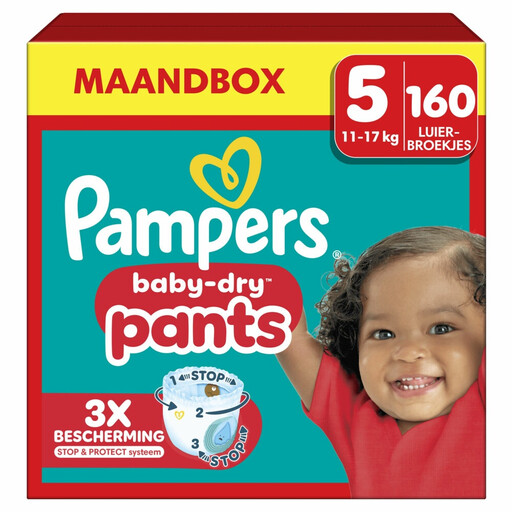
Why it suits this need: A monthly pack of 160 nappy pants is handy for everyday use, provided size 5 is right for your child’s weight.
The clear size label and fixed pack quantity make it easier to compare the price per pair. Check the current weight guidance on the packaging.
160 pants; flexible waistband; an absorbent core and wider protective barriers, according to Pampers.
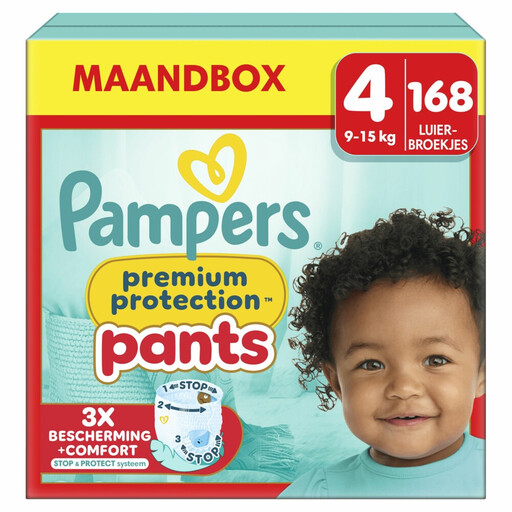
Why it suits this need: A good choice for parents who value a soft waistband, easy changing and product specifications they can check.
The size, pack contents and construction are clearly described. A soft waistband doesn’t automatically prevent leaks, but it can help the pants fit better during movement.
168 pants; wider, soft protective barriers; Stop & Protect pocket, according to Pampers product information.
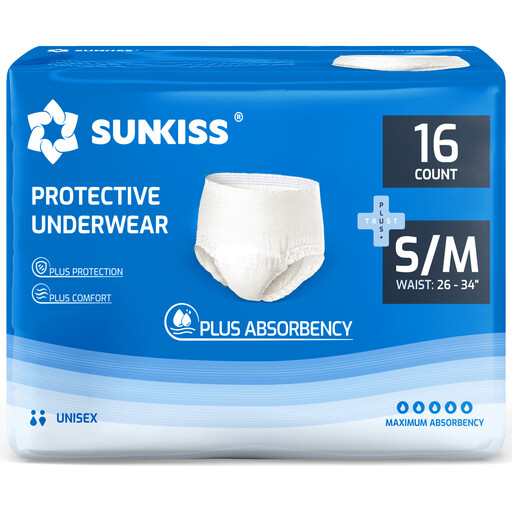
Why it suits this need: An option for adults looking for unisex incontinence pants for daytime and overnight use, designed for heavy absorbency.
The product description lists a double absorbent core, inner leg cuffs and a choice of sizes. Check your hip measurement before ordering.
16 pants; absorbent polymer core; latex-, lotion- and fragrance-free, according to the product description.
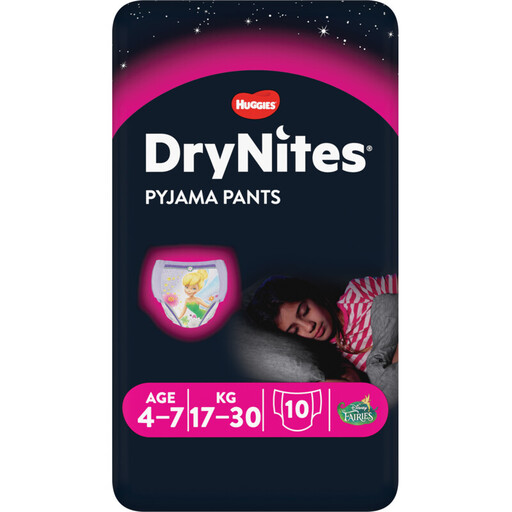
Why it suits this need: Bedwetting pants for children aged 4 to 7, weighing 17 to 30 kg, according to the product information.
The age and weight range helps you avoid choosing standard nappy pants for a specific overnight need.
10 pants; elasticated waist and sides; leak-blocking barriers, according to the product description.
We’ve put together a complete, up-to-date list of products that meet these strict selection criteria and the applicable European safety regulations.
For babies, use the weight range shown on the pack. For adults, check your waist or hip measurement and compare it with the brand’s size guide. If you’re between sizes, also consider the leg openings and when you’ll be using the pants.
How long they last depends on the amount of moisture, movement and type of product. Change the pants if they’re soiled or feel saturated. Claims such as “up to 12 hours” come from the relevant brand’s product information and may vary from person to person.
Yes, there are men’s styles, women’s styles and unisex incontinence pants. Men’s styles sometimes have a different shape around the absorbent core. Unisex styles can suit a wider range of people, but the right size is still essential for comfort and protection.
