
Vandaag of morgen in huis

Kwaliteit gegarandeerd

Welkomstaanbiedingen ontgrendelen: GRATIS bezorging | Tot 80% korting | Gratis 30 dagen JoyPlus-proefperiode
Download de app
Disposable hygiene products can make daily life easier. Think of adult disposable nappies, incontinence pads for adults, absorbent incontinence pants, overnight menstrual protection and disposable face towels. However, the wrong choice can lead to leaks, skin irritation, unnecessary costs, or a pack that contains fewer items than you expected.
The product name alone doesn't tell you everything. Pay close attention to the fit, the material, the intended use, and the exact pack contents.
Words like "maximum", "overnight" and "leak-proof" sound clear, but they don't always tell you how much fluid a product can actually handle in practice. The experience also depends on the fit, the amount of urine loss, your body position, and how often the product is changed.
According to the product description from SUNKISS, certain TrustPlus models are designed with an absorbent core, leg cuffs and adjustable fastening tapes. These are features you can check. However, how well they work in your individual situation can vary.
An incontinence product needs to fit snugly around the waist and legs. A nappy that is too loose can leak; one that is too tight can feel uncomfortable. So always check the size guide and measure your waist and hips if necessary. With adult disposable nappies, the tab closure is handy when a carer or healthcare professional helps with putting it on.
Size is also important with disposable period pants. An overnight style can offer enough coverage, but the wrong waist size will reduce how well it fits.
A large pack isn't always better value. Divide the price by the number of items and consider how many changes you need each day. With face towels, the difference between 90, 300, 320 and 720 sheets matters for storage, travel use and family use.
Also check whether a product is intended for single use only. Disposable wipes and incontinence materials should not be washed, reused or flushed down the toilet.
For urine loss, the following details are practically relevant:
For overnight use, absorbency isn't the only thing that matters. Also consider your sleeping position. Side sleepers benefit from a model where leg cuffs and the back are clearly mentioned in the product description. No product guarantees a leak-free night in every situation.
When cleansing your face with disposable wipes, the material, texture and any added ingredients are important points. The Ochama wipes mentioned are, according to the product information, made from viscose and lyocell fibre and are fragrance-free. The BREEZE wipes are described as 100% viscose fibre from wood pulp, with a pearl texture on one side and a smoother weave on the other.
A product description is not a guarantee of how your individual skin will react. Stop using the product if you experience redness, itching or irritation, and follow the instructions on the pack. Do not use disposable face towels on broken skin unless advised by a healthcare professional.
For daily cleansing, wet and dry facial wipes are versatile. A dry sheet can be used to wipe your face; for wet use, dampen the sheet with water. Check whether the sheet is large enough for your routine. The models mentioned have sizes of 200 × 200 mm.
With gentle make-up removal wipes, pay attention to the instructions. Some wipes are intended for use with water or a cleanser, but not for contact with the eyes. A fragrance-free product can be a practical choice if you prefer to avoid scents, but "fragrance-free" doesn't automatically mean every skin type will tolerate it.
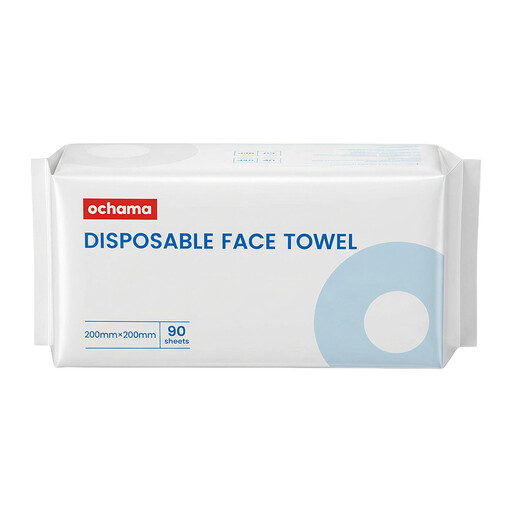
Why this fits the profile: A pack of 90 sheets is manageable for anyone wanting to try disposable face towels first, or looking for a compact supply for travel.
The number of sheets and how to use them are clearly stated. This means you don't buy a large family pack when you only need facial cleansing with disposable wipes occasionally.
90 sheets per pack, pearl texture and suitable for dry or wet wiping. According to the product information, the material is fragrance-free.
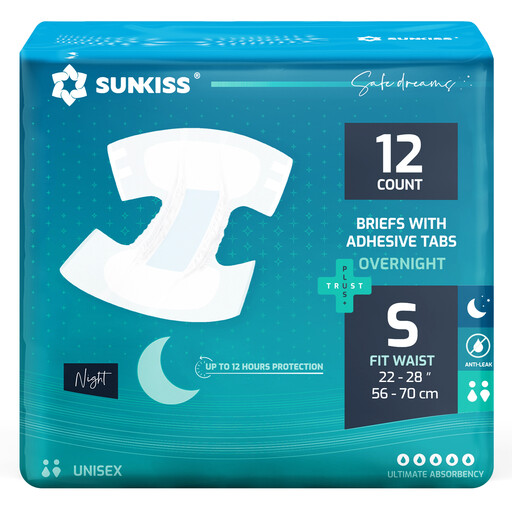
Why this fits the profile: This model is designed for overnight use and may suit adults or carers who value an adjustable closure and a wetness indicator.
The description mentions a dual-core system, leg cuffs, adjustable tabs and a backsheet designed to help prevent sagging. Always check the size, though.
Small, 12 pieces, unisex design, wetness indicator and material with no added lotions or fragrance according to the product description.
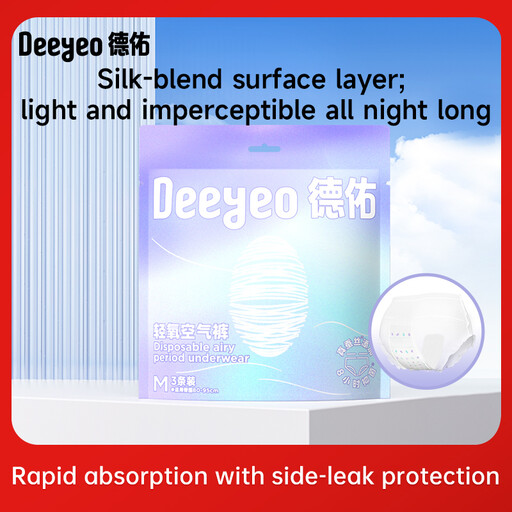
Why this fits the profile: This model is designed for overnight protection against urine loss during menstruation. The pant style can be comfortable for anyone who doesn't want to use loose pads with adhesive strips.
The product name states size M, a pant style and a pack of three. This helps you estimate the fit and how long it will last before you buy.
Lightweight overnight pants, size M and three pieces per pack according to the product title. Check the current size guide and product specifications before purchasing.
We've put together a full, up-to-date list of products that fully meet these strict selection criteria and comply with current European safety regulations.
Store incontinence materials and wipes in a cool, dry place, away from direct sunlight and moisture. A bathroom may be less suitable for a large stock due to humidity. Keep packs sealed until use and check the expiry or packaging information.
Dispose of used products in your general waste bin, unless your local waste guidelines say otherwise. Do not flush nappies, period pants or face towels down the toilet. If you have recurring skin problems, heavy urine loss, or are unsure about the right protection, it's wise to speak to your GP, district nurse or another healthcare professional.
That depends on the amount of urine loss, the absorbency and the time of use. Change the product regularly and follow the instructions on the pack. A wetness indicator on some models can help you know when a change is needed, but change it sooner if it feels full or uncomfortable.
Many models are, according to their product description, intended for facial cleansing with disposable wipes and make-up removal. Use them dry or dampened as directed. Avoid direct contact with the eyes and stop if irritation occurs. Dispose of the sheet in the bin after use; it is not flushable.
That varies by product, size and menstrual flow. Look at the stated use, coverage and size. With heavy bleeding, additional protection may be needed. Check the packaging and change the pants when they feel saturated or uncomfortable.
