
Vandaag of morgen in huis

Kwaliteit gegarandeerd

Welkomstaanbiedingen ontgrendelen: GRATIS bezorging | Tot 80% korting | Gratis 30 dagen JoyPlus-proefperiode
Download de app
Disposable face wipes are handy for daily facial cleansing, removing make-up, baby care and use on the go. However, they vary greatly in material, size, wet strength and packaging. A low price per pack doesn't always reflect the practical value.
If you focus mainly on the marketing text, you could run into three common pitfalls:
Also pay attention to the usage instructions. The products listed are not flushable. Therefore, dispose of used wipes in the general waste bin, not in the toilet.
Cotton face wipes generally feel different to wipes made from plant-based viscose or lyocell. Cotton is recognisable by the mention of "100% cotton". According to the product information, Purcotton products use 100% cotton. The brand also states that the material is biodegradable. This only refers to the material mentioned and does not automatically apply to the entire packaging or waste disposal.
Other disposable face towels are made from plant-based viscose, lyocell or a non-woven fibre. YIJINCHAN, for example, mentions 100% plant-based viscose, while ochama lists viscose and lyocell for the 720-sheet model. Always check the full composition; "plant-based" does not mean a product automatically belongs in the green waste bin or compost heap.
For dry and wet face wipes, the strength when the wipe is damp is important. A thin sheet that tears immediately is less suitable for removing make-up or using as a wet flannel.
Look out for these product details:
Most products in this selection are dry wipes that you can moisten yourself with water. This makes them suitable as alternatives to reusable flannels, with the difference that you throw them away after use. For less waste, a washable cotton cloth may be more practical; for travel or shared use, disposable wipes are often simpler.
A sheet of around 20 × 20 cm offers more coverage than a small travel size of 15 × 10 cm. Also consider the number of packs. Individual packs help keep unused wipes clean and dry, while a large dispenser takes up less space per sheet.
When comparing, calculate the price per sheet:
A large family pack isn't automatically better value if you mainly use the product on the go or if the material doesn't suit your routine.
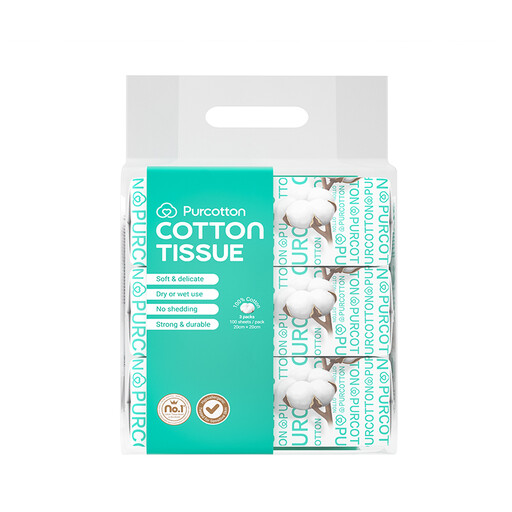
Why this fits the profile: The pack of 3 x 100 sheets is manageable for daily home use and offers a practical introduction to cotton wipes.
The composition and quantity are clearly stated: 100% cotton and 300 sheets. According to the product information, the wipe is intended for dry and wet use and is free from perfume, alcohol and fabric softeners.
20 × 20 cm per sheet, three separate packs and, according to the brand, OEKO-TEX STANDARD 100 certification.
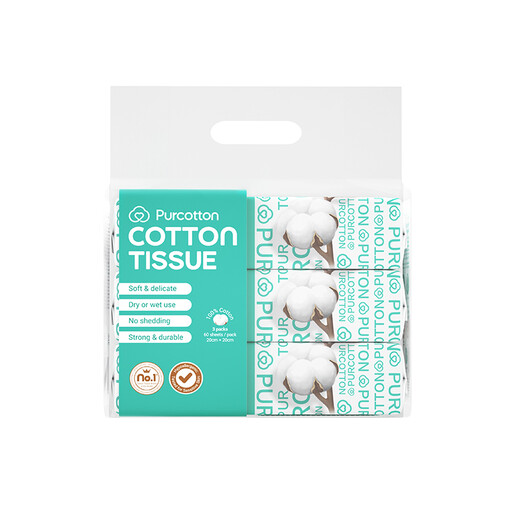
Why this fits the profile: This model suits those who value a cotton composition, a large sheet and clear information about facial use.
The information states 20 × 20 cm as the size and describes dry and wet use. According to Purcotton's own product information, the wipe contains no perfume, alcohol, fluorescent brighteners or fabric softener.
100% cotton according to the product listing, 180 sheets divided into 3 packs and suitable for facial cleansing and make-up removal.
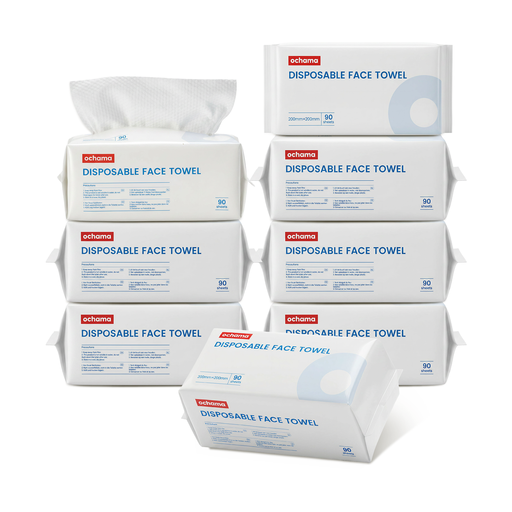
Why this fits the profile: The pack of 8 x 90 sheets is aimed at families and intensive daily use. The pearlised texture can be practical for drying or moistening with water.
The product lists the material as viscose and lyocell and separately indicates dry and wet use. The packaging is divided into eight packs, so not all wipes are open at once.
720 sheets, unscented according to the product information and featuring a pearlised texture. Store the packs in a dry place and do not flush.
We have compiled a full, up-to-date list of products that fully meet these strict selection criteria and comply with current European safety regulations.
This varies from person to person. Look at the composition and avoid products with perfume or alcohol if you prefer not to use those ingredients. Purcotton states in its own product information that its cotton wipes have been tested for sensitive skin and are OEKO-TEX STANDARD 100 certified. This is not a guarantee for every user. Stop if irritation occurs and consult a doctor if necessary.
For the selected products, wet use is mentioned. Moisten the wipe with water and check that the material does not tear during use. A dry wipe is not automatically the same as a pre-moistened cleansing wipe.
That depends on frequency of use, packaging and waste disposal costs. Disposable wipes save on washing and are convenient on the go, but they generate waste with each use. If you use a wipe daily at home, a reusable cotton alternative to flannels may be more attractive financially and in terms of waste. Therefore, compare the price per sheet and the expected lifespan of use.
