
Vandaag of morgen in huis

Kwaliteit gegarandeerd

Welkomstaanbiedingen ontgrendelen: GRATIS bezorging | Tot 80% korting | Gratis 30 dagen JoyPlus-proefperiode
Download de app
Disposable face towels are handy after cleansing, when removing make-up or whenever you would rather not use a regular towel while out and about. However, many variants look more alike than they actually are in practice. A small pack can soon run out, a towel may be too thin for wet use and a rough texture can feel uncomfortable.
As a Joybuy Product Recommendation Officer, I filter the key product information in a practical way. This helps you see which features matter and which marketing terms are worth checking before you place an order.
A pack containing hundreds of sheets is not automatically better value. Always check:
A bulk pack of disposable face towels is particularly practical for families or everyday use. For occasional use, a smaller pack can help prevent waste.
Words such as soft, skin-friendly and extra absorbent are only useful when the product description also specifies the material, dimensions and texture. Look out for cotton, viscose, lyocell or plant-based non-woven fibres, for example. The number of layers and the weight per square metre can also make a difference.
According to ochama’s product description, the 200-sheet variant weighs 65 g/m² and each sheet measures 180 × 200 mm. These are verifiable details that tell you more than simply describing a product as “thick”.
Not every disposable towel is the same as a wet cleansing wipe. Some products are supplied dry and need to be moistened with water first. Others are already impregnated, such as certain make-up remover wipes.
Also check the disposal instructions. The disposable face towels mentioned here are not designed to be flushed down the toilet. Put used towels in the bin, even if you have used them wet.
Cotton face towels generally feel different from towels made from viscose, lyocell or other plant-based non-woven fibres. Cotton may appeal to anyone looking for a natural material. Non-woven towels are often designed as larger sheets for drying or cleansing the whole face.
For smaller tasks, such as applying toner or touching up eye make-up, cotton pads are more practical. When choosing a cotton pad, check whether it is made from 100% cotton and whether the edges are securely finished. If you are sensitive to fragrances, you may prefer a variant whose product information does not mention perfume. This does not guarantee that everyone will tolerate the product without problems; stop using it if irritation occurs.
Dry and wet face towels are more versatile, but check how the product is intended to be used. A dry sheet moistened with water has different properties from a pre-moistened cleansing wipe.
Look out for the following:
For everyday drying, larger disposable face towels are often more convenient than small cotton pads. For removing make-up, a softer, smaller pad may be sufficient.
An open pack in a damp bathroom can absorb dust or moisture more quickly. Store dry and wet face towels according to the instructions on the packaging, preferably in a cool, dry place. A resealable pack or individual travel pack is useful for sports, holidays and commuting.
Also pay attention to the difference between “pieces” and “pulls”. One pull may consist of several layers. So compare the information on the packaging rather than relying solely on the large numbers shown in the product title.
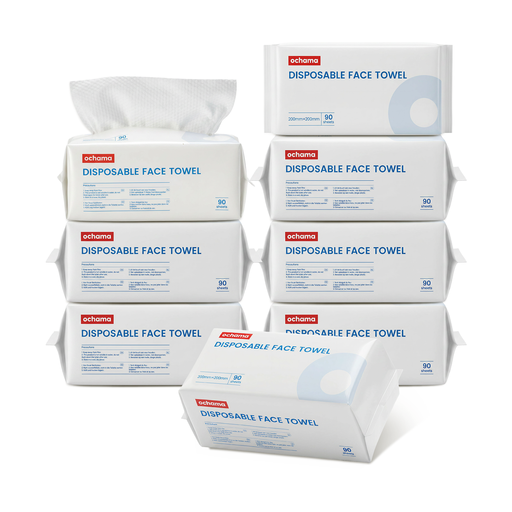
Why it suits this profile: The pack contains 8 packs of 90 sheets and is suitable for families who want to combine dry and wet cleansing.
The total quantity and number of packs are clearly stated. According to the product information, the towels are not flushable.
720 sheets, a pearl texture, fragrance-free according to the product information, and suitable for dry or wet use.
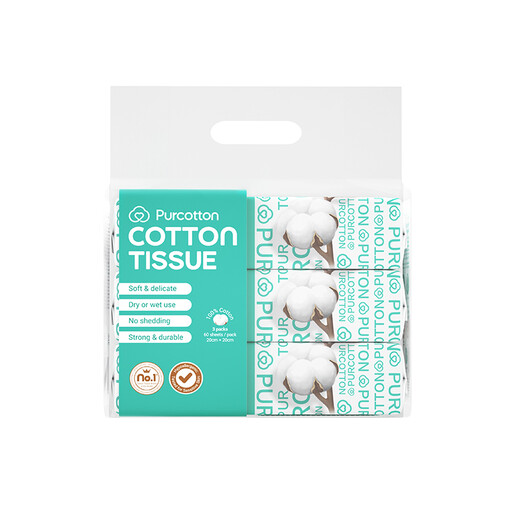
Why it suits this profile: Anyone specifically looking for 100% cotton for everyday facial care gets three packs containing 180 sheets in total.
The product description specifies the material, dry and wet use, and the absence of perfume, alcohol and plasticisers.
100% cotton according to the product details, measuring 20 × 20 cm and suitable for dry or wet use.
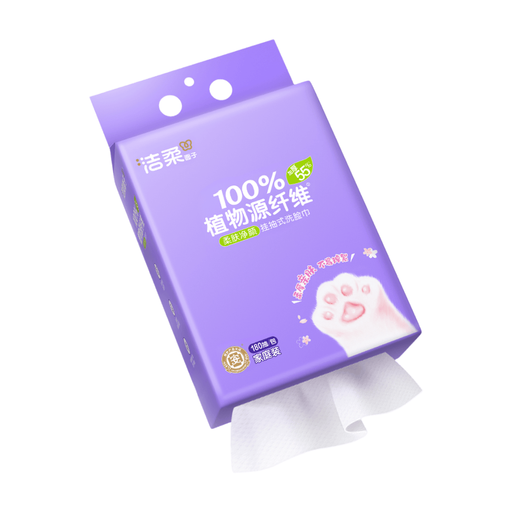
Why it suits this profile: The large sheets can be used for the face and hands, when travelling or at the gym, and as reusable alternatives to flannels.
The product information specifies a sheet size of 20 × 18 cm and states that the towels retain their shape when wet.
180 sheets, hydro-entanglement/spunlace technology and, according to the description, low-lint and absorbent.
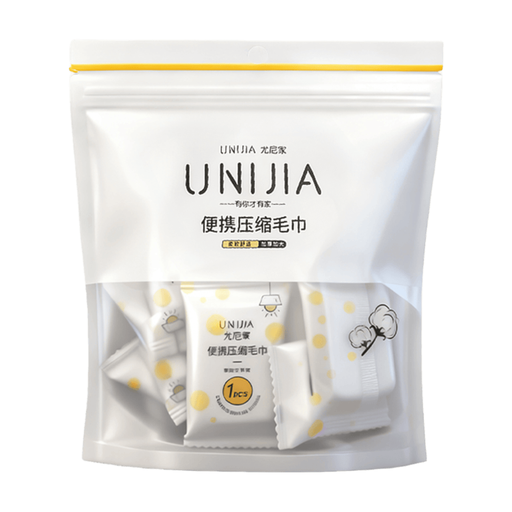
Why it suits this profile: The compact tablets take up very little space and expand when you add water.
You are not buying a large pack for occasional use. The instructions make it clear that water is needed to activate the towel.
20 compressed tablets, measuring 30 × 24 cm when unfolded, and plant-based non-woven fibres according to the product description.
We have put together a complete, up-to-date list of products that fully meet these strict selection criteria and the applicable European safety regulations.
That depends on the product. Some dry variants can be used with water or a cleansing product. Others are specifically designed as facial cleansing wipes or make-up remover wipes. Check the instructions for use and avoid rubbing hard around the eyes.
Check the expiry or usage information on the packaging. Store dry towels in a cool, dry place and seal wet packs properly. Ideally, do not use an opened pack in a damp environment, such as directly next to the shower.
This does not depend solely on the word “cotton”. Look at the full composition, the production process, the packaging and how often you use the towel. A disposable towel cannot be reused; put it in the bin after use. If you want to use less packaging, compare a larger pack with a smaller travel size and pay attention to the actual amount of material per sheet.
