
Vandaag of morgen in huis

Kwaliteit gegarandeerd

Welkomstaanbiedingen ontgrendelen: GRATIS bezorging | Tot 80% korting | Gratis 30 dagen JoyPlus-proefperiode
Download de app
A disposable face towel is handy after cleansing your face, when travelling or if you’d rather not use a shared bathroom towel. However, disposable face towels, disposable facial wipes and face cleansing wipes can vary considerably in material, moisture level, size and packaging.
Attractive packaging tells you little about how a product performs day to day. Instead, look out for these three common pitfalls:
Dry wipes are designed to be used as they are or dampened with water. They’re useful for:
Check the size of each wipe, the number of sheets and how strong the material is when wet. A large wipe measuring around 20 × 20 cm gives you more surface area than a small travel wipe.
Wet facial cleansing wipes, make-up remover wipes and micellar wipes are pre-moistened. They’re particularly handy when you want to remove make-up, sunscreen or everyday grime quickly.
The formula varies from product to product, so check the ingredients, fragrances and instructions for use. If a brand claims a product is suitable for sensitive skin, dermatologically tested or able to remove waterproof make-up, treat this as a claim made by the brand. For example, NIVEA’s product description states that its Sensitive wipes are dermatologically and ophthalmologically approved. This is information from the brand, not a general guarantee for every user.
Many disposable face cloths are made from non-woven fibres, cotton, viscose or lyocell. According to product information, a spunlace or hydroentangled structure can help create a cohesive wipe that’s less likely to fall apart when wet.
Check the exact description:
A claim such as ‘biodegradable’ also doesn’t mean you can flush the wipe down the toilet. Product information for several models specifically says: do not flush.
For everyday use, the number of sheets in a pack is at least as important as the price. Divide the price by the number of wipes to compare the cost per use.
A useful guide:
Check the size too. A 20 × 20 cm wipe is suitable for your face, while a compressed wipe can become much larger when water is added.
A dry cotton face wipe is versatile: you decide how much water or cleansing product to use. A pre-moistened wipe is quicker, but the pack needs to reseal securely to help prevent the wipes from drying out.
If you have sensitive skin, it’s a good idea to read the ingredients list first. ‘Soft wipes for sensitive skin’ isn’t a universal guarantee. Stop using them if irritation occurs, and avoid direct contact with your eyes unless the instructions say otherwise.
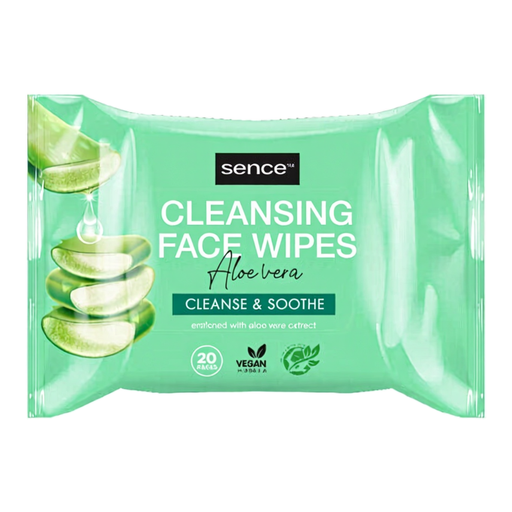
Why it suits this profile: A small pack of 20 pre-moistened wipes is a manageable option if you want to try them first or remove make-up now and then.
The pack clearly states the number of wipes and can be resealed. Check the full product information if you want to avoid fragrances or specific ingredients.
20 pre-moistened wipes, micellar technology according to the product description, and a resealable pack.
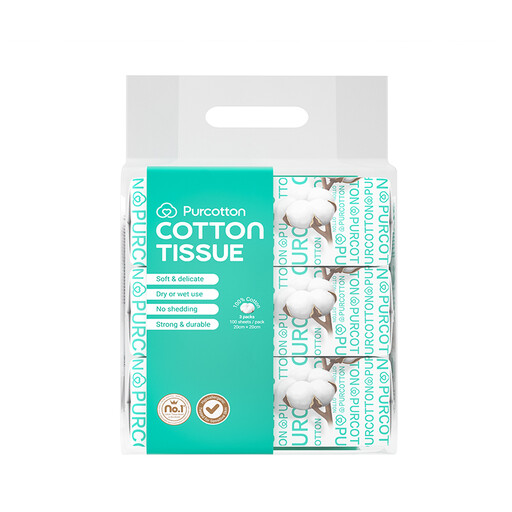
Why it suits this profile: This set of 300 sheets is suitable for everyday use and for shoppers specifically looking for cotton face wipes.
The product information lists the material, dimensions and total number of sheets, making it easier to estimate how long your supply will last and how much you’ll use each time.
300 sheets, made from 100% cotton according to the product description, and suitable for dry and wet use.
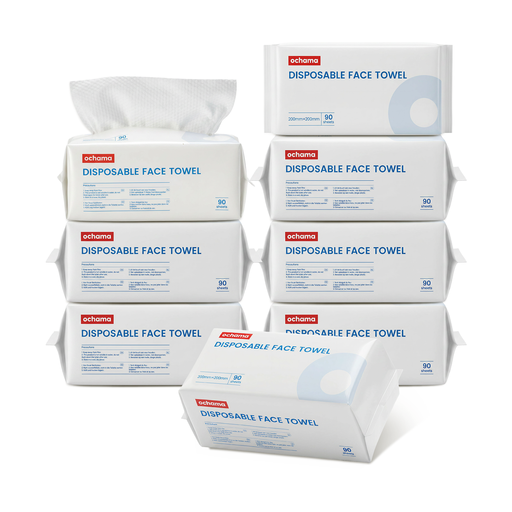
Why it suits this profile: The bulk pack of 8 packs is designed for families, salons or frequent daily use.
The total of 720 sheets and the 90 sheets per pack are clearly stated. Store unopened packs in a dry place and put used wipes in the bin.
720 sheets, a pearl-textured surface according to the product description, and suitable for both dry and wet use.
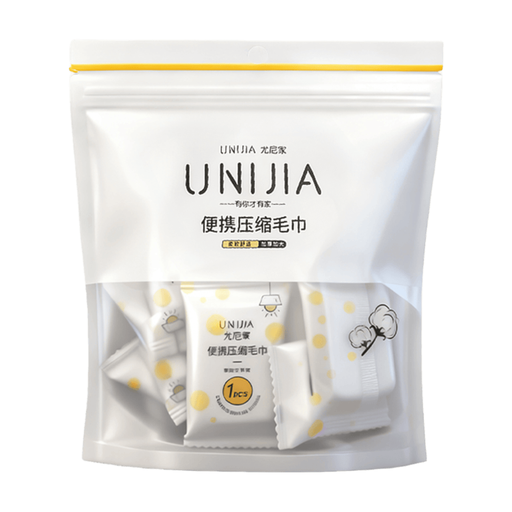
Why it suits this profile: The compact tablets take up little space, making them practical for hand luggage, a gym bag or outdoor sports.
You won’t have wet wipes that could dry out on the go. According to the product description, you only add water when you need a wipe.
20 compressed tablets and an unfolded size of 30 × 24 cm according to the product information.
We’ve put together a complete, up-to-date list of products that meet these strict selection criteria and the applicable European safety requirements.
It depends on the material and the instructions for use. You can use dry wipes to dry your face or cleanse it with water. Wet wipes are designed for a quick cleanse, but don’t always replace a complete cleansing routine. Check the ingredients and stop using them if irritation occurs.
Follow the use-by date and the period-after-opening guidance on the pack. Reseal the pack immediately after use and store it somewhere cool and dry. If the wipes have dried out, changed colour, smell unusual or feel different, don’t use them.
No. Even if a wipe is described as soft, plant-based or biodegradable, it belongs in the bin unless the packaging specifically says otherwise. The product information for the disposable wipes mentioned recommends not flushing them, to help prevent blockages.
