
Vandaag of morgen in huis

Kwaliteit gegarandeerd

Welkomstaanbiedingen ontgrendelen: GRATIS bezorging | Tot 80% korting | Gratis 30 dagen JoyPlus-proefperiode
Download de app
An ordinary towel may seem cheap, but it stays damp after use and isn’t always washed straight away. That’s why more and more households are turning to disposable face towels for daily cleansing, make-up removal, travel or use at the gym. However, not every disposable towel is automatically suitable for every face.
Marketing terms like “extra soft”, “natural” or “super absorbent” don’t tell you much without concrete specifications. Pay close attention to the material, the size, the number of sheets and how you intend to use the towel. That way, you can avoid a cloth that sheds lint, is too small or falls apart when wet.
A bulk pack may look like good value, but the number of sheets doesn’t tell the whole story. Also check the size of each sheet and whether one towel is enough for your routine. A pack of 720 small sheets can work out very differently in practice from a pack of 180 larger towels.
So compare:
Some disposable face towels are made from 100% cotton, while others are made from viscose, lyocell or plant-based non-woven fibres. These are different materials with different structures and moisture absorption.
According to the product description from Purcotton, the towels in question are made from 100% cotton. With ochama × J.ZAO, viscose with lyocell fibre is listed. C&S mentions plant-based fibres and spunlace technology. This information is more verifiable than a general claim like “natural softness”.
A towel that feels pleasant on dry skin may not stay strong when you wet it. For dry and wet face towels, it’s therefore important that the manufacturer clearly states how the product should be used.
For make-up removal, you can moisten a dry towel with water and, if you like, add your usual cleansing product. Use a fresh towel for drying. Don’t flush used towels down the toilet: the product information for the models mentioned advises disposal in the bin.
First, look at the composition. 100% cotton may suit users who specifically want a cotton face towel. Viscose, lyocell and other plant-based fibres can also be soft and absorbent, but they don’t feel the same.
An embossed or pearl texture can give the towel more surface area. That can be practical for removing make-up or absorbing water, but a texture is no guarantee of a pleasant experience on every skin type. Stop using the product if you experience redness, itching or irritation.
Also look out for additives. The Purcotton product description states no perfume, alcohol, fabric softener or fluorescent whiteners. For sensitive skin, a simple composition can be a practical selection point, without any medical effect being claimed.
A size around 20 × 20 cm offers enough surface area for the face and is easy to fold. Larger towels, such as 30 × 70 cm, are more suitable as a face towel, body towel or travel towel.
If you mainly want to absorb water, look for terms like “absorbent” as well as the technical information. For the ochama × J.ZAO model with 200 sheets, a weight of 65 g/m² is stated. That gives a more concrete idea of the thickness than just “extra soft”. For other products, the number of layers isn’t always included in the summary, so check the actual label.
A single pack is handy for a bag, hotel stay or gym bag. A multi-pack is better suited to daily use in a family home. A dispenser or hanging pack can also help prevent unused sheets from sitting in a damp bathroom.
Store disposable face towels in a dry place, out of direct sunlight and away from water sources. Seal the pack properly after use. The product is intended for external use only and is not a medical device.
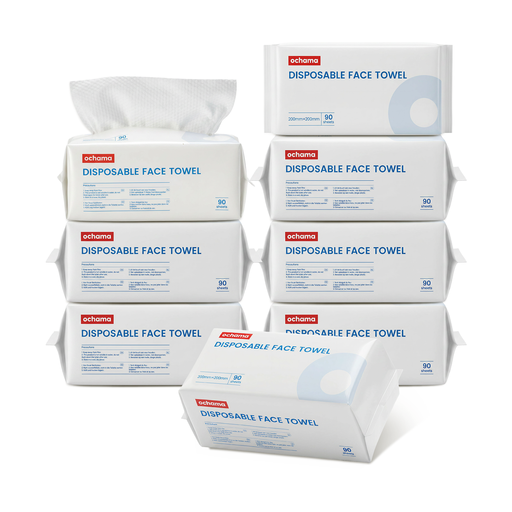
Why this fits the profile: Eight packs of 90 sheets provide a stock for daily use in a household. According to the product description, the towels can be used dry or moistened.
The total of 720 sheets makes it easier to compare the price per sheet. The packaging lists viscose plus lyocell fibre and a pearl texture.
720 sheets, eight individual packs, unscented according to the product information and suitable for dry and wet use.
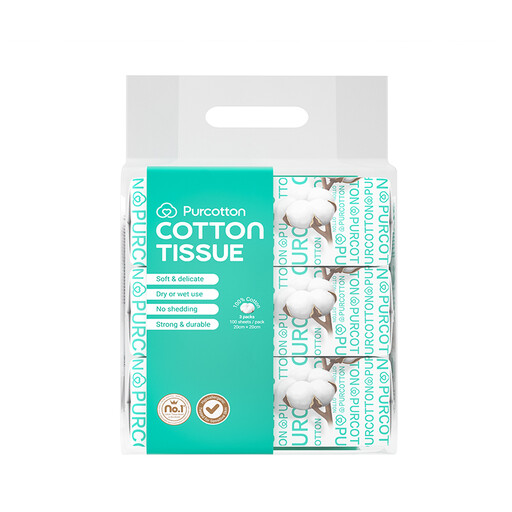
Why this fits the profile: This is a clear choice for anyone specifically looking for 100% cotton and a composition free from perfume, alcohol and fabric softener.
The material composition and dimensions of 20 × 20 cm are stated. That means you don’t have to infer “cotton” from the product title alone.
100% cotton, 300 sheets in three packs and, according to the product description, suitable for dry and wet use.
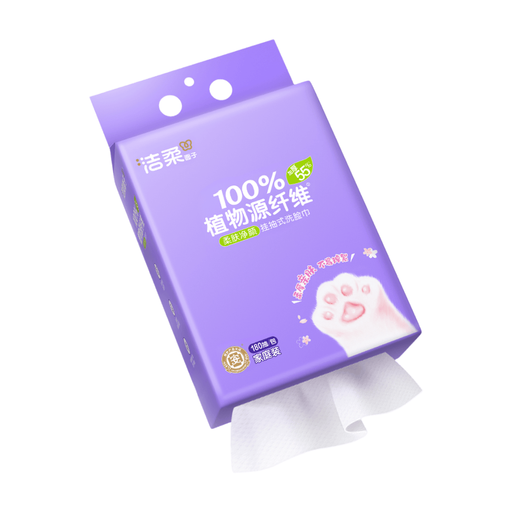
Why this fits the profile: The single pack of 180 sheets and the size of 200 × 180 mm suit frequent use at home, in a gym bag or while travelling.
The product information mentions material, technique, dimensions and usage. It also states that the towel holds its shape when used wet.
180 sheets, spunlace technology, large sheet surface area and a product description that mentions soft, lint-free and absorbent material.
We’ve put together a full, up-to-date list of products that fully meet these strict selection criteria and comply with current European safety regulations.
Yes, as long as the product description mentions wet use and make-up removal. Moisten the towel with water and, if you like, add your usual cleansing product. Avoid direct contact with the eyes and use a fresh sheet for drying after cleansing.
The shelf life varies by product. Purcotton states a validity of three years from the production date; C&S also states three years for several models. Always check the packaging and store the towels in a cool, dry place. After opening, it’s a good idea to keep the pack tightly sealed.
That depends on the price per sheet and how often you do laundry. A bulk pack can lower the cost per use, while cotton face cloths are reusable but require water, detergent and drying time. Compare the price per use with your routine. A reusable alternative face towel may also suit those who want to produce less waste.
