
Vandaag of morgen in huis

Kwaliteit gegarandeerd

Welkomstaanbiedingen ontgrendelen: GRATIS bezorging | Tot 80% korting | Gratis 30 dagen JoyPlus-proefperiode
Download de app
Disposable face towels are handy after cleansing your face, when removing make-up, or if you’d rather not reuse a damp towel. However, disposable face cloths vary greatly in material, size, moisture resistance and packaging. A low price per pack doesn’t always reflect the cost per use.
For families, parents and those with sensitive skin, three key pitfalls are worth noting:
Cotton face cloths generally feel different from cloths made of viscose or lyocell. 100% cotton is a clear material declaration, whereas “cotton-like” or “soft as cotton” doesn’t describe the full composition. For soft face cloths used daily, it’s wise to also look for:
A certification or test mention should be read as product information from the manufacturer or certifying body. It is not a guarantee that every skin type will react the same way. Stop using if irritation occurs.
Dry and wet face cloths are practical if you want one product for multiple situations. A dry cloth can be used to pat your face dry. For wet use, moisten the cloth with clean water or use a pre-moistened version.
Note the difference:
A cloth that falls apart when wet is inconvenient and can lead to higher consumption. Products with a non-woven structure, spunlace technology or explicitly stated wet tensile strength provide more information on this point than general terms like “premium”.
A size of around 20 × 20 cm offers more coverage than a small cloth for on the go. For daily use, the number of sheets per pack also matters. A multipack can be handy for multiple bathrooms or a family, but compare the price per sheet rather than just the price per pack.
Also check:
For baby face cloths and face cloths for sensitive skin, a compact pack for a nappy bag or travel use is sometimes more practical than a large bulk pack.
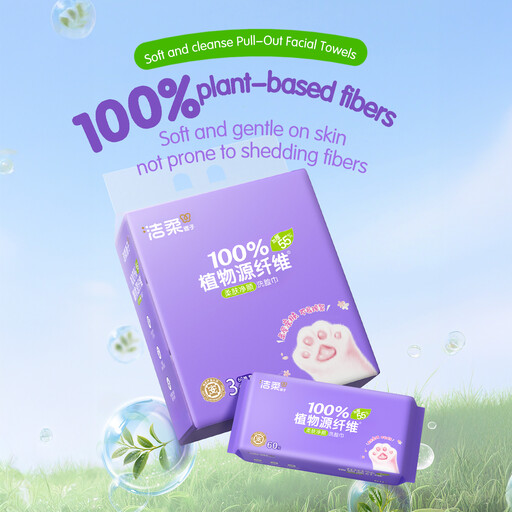
Why it fits this profile: The pack contains three packs of 60 sheets each, so you can split the supply between home, travel or your gym bag.
The product information states a total of 180 sheets and a size of 200 × 200 mm, so you can compare quantity and dimensions in advance.
Plant-based non-woven material, spunlace technology and a large sheet for face cleansing or make-up removal.
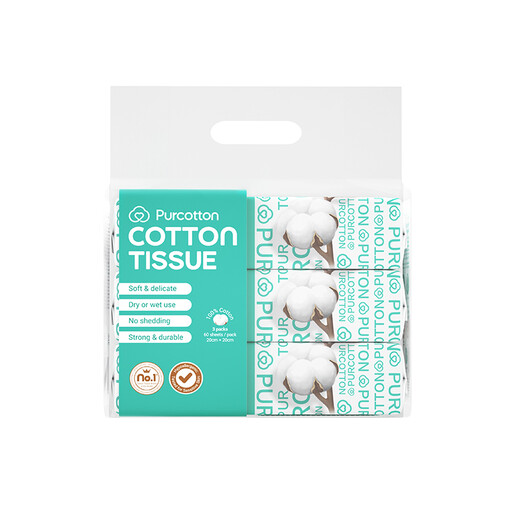
Why it fits this profile: This is a logical choice if a clear composition, dry and wet use, and information about sensitive skin are top priorities.
The manufacturer states 100% cotton, fragrance-free, alcohol-free and plasticiser-free material, and suitability for dry and wet cleansing.
180 sheets in three packs, 20 × 20 cm and, according to the manufacturer, OEKO-TEX STANDARD 100 certified.
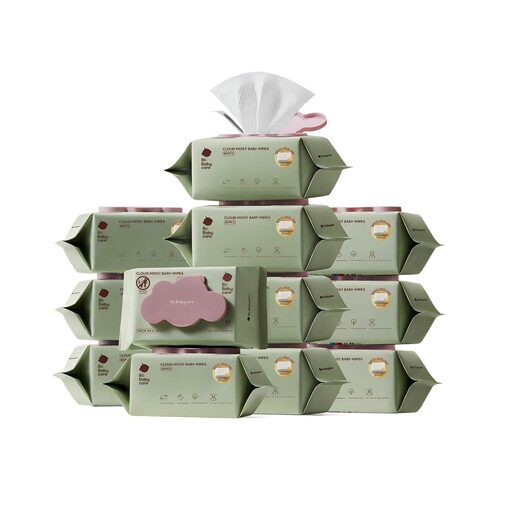
Why it fits this profile: A large pack of wet wipes is practical for families, baby care, on-the-go use and situations where water isn’t immediately available.
The product description mentions 99% purified water, no fragrance and a resealable pack. The wipes are for single use and not flushable.
960 wipes, fragrance-free and, according to the product information, made from plastic-free, plant-based fibres.
Reusable and disposable face cloths each have a different usage profile. Cotton face cloths can be washed and reused, but they need to be rinsed thoroughly after each use and dried completely. Otherwise, moisture and residue linger longer in the fabric.
Disposable options provide a fresh, clean cloth for each use and are handy for travel, sleepovers, baby care or a household with multiple users. The trade-off is more waste. If you’re looking for plastic-free face cloths, check whether the cloth is actually described as plastic-free and still dispose of it in general waste after use. “Biodegradable” does not mean it is safe to flush down the toilet.
We’ve put together a full, up-to-date list of products that fully meet these strict selection criteria and comply with current European safety regulations.
Only when the product description allows wet use. For dry cloths, you add clean water yourself. Do not reuse a wet cloth and never flush it down the toilet.
The shelf life is stated on the packaging. After opening, cloths can dry out more quickly, especially if the lid doesn’t close properly or the pack is kept in a warm, damp bathroom. Store them in a cool, dry place and close the pack immediately after use.
That depends on the material and the formula. Choose an unscented version where possible and check the ingredients or fibre specification. Product claims such as “suitable for sensitive skin” come from the brand; if you experience redness, itching or irritation, stop using.
