
Vandaag of morgen in huis

Kwaliteit gegarandeerd

Welkomstaanbiedingen ontgrendelen: GRATIS bezorging | Tot 80% korting | Gratis 30 dagen JoyPlus-proefperiode
Download de app
Disposable face towels are handy for facial cleansing, removing make-up, baby care and use on the go. They save you from having to wash a used cotton towel every time and offer a practical solution for the bathroom or office, or while travelling. However, not all facial wipes are the same. Material, size, packaging and instructions for use determine whether a product really fits into your routine.
A bulk pack may seem like good value, but the number of sheets means little without considering the size and thickness. A small sheet can be less practical for drying your face than a wipe measuring 20 × 20 cm. So don't just compare the total number of pieces, but also:
A bulk pack of facial wipes is particularly worthwhile if you use the product daily and have enough dry storage space.
Soft wipes for sensitive skin may feel pleasant, but a marketing claim is no guarantee for every user. Pay attention to the listed raw materials and additives. Fragrances, alcohol, lotions or fabric softeners can be undesirable for some people. According to the product information from certain brands, some wipes are fragrance-free or free from specific additives. Always check the packaging and stop using them if irritation occurs.
Dry and wet facial wipes are not automatically the same as moist wipes. Some disposable wipes can be moistened with water, while others are intended for dry use. When removing make-up, you may want to use a cleanser suitable for your skin. Dispose of used wipes in the bin: these products are generally not flushable, even when wet.
Commonly used materials are cotton, viscose, lyocell fibre, wood pulp and bamboo pulp. 100% cotton feels soft according to the product description from Purcotton and is intended for both dry and wet use. Other wipes combine viscose and lyocell fibre, or are made from wood or bamboo pulp.
If the product comes into frequent contact with your face, choose one whose composition is clearly stated. Also look out for:
A certificate says something about the relevant product or material testing, but does not replace your own assessment of skin comfort.
A sheet of around 20 × 20 cm offers more surface area for facial cleansing than a small pocket tissue. For single use on the go, compact packs are more convenient. A 4-ply pocket tissue may be suitable for hands, nose or small mishaps, but is not always designed as a face towel.
Absorbency is especially relevant for wet use and patting the face dry. A textured or pearlised surface can, according to the product description, help absorb moisture and remove make-up residue. This is a product feature, not a medical effect.
Individually wrapped tissues remain practical in a handbag, nappy bag, car or suitcase. A dispenser pack with 90 sheets is better suited to the bathroom or a washbasin. Store all facial wipes in a cool, dry place, away from moisture. An opened pack in a damp bathroom can lose its practical quality more quickly.
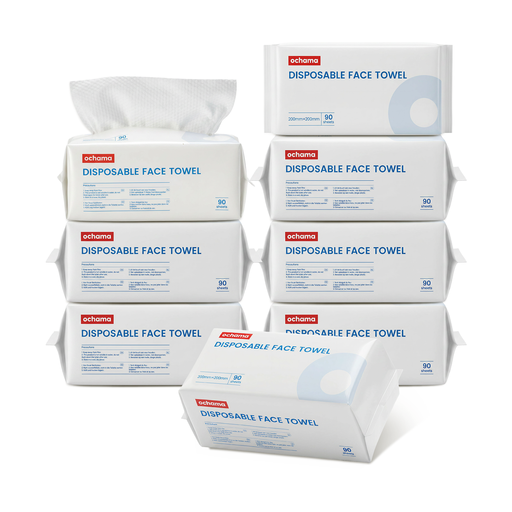
Why this fits the profile: The pack contains 720 sheets, divided into 8 packs of 90. That's practical for a household that uses facial wipes daily.
The total number of sheets and the distribution per pack are clearly stated. According to the product information, the wipes are intended for both dry and wet use.
720 sheets, pearlised texture and a fragrance-free version according to the product information.
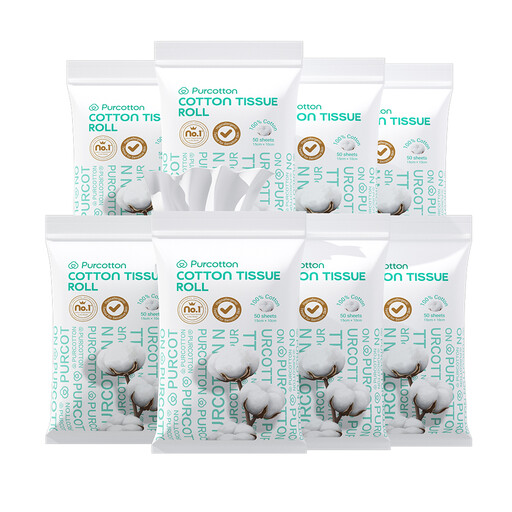
Why this fits the profile: The travel size is aimed at people who want to take compact, individually wrapped cotton facial wipes in their bag or suitcase.
The product information states 100% cotton, dry and wet use, and the absence of fragrance, alcohol and fabric softener. Check these details on the packaging.
400 sheets in 8 packs, with 50 sheets per travel pack; OEKO-TEX STANDARD 100 is mentioned according to the product information.
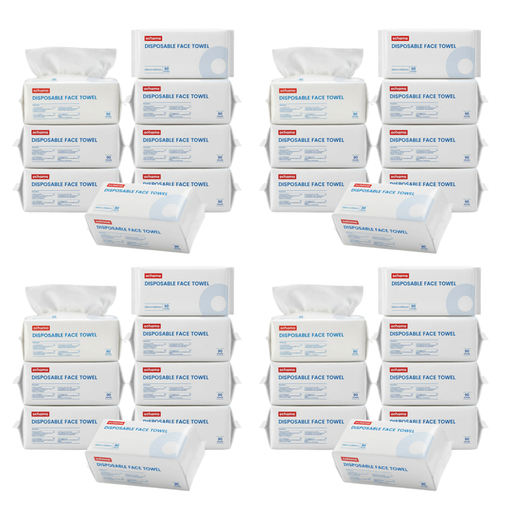
Why this fits the profile: The extra-large supply is tailored to families, shared use and a daily facial cleansing routine with high consumption.
The pack consists of 32 packs of 90 sheets. This means part of the stock remains sealed, rather than everything being exposed to moisture at once.
2880 sheets, a pearlised texture and wipes that, according to the product information, are suitable for both dry and wet use.
Cotton face cloths are washable and can produce less waste in the long run, but they do require washing and thorough drying. Washable alternative face cloths therefore suit consumers who value reusability.
When you're on the go, pocket tissues for travel or travel tissues are often more practical than large face towels. With pocket packs, pay attention to the number of sheets, the number of plies and the packaging per bundle. At home, in the office or at the dining table, boxed facial tissues with multiple plies can be a logical choice.
Baby wipes for dry use are not automatically suitable as face towels. Always check the age indication, ingredients and instructions for use. Do not use a product as medical gauze, a chemical cleaning cloth or a substitute for a specific baby care product if the manufacturer excludes such use.
We have compiled a full, up-to-date list of products that fully meet these strict selection criteria and current European safety regulations.
That depends on the material and the instructions for use. A sturdy wipe that can be used both dry and wet can be practical in combination with water or a suitable cleanser. Do not rub hard on the skin and avoid contact with the eyes.
Store unopened packs in a cool, dry place. Seal opened packs properly and do not place them directly next to a wet washbasin or in a damp shower environment. Dispose of used wipes in the bin and not in the toilet.
A bulk pack can lower the price per sheet, but only if you use the wipes regularly and can store them dry. Compare the price per 100 sheets, the size and the material thickness. This way you avoid a large number of small or thin wipes turning out to be less practical in the end.
