
Vandaag of morgen in huis

Kwaliteit gegarandeerd

Welkomstaanbiedingen ontgrendelen: GRATIS bezorging | Tot 80% korting | Gratis 30 dagen JoyPlus-proefperiode
Download de app
Disposable face towels are handy for facial cleansing, make-up removal, travel and personal care. Yet many products look similar, while the differences in material, size and use can be quite significant. A thin cloth, for example, may be nice and compact, but less suitable for thorough drying. And a moist cleansing wipe is different from a dry face towel that you use with water yourself.
Words like “ultra-soft”, “skin-friendly” or “hypoallergenic” only mean something when you know which material, size and use they refer to. So always check the product description. Does it say, for example, 100% cotton, viscose or non-woven material? And is the cloth dry, already impregnated, or suitable for use with water?
Claims about suitability for sensitive skin come from the brand or seller and are not a guarantee for every user. According to Purcotton’s product information, their cloths are intended for sensitive skin and are free from perfume and alcohol. Always check the actual packaging and ingredients list.
Disposable washcloths and disposable face towels are not always the same thing. A large cloth of around 30 × 70 cm is practical after a shower or during a sports day, but may be awkward for removing make-up. For daily use on the face, sizes around 20 × 20 cm to 30 × 25 cm are often easier to handle.
A pack with lots of cloths may seem good value, but also pay attention to the size and thickness. A pack of 200 small sheets can work out very differently in practice from 50 larger disposable washcloths. Divide the price by the number of usable cloths and check whether one sheet absorbs enough for your routine.
For the face, a smooth, soft texture and low lint are important points to consider. Many products use:
A larger cloth offers more surface area, but also takes up more space. By the sink, compact soft cleansing cloths are practical. For travel, compressed towels can be a solution: they take up little room and expand as soon as you wet them with water.
Look for concrete details such as dimensions, gram weight, number of sheets and whether it is a dry or wet cloth. At ochama, for example, a weight of 65 g/m² and a size of 18 × 20 cm are stated. These are verifiable facts; the description “extra soft” remains a claim from the product supplier.
For removing make-up, moist cleansing wipes are ready to use straight away, but always check the ingredients and warnings. According to the product information, Sence Aloe Vera wipes contain micellar technology and are intended to remove make-up and impurities. The same information also states that they are not labelled as alcohol-free, hypoallergenic or pH-neutral.
Dry disposable face towels offer more choice: you can use them with water, a cleanser, or dry. They are also easier to store without the packaging drying out.
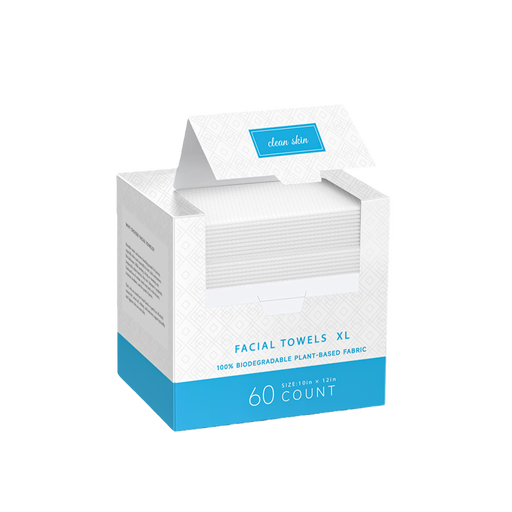
Why this fits the profile: A neat pack of 60 cloths for daily use at the sink or on a short trip.
The number of sheets and size of 30 × 25 cm are clearly stated, so you are not relying solely on a general softness claim.
According to the product description: 100% plant-based viscose, pearl texture and a paper box.
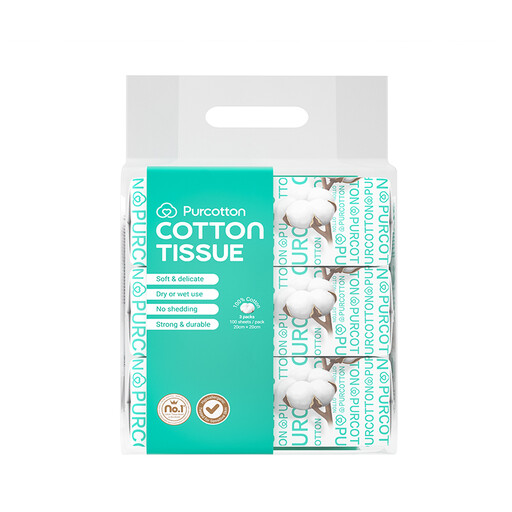
Why this fits the profile: Ideal for those who value material choice, wet and dry use, and a larger supply.
The product information explicitly mentions 100% cotton, dimensions and quantities per pack; therefore the composition is verifiable.
According to Purcotton: free from perfume, alcohol and softeners; suitable for dry and damp use. Do not flush.
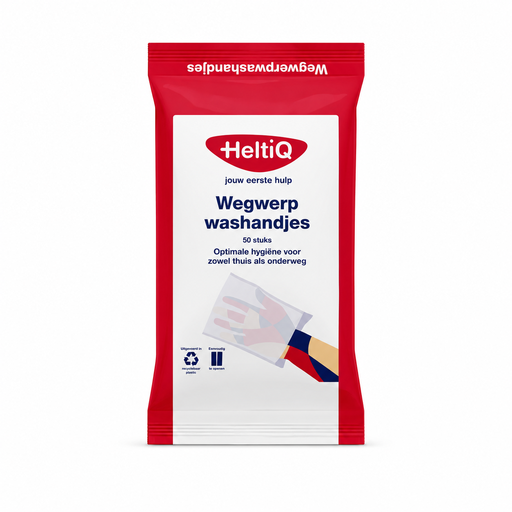
Why this fits the profile: Practical for caregiving, families, camping, sport and situations where you want to clean your face or body quickly.
These are dry, non-impregnated washcloths. So you decide whether to use water and you won't confuse them with moist face wipes.
One pack contains 50 pieces; the product description mentions a large size and use for hands, feet and body.
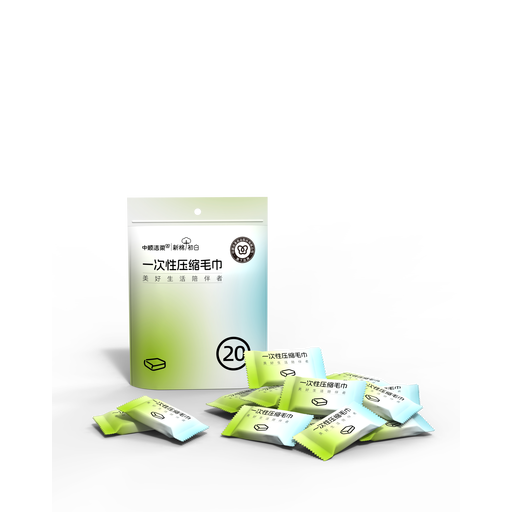
Why this fits the profile: Handy for hand luggage, festivals, camping, the gym and business trips where storage space is limited.
The compact tablet format makes the difference between travel towels and ordinary cloths clear. Water is needed before you can use the cloth.
According to the product information: 20 tablets, plant-based fibres and an unfolded size of 24 × 30 cm.
We have compiled a full, up-to-date list of products that fully meet these strict selection criteria and current European safety regulations.
Use dry cloths with water or a cleanser if the packaging allows. Do not rub hard on the skin, especially around the eyes. Stop if irritation occurs and check the warnings on the packaging. Disposable face towels and moist wipes belong in general waste, unless local waste rules state otherwise. Do not flush them down the toilet, even if they are labelled as biodegradable.
Reusable and disposable towels each have their place. Reusable cotton face cloths save on disposable use, but must be washed and dried properly after use. Disposable versions are especially practical when washing is not possible or when you want a clean cloth for every use.
That depends on the product. Dry cloths can be used with water or a cleanser. Facial cleansing wipes are already moist and contain a formula. Check the ingredients, size and warning about contact with the eyes. Not every disposable washcloth is designed for make-up.
Dry cloths usually do not have a short use-by date after the packaging is opened, but moisture, dust and heat can affect quality. Store them sealed in a dry place. With moist wipes, follow the expiry date and the period after opening stated on the packaging.
That varies depending on how often you use them. Compare the price per cloth and take into account detergent, water, energy and time for reusable towels. For daily use, cotton may be more cost-effective; for travel, sport or caregiving, the convenience of single use may outweigh the cost.
