
Vandaag of morgen in huis

Kwaliteit gegarandeerd

Welkomstaanbiedingen ontgrendelen: GRATIS bezorging | Tot 80% korting | Gratis 30 dagen JoyPlus-proefperiode
Download de app
Disposable face towels are handy after washing, when removing make-up, or when you’re on the go and don’t want to use a regular towel. Yet many packs look very similar. The difference often lies in the material, the dimensions, the pack size, and whether a towel can be used dry or wet too.
Anyone who only looks at the number of sheets or a low price can end up with small, easily torn or awkward towels. With these checkpoints, you can compare disposable face wipes in a practical way.
A pack with hundreds of sheets may seem like good value, but also check the number of individual packs and the size per sheet. A bulk pack with several smaller packs is easier to distribute between the bathroom, bedroom and travel bag, for example. Also pay attention to the price per sheet rather than just the total price.
Words like soft, cotton-like or skin-friendly are not automatically a measurable quality grade. Look at the stated material and structure. An embossed or pearl texture can affect how a towel feels and absorbs moisture, but the experience varies from person to person.
For sensitive skin, it’s wise to choose unscented face wipes when that option is available. Always test a new product gently first, and stop using it if you experience redness, itching or irritation.
Not every dry towel is pre-moistened. Some face wipes for dry and wet use need to be dampened with clean water first. That can actually be handy: you decide how much moisture you use and don’t need any lotion or fragrance. Always check the instructions for use and dispose of used towels in the bin. Do not flush them down the toilet.
Check whether the product information mentions viscose, lyocell, non-woven fibres, cotton or another composition. The products featured in this guide use viscose and lyocell fibres or soft non-woven material. That gives you more information than a general term like “premium towel”.
A pearl texture can be relevant if you’re looking for a towel for light cleansing or make-up removal. However, do not rub vigorously around the eyes. A towel for personal care is not a medical device and does not replace gauze or any other specialised product.
Larger towels are more practical when you want to use one sheet for your face and hands. Examples in the range include:
Product information may mention high water absorption, but compare that claim with the fibres, thickness and dimensions. According to the product description of the ochama variant, it is intended to absorb liquid; that is a product specification, not an independent performance assessment.
For daily family use, a bulk pack can make sense. Check whether the pack consists of separate bags and whether the opening reseals properly. Store towels dry, out of direct sunlight and not for long periods in a damp bathroom. An open pack that becomes damp can be less pleasant to use.
For travel, sport or a sleepover, compressed face towels are compact. They take up little space, but you need water to unfold them. For a fixed spot at home, loose disposable face towels are usually quicker to grab.
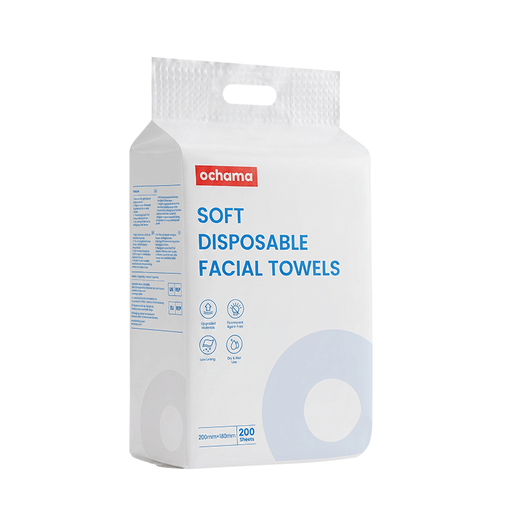
Why this fits the profile: A straightforward pack of 200 sheets is ideal for trying out disposable face towels without buying a very large stock straight away.
The product information states 200 sheets, a size of 180 × 200 mm and a weight of 65 g/m². This allows you to check the quantity and dimensions rather than relying solely on marketing language.
Can be used dry and wet; features a hanging hook and pull-out opening; intended for single use.
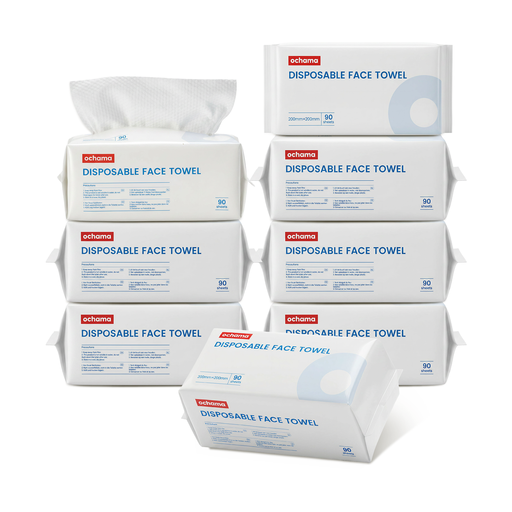
Why this fits the profile: The pack of 720 sheets, divided into eight packs of 90, suits households that want to build up a regular supply.
The composition is stated as viscose and lyocell fibre, and the towels have a pearl texture. The pack is unscented according to the product data.
720 sheets in eight separate packs; can be used dry and wet; suitable for facial cleansing, wiping and make-up removal according to the product description.
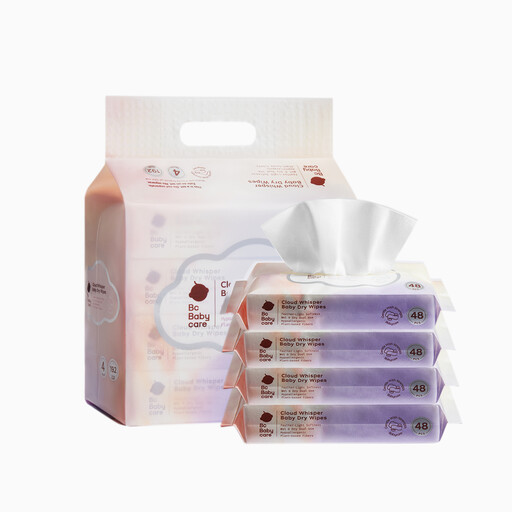
Why this fits the profile: The towels are 200 × 200 mm and, according to the product description, intended for dry and wet use by babies and adults with sensitive skin.
The description mentions plant-based viscose-lyocell fibres and no alcohol, parabens or fragrances. These are manufacturer claims; always check the current label at the time of purchase.
192 towels in four packs; suitable for dry use or dampening with clean water; do not flush.
For face and personal care, many households choose single-use because you don’t have to put a used cloth on a damp towel. For the kitchen and bathroom, a reusable option can be more practical.
Reusable cleaning cloths, such as microfibre cloths, are suitable for surfaces, glass and furniture. According to the product information, Cleany microfibre cloths are washed and reused. Use separate cloths per room to avoid spreading dirt unnecessarily.
For quick kitchen tasks, kitchen cleaning cloths or reusable kitchen rolls are handy. For the floor, there are dry floor cloth refills and pre-moistened variants. Always check with wet floor cloths whether your floor is suitable; some products are not intended for untreated, oiled or waxed wood, natural stone or carpet.
We’ve put together a full, up-to-date list of products that fully meet these strict selection criteria and comply with current European safety regulations.
That depends on the product description and how you use them. Towels that can be used dry and wet can be dampened with clean water. Do not apply force around the eyes and check whether you need a separate make-up remover for waterproof make-up.
Store unopened and opened packs in a cool, dry place, away from direct sunlight. Avoid placing them above the shower or next to a sink where they could constantly get wet. Close a resealable pack properly after use.
No. The disposable face towels and face wipes mentioned here should be disposed of in the bin after use. Flushing them can cause blockages. Always check the packaging for floor cloths and cleaning cloths too before throwing them away.
