
Vandaag of morgen in huis

Kwaliteit gegarandeerd

Welkomstaanbiedingen ontgrendelen: GRATIS bezorging | Tot 80% korting | Gratis 30 dagen JoyPlus-proefperiode
Download de app
Disposable face towels are handy after cleansing your face, removing make-up, when travelling, or when you’d rather not reuse a fabric towel straight away. Yet a soft pack doesn’t tell you everything. Some towels tear as soon as they get wet, others don’t absorb much moisture, or are packaged impractically for daily use.
With this buying guide, you can compare disposable face towels on verifiable points. That way, you’ll choose a size and material that suits your skin, your household and how you use them.
A towel can feel soft when dry, but fall apart when used with water or cleanser. That’s inconvenient when removing make-up and can leave fibres on your skin. So look at the product description: does it explicitly state that the towel is suitable for both dry and wet use? Does the seller mention that the material holds together when wet?
Marketing terms like natural, skin-friendly and hypoallergenic only have value when the material and product information is clear. Check whether the composition is stated, for example 100% cotton, viscose or lyocell. For claims about sensitive skin, it’s wise to look at any certification, fragrances and other added ingredients.
According to Purcotton’s product information, certain cotton face towels are free from fragrances, alcohol, fabric softeners and fluorescent whitening agents. The same information mentions an OEKO-TEX STANDARD 100 certification. These are product specifications from the brand and seller information; they don’t guarantee that every skin type will react without issue to the product.
A family pack with hundreds or thousands of towels may seem good value, but it takes up more storage space. In a damp bathroom, an opened pack can also be exposed to moisture more quickly. For travel, separate small packs are often more convenient. For daily family use, a large number of individual packs can actually offer a logistical advantage.
Cotton face towels generally feel soft and, according to some sellers’ product information, can be used both dry and wet. Purcotton lists 100% cotton as the main material. The brand also states that the material is biodegradable. Check the composition and local waste disposal instructions for each product individually; biodegradable doesn’t mean the towel can be flushed down the toilet.
Other soft face towels are made from plant-based non-woven fibres, such as viscose or lyocell. The ochama product with a pearl texture lists viscose plus lyocell. C&S describes plant-based non-woven fibre and spunlace technology. These materials can be suitable for wet use, but pay attention to the exact product specification and dispose of used towels in the general waste.
A cotton flannel or towel is reusable, but must be washed and dried thoroughly after each use. Disposable towels are particularly practical when hygiene, travel or quick clean-ups matter to you. They’re not a reason to automatically choose a disposable product for every use: also compare consumption and waste.
A size of around 20 × 20 cm offers enough room for your whole face and can also be used for drying your hands. Smaller travel packs of face towels, such as 15 × 10 cm, fit more easily into a wash bag but may require several towels per use.
An absorbent face tissue should take up moisture without tearing straight away. According to the product description, a pearl texture or embossing can help hold moisture and remove residue, but the effect varies by material. Also look at the towel weight or thickness when that information is available.
Don’t just compare the price of a pack, but also the price per towel. Look at:
For baby care or sensitive skin, dry and wet face towels without added fragrances are often practical, because you can add water yourself. Only use a product for what the packaging states it’s suitable for. A face towel is not medical gauze and doesn’t replace a specific baby care product when that’s needed.
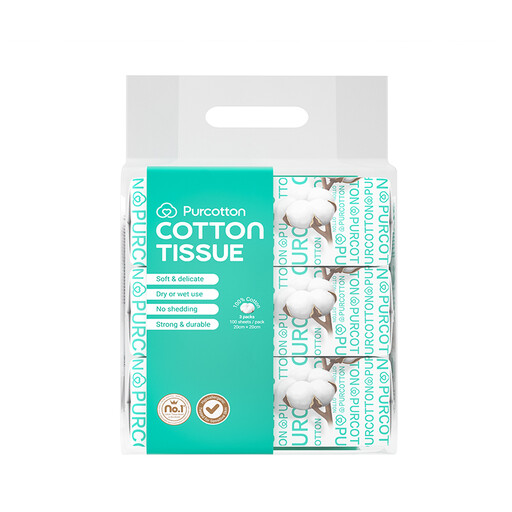
Why this fits the profile: The pack contains 300 sheets, split across three packs. That’s manageable for daily face cleansing, make-up removal or a first introduction to cotton towels.
The number of packs and sheets is clearly stated. According to the product information, the towel is suitable for dry and wet use and contains 100% cotton.
300 sheets, three individual packs, 100% cotton and a size of 20 × 20 cm according to the product description.
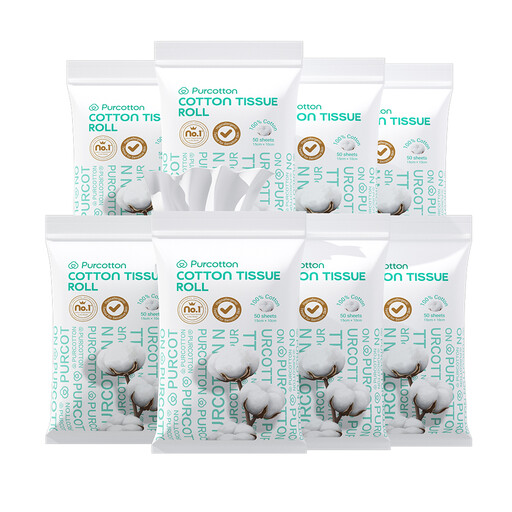
Why this fits the profile: Eight individually wrapped sets of 50 sheets are ideal for hand luggage, a gym bag, the office or a weekend away.
The portions limit exposure of unused towels to moisture and dust. The product information states dry and wet use and no fragrances.
400 sheets in eight travel packs, 15 × 10 cm per sheet and, according to the product information, 100% cotton.
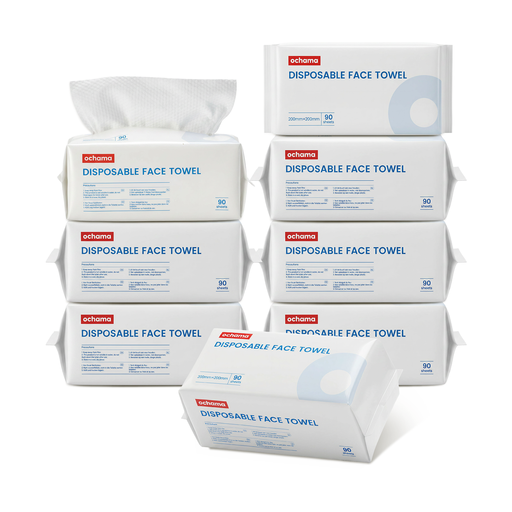
Why this fits the profile: Eight packs of 90 sheets are aimed at households that use lots of towels daily for cleansing, drying or make-up removal.
The total is split into eight packs. The product information states dry and wet use, a pearl texture and disposal in the bin.
720 sheets, 90 sheets per pack, unscented according to the product information and made from viscose plus lyocell.
We’ve put together a full, up-to-date list of products that fully meet these strict selection criteria and comply with current European safety regulations.
That depends on the composition and your personal reaction. Choose a product without perfume where possible and check information about fibres, certification and use. “Hypoallergenic” is no guarantee for every individual. Test a new product carefully first and stop if irritation occurs.
Only if the product information allows wet use. Some cotton face towels and non-woven towels are designed for this. Moisten the towel with water or a suitable cleanser and then dispose of it. Do not flush it down the toilet.
That’s not automatically the case. Calculate the price per sheet and take the size into account. A pack with 720 small or medium sheets can be good value per piece, while individual travel packs mainly offer extra convenience. So compare quantity, dimensions, material and packaging format together.
