
Vandaag of morgen in huis

Kwaliteit gegarandeerd

Welkomstaanbiedingen ontgrendelen: GRATIS bezorging | Tot 80% korting | Gratis 30 dagen JoyPlus-proefperiode
Download de app
Disposable face towels are handy for daily skincare, removing make-up, travelling, and situations where you’d rather not use a reusable towel. Yet many products look very similar. A low price, for example, can mean small sheets, poor absorbency, or packaging that quickly becomes damp once opened.
What’s more, the product description doesn’t always tell the full story. So it’s best to focus on the material, the size, how you’ll use them, and the quantity per pack. That way, you avoid paying for a nice-sounding claim that doesn’t match your actual needs.
The term soft face towels doesn’t mean much on its own. Check whether the material is stated, such as cotton, viscose, lyocell or non-woven fabric. Also pay attention to the dimensions. A small towel can be handy on the go, but less practical for cleaning your entire face.
For products aimed at sensitive skin, it’s wise to look at the ingredients and any warnings. A dry disposable towel often has a different composition to a pre-moistened facial cleansing wipe.
A pack with 180 or 720 sheets sounds generous, but how useful it actually is depends on the dimensions and thickness. So always check:
A large family pack is practical for daily use, while a pack of 20 is better suited to a weekend away, camping, or keeping in a sports bag.
For removing make-up, pre-moistened facial cleansing wipes can sometimes be more convenient. Dry disposable face towels are usually used with water and possibly a separate cleanser. This makes them more versatile, but you do need a sink or a bottle of water.
Also check whether the product is described by the manufacturer as a cosmetic wipe, a flannel, or a general consumer item. Not every towel is intended for the same purpose. And don’t use disposable towels as a substitute for medical dressings.
100% cotton feels different to plant-based viscose or synthetic non-woven material. Cotton face towels can be a good choice if you’re looking for a natural fibre. Viscose and lyocell are often used for soft, absorbent towels with a smooth or textured surface.
Claims such as “hypoallergenic”, “suitable for sensitive skin” or “free from harmful substances” should be read as the brand’s own claim. According to product information from Purcotton, their cotton towels are tested for sensitive skin and carry OEKO-TEX STANDARD 100 certification. Always check the label and the current product page when you buy.
A dry towel is suitable for drying your face, applying skincare products, or light daily cleansing. When used wet, the material should hold its shape and not fall apart easily. According to the product descriptions of various C&S and Purcotton items, the towels stay intact when wet and shed few fibres. This is a claim from the product information, not a universal guarantee for every skin type or use.
When cleansing with water, use gentle movements and avoid rubbing hard around the eyes. Stop if you experience redness, itching or irritation, and follow the warnings on the packaging.
For home use, sheets of around 20 × 20 cm are practical. Smaller travel towels take up less space, but may not be ideal for a full cleansing routine. A dispenser or hanging pack can be handy in the bathroom, as long as you keep it dry and sealed.
Disposable face towels should go in the bin after use. Don’t flush them down the toilet. Even biodegradable or plant-based fibres are not automatically suitable for the sewer system.
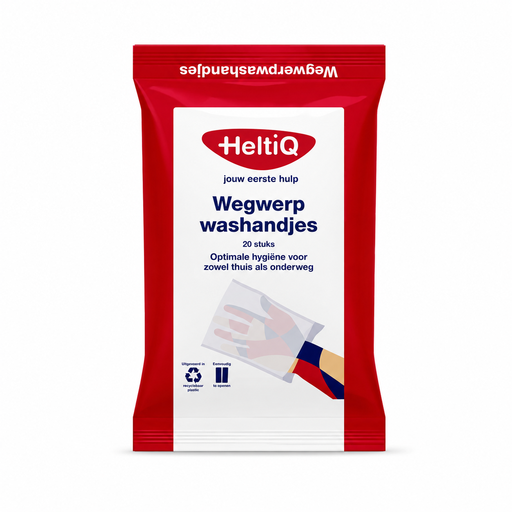
Why this fits the profile: A small pack is ideal for trying out dry disposable towels for the first time, or for taking on trips, camping or to the gym.
The quantity is clear: 20 dry, non-impregnated washcloths. So you don’t buy a large stock before you’ve tried the size and how they work with water.
Dry and can be moistened as needed; suitable for personal hygiene, travel, sport and camping.
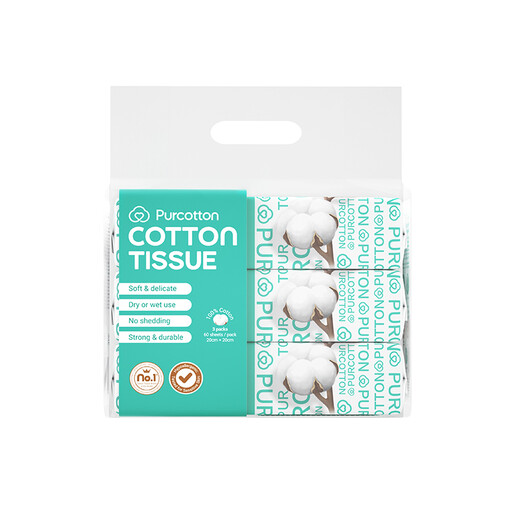
Why this fits the profile: This choice suits users who specifically want cotton face towels and value material, certification and multi-purpose use.
The product information clearly states the material as 100% cotton and mentions use for both dry and wet cleansing. According to Purcotton’s own information, the product is free from perfume, alcohol and optical brighteners.
180 sheets split across three packs; 20 × 20 cm; according to the product description, suitable for the face, removing make-up and baby care.
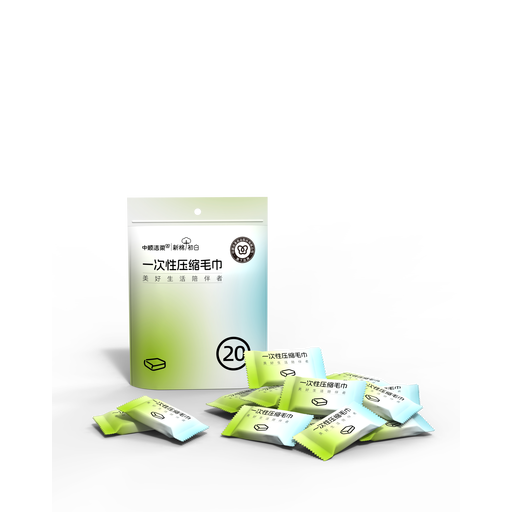
Why this fits the profile: The compact tablets fit into a wash bag, sports bag or camping kit, and only expand when you add water.
The compact format means you don’t have to carry a pack of large loose sheets. You do need water to expand each tablet.
20 tablets; unfolded size of 24 × 30 cm; according to the product information, made from plant-based fibres and suitable for the face, hands and general hygiene.
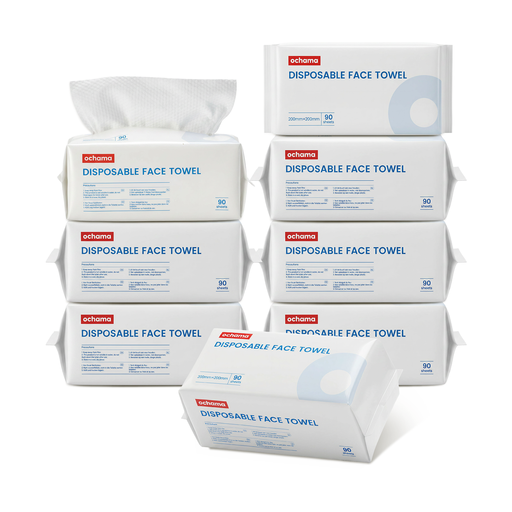
Why this fits the profile: Eight packs of 90 sheets are designed for households that use towels daily and want to reorder less often.
The total number and the split per pack are clearly stated. This makes it easier to judge how much stock you’ll actually keep in the bathroom or cupboard.
720 sheets; pearl texture; can be used dry or wet according to the product description; unscented as per the stated specifications.
Reusable alternatives to disposable towels, such as cotton face cloths or microfibre cloths, produce less waste with repeated use. On the other hand, you need to wash, dry and replace them regularly. For daily home use, a reusable option can be practical. For travel, sport, skincare after swimming, or situations where you have limited access to a washing machine, disposable towels offer more convenience.
With reusable cloths, follow a separate washing routine and avoid fabric softener if it could make the material less absorbent. With disposable towels, the main considerations are pack size, material and waste disposal.
We’ve put together a full, up-to-date list of products that fully meet these strict selection criteria and comply with current European safety regulations.
That depends on the product description. Many dry face towels are designed to be moistened with water. Check whether the towel holds its shape when wet and follow the usage instructions. Pre-moistened face wipes are typically used straight away, without extra water.
This varies from person to person and product to product. Look at perfume, alcohol, colourants, material and warnings. A brand claim such as “suitable for sensitive skin” is not a guarantee for everyone. If in doubt, test carefully on a small area of skin first and stop if irritation occurs.
Follow the shelf-life information on the packaging. Store the towels in a cool, dry place, seal opened packs properly and keep them away from moisture. Use each towel once and then put it in the bin; do not flush it.
