
Livraison le jour même et le lendemain

Qualité garantie

Débloquez vos offres de bienvenue: Livraison GRATUITE | Jusqu'à -80 % | 30 jours d'essai gratuits à JoyPlus
Téléchargez l'application
Disposable face towels are useful after cleansing your face, when travelling or whenever you want to pay extra attention to hygiene at home. However, many products look very similar. A low price, for example, may come with small sheets, limited absorbency or packaging that dries out quickly.
Terms such as “soft”, “natural” and “suitable for sensitive skin” only tell you something once you check the material, dimensions and instructions for use. Use these points to compare disposable face towels in a practical way.
A pack containing hundreds of sheets may seem good value, but the size and thickness determine how many you need each time. For example, a 15 × 10 cm sheet is not directly comparable with a 20 × 20 cm towel. As well as the number of sheets, look at:
Softness may come from cotton, bamboo fibre, viscose, lyocell or a special embossed structure. The user experience varies depending on the material and application. A dry cotton towel may feel comfortable on the face, while wet use places greater demands on fibre strength.
Check whether the product description mentions lint formation when the towel is wet, tear resistance, the number of layers and whether it can be used as a dry and wet face towel.
Wet baby wipes often contain water and additional ingredients. They are designed for moist cleansing and should be thrown away after use. Dry disposable face towels are generally used dry first or moistened with clean water.
Pay attention to the intended user and the warnings. None of these products should be flushed down the toilet. “Plastic-free” or “biodegradable” does not mean that a wipe can be flushed through the plumbing.
Common materials for soft face towels include cotton, bamboo fibre, viscose and lyocell. 100% cotton is straightforward to assess when the composition is stated on the label. With blended fibres, it is worth checking which fibre makes up the largest proportion.
If you are looking for face towels for sensitive skin, you can also look for:
Always check a certification or material claim against the relevant product and packaging. According to Purcotton’s product information, certain cotton tissues are OEKO-TEX STANDARD 100 certified. This is a product specification, not a guarantee that every skin type will react in the same way.
Dry tissues are practical for drying your face, removing moisture or using while out and about. For removing make-up or gentle cleansing, a towel moistened with water may be more convenient. Products suitable for both uses offer greater flexibility, but check that they remain strong enough when wet.
For wet use:
If your skin becomes irritated, red or itchy, stop using the product. These consumer products are not medical devices and do not replace medical advice.
For everyday use at home, larger sheets are often more practical. Small cotton facial tissues are a better fit for a handbag or wash bag. A dispenser with an opening or hanger can make use in the bathroom easier, but keep the packaging dry and seal damp packaging securely.
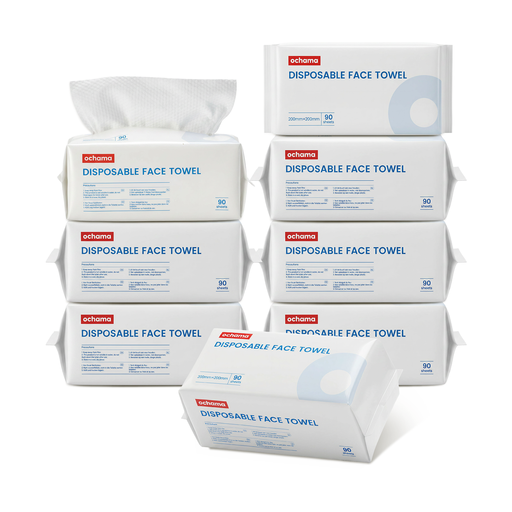
Why it suits this profile: The pack contains 720 sheets, divided into 8 packs of 90. This is practical for families who regularly use dry and wet face wipes.
The number of sheets and the quantity per pack are clearly stated. This makes it easier to assess your supply and the price per sheet than with an unspecified bulk pack.
720 sheets, pearl texture, unscented and suitable for dry and wet use according to the product information.
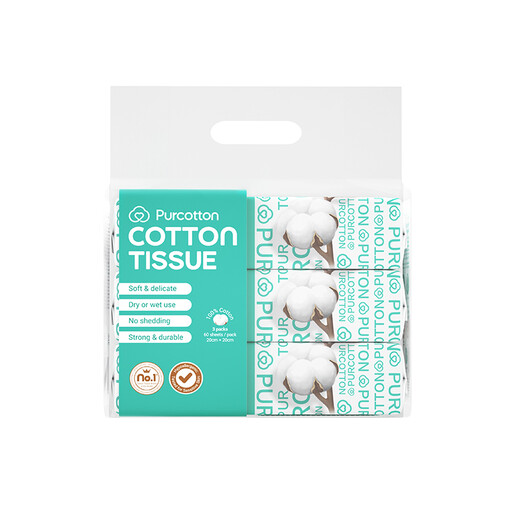
Why it suits this profile: The composition is clearly stated as 100% cotton. The towels are intended for dry and wet use, including facial cleansing and make-up removal.
The material claim, 20 × 20 cm size and pack contents are stated. According to the product information, this version contains no perfume, alcohol or fluorescent brighteners.
100% cotton, 180 sheets, suitable for dry and wet use and OEKO-TEX STANDARD 100 certified according to the product information.
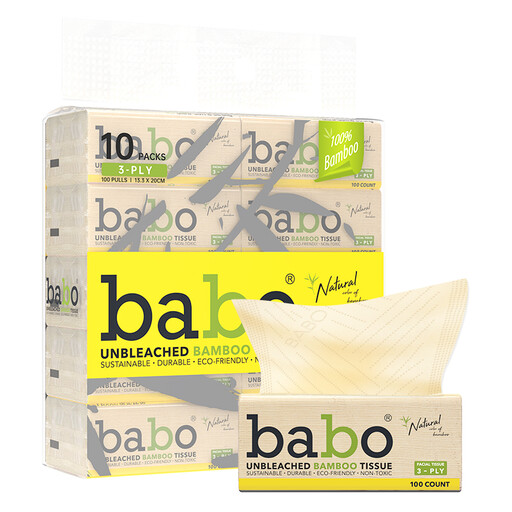
Why it suits this profile: The bundle contains 10 packs of 100 sheets. With three layers and a size of 133 × 200 mm, it is a compact choice for home, travel or keeping a regular supply.
The product information states that it has three layers, is made from bamboo-based fibre and can be used without fluorescent brighteners. Wet tear resistance is also specified.
Three-layer design, 100 sheets per pack, 10 packs per bundle and low lint when wet according to the product information.
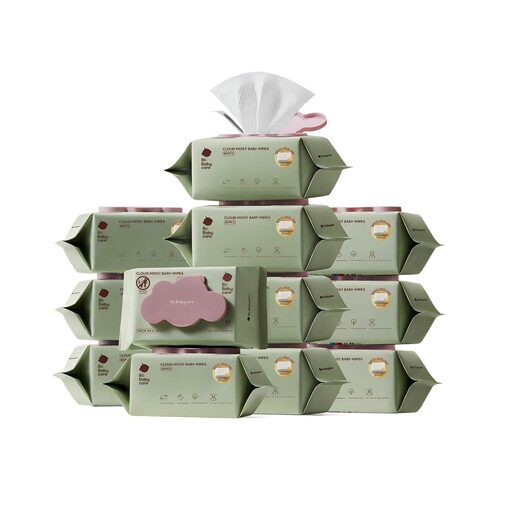
Why it suits this profile: These wet wipes come in 12 packs of 80. They are designed for baby care and everyday cleaning when water is not readily available.
According to the product information, these are wet wipes made with 99% purified water. The packaging should be closed securely after use to help prevent the wipes from drying out.
960 wipes, unscented, plant fibre as the base material and OEKO-TEX certification according to the product details.
We have put together a complete, up-to-date list of products that fully meet these strict selection criteria and the applicable European safety regulations.
No. Products labelled as disposable are designed for single use. Reusing them can affect hygiene and the towel’s structure. If you want to produce less waste, consider reusable alternatives to flannels, such as washable cotton cloths. However, these need to be washed and dried thoroughly after each use.
That depends on the product. Baby face wipes and wet baby wipes are specifically described for young children, whereas general facial tissues are not always suitable. Check the age recommendation, ingredients, fragrances and warnings. Avoid contact with the eyes and stop using the product if redness or irritation occurs.
Store dry wipes in a clean, dry cupboard. Wet wipes remain usable as long as the packaging is properly sealed and stored according to the shelf-life information. Do not leave damp packs in direct sunlight, heat or a steamy bathroom for extended periods. Always put used wipes in the bin and do not flush them down the toilet.
