
Livraison le jour même et le lendemain

Qualité garantie

Débloquez vos offres de bienvenue: Livraison GRATUITE | Jusqu'à -80 % | 30 jours d'essai gratuits à JoyPlus
Téléchargez l'application
Disposable face towels are handy after washing, when removing make-up, while travelling or whenever you would rather not use a reusable towel on your face. However, many products look alike. A large multipack may seem attractively priced, for example, but become inconvenient if the towels are too small, tear easily or become damp in the bathroom.
The following pitfalls are common:
The material largely determines how a towel feels and how it behaves when wet. 100% cotton generally feels different from a towel made of viscose, lyocell or other plant-based non-woven fibres. None of these terms alone is enough to guarantee that a product is gentle on the skin.
If you are looking for soft face towels, it is worth checking:
According to Purcotton’s product information, the cotton variants are free from perfume, alcohol, plasticisers and fluorescent whitening agents. The mention of OEKO-TEX STANDARD 100 and a sensitive-skin test also comes from the brand’s product information. This is not a guarantee that every skin type will react in the same way. Stop using the product if redness, itching or irritation occurs.
For the face, a sheet of around 20 × 20 cm is practical for cleansing and drying. Larger sizes provide more coverage but also take up more space. Compact or compressed towels are useful when travelling.
Also look out for:
A pearl structure may provide extra grip when wiping away water or make-up, but “soft texture” remains partly a matter of personal experience. When removing make-up, do not rub hard around the eyes and avoid direct contact with the eyes.
Not every disposable face washcloth is automatically suitable for wet use. Check whether the manufacturer explicitly states dry and wet use. With compressed face towels, you usually need to add water first. The tablet then unfolds into a larger towel.
For families, a dispenser containing plenty of individual sheets is practical. For travelling, individually wrapped or compressed options are more convenient. Store all types in a cool, dry place, not for prolonged periods above a shower or next to a wet washbasin.
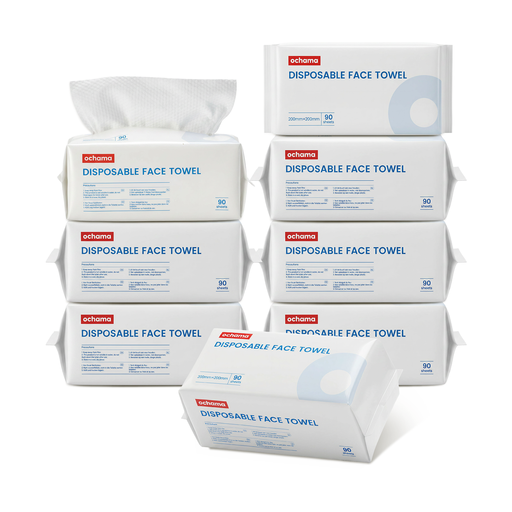
Why it suits this profile: The pack contains 720 sheets, divided into eight packs of 90. This is practical for families or anyone who wants to keep a good supply at home.
The product information states the number of sheets, the number per pack and suitability for dry and wet cleansing. Before buying, check the actual sheet and layer count on the label.
Viscose and lyocell fibres according to the product information, pearl structure, fragrance-free and suitable for dry or damp use.
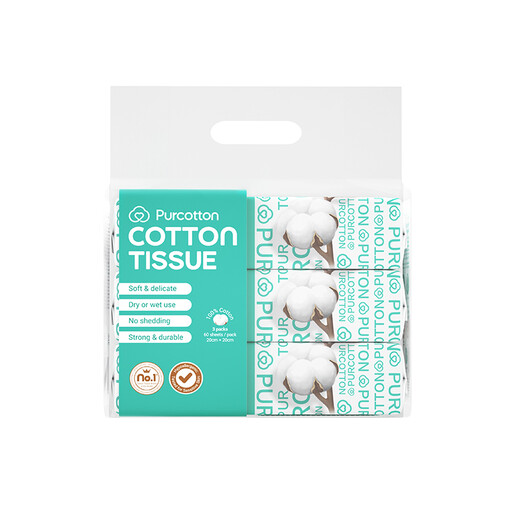
Why it suits this profile: This option is aimed at shoppers who value clearly specified materials and detailed product information.
The composition is stated as 100% cotton. According to Purcotton’s own product information, this variant is free from perfume, alcohol and plasticisers.
100% cotton, 180 sheets divided into three packs and designed for dry and wet use.
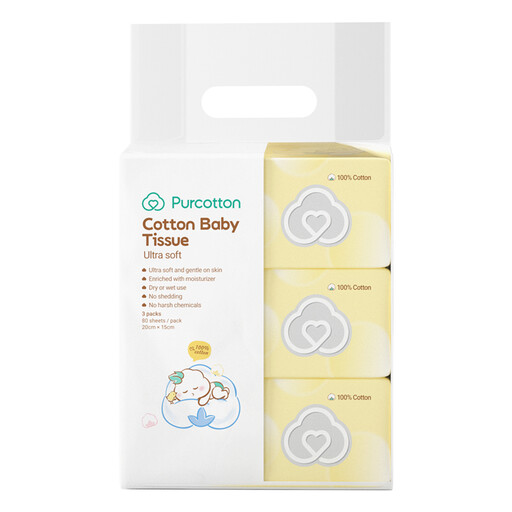
Why it suits this profile: This variant is designed for parents who want to use one product for the face, hands and everyday care routines.
The product description states that it is suitable for dry and wet use, and that, according to the brand’s information, the towels retain their structure when wet. Always check the current packaging.
100% cotton, 240 sheets and, according to the product information, free from perfume, alcohol and harsh chemicals.
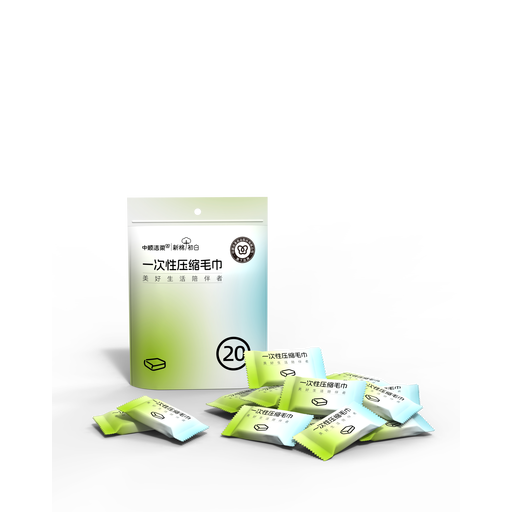
Why it suits this profile: The small tablets take up very little space and are suitable for a suitcase, sports bag, camping trip or hotel stay.
The compact tablet format means you do not have to carry a large pack. The instructions clearly state that water is needed to unfold the towel.
20 compressed pieces, approximately 24 × 30 cm after wetting, and suitable for the face, hands and general hygiene.
We have put together a complete, up-to-date list of products that fully meet these strict selection criteria and the applicable European safety regulations.
Take one sheet per task and only dampen it when necessary. Dry face towels do not require any additional water. To remove make-up, you can dampen a towel with water or use it with a product you already use. Follow the instructions for the cleansing product.
Dispose of used towels with general waste, unless the packaging provides different local instructions. Never flush them down the toilet. Even towels described as biodegradable can cause blockages. Keep unused towels out of the reach of young children and store opened packs sealed and dry.
This varies depending on the material, finish and individual user. Preferably choose a fragrance-free option with clear ingredient or material information. According to some brands’ own information, certain products have been tested on sensitive skin, but this is not a medical guarantee. Test a new product carefully first and stop using it if irritation occurs.
Yes, according to their product descriptions, various products are designed for cleansing the face and removing make-up. Do not rub a dry or wet towel too harshly over the skin, particularly around the eyes. Check whether the towel supports wet use and, for waterproof make-up, consider using a suitable cleansing product.
Check the best-before or production date on the packaging. Storage periods vary by product. A dry, cool storage place helps maintain quality. In a damp bathroom, the packaging may become clammy sooner, making the towel less pleasant to use.
