Who should consider this?

If you often wash plastic lunchboxes

You’ll want to be able to put containers and lids away clean, so check the washing instructions for each item and the drying features of the model you choose. The Netherlands Nutrition Centre points out that some plastic items can only go in the top rack or be washed at a low temperature.

If you have limited kitchen space

First check whether a standard-size machine will fit, then compare slimline or compact models for their installation requirements and usable capacity. The Consumers’ Association describes slimline dishwashers as approximately 45 cm wide; check the dimensions of the specific model.

If you do your weekend washing-up in one load

You wash lunchboxes alongside plates and glasses, and want a size that suits a typical full load. Milieu Centraal recommends a standard-size machine particularly if you run it when it’s full.

What should you look for?

Standard dishwasher, approximately 60 cm wide

Choose this if: you collect plates, glasses and other washing-up after lunch, and usually have enough to fill the machine.

Bear in mind: the space it needs in your kitchen; advice on energy-efficient use assumes a full load.

Slimline dishwasher, approximately 45 cm wide

Choose this if: you don’t have room for a 60 cm machine, but regularly wash more than just a few containers.

Bear in mind: there’s less room inside for large dishes and lunchboxes; compare the consumption figures for specific models.

Compact or tabletop dishwasher

Choose this if: you can’t fit a larger machine and the interior space suits your lunchboxes and other washing-up.

Bear in mind: Milieu Centraal generally advises against mini dishwashers because of how they perform in use; also check the specified water and waste connections.

Use your existing machine or wash up by hand

Choose this if: you already have a suitable dishwasher or only wash a few containers by hand now and then.

Bear in mind: washing up by hand takes time; Milieu Centraal’s environmental comparison assumes you use little hot water and don’t leave the hot tap running.

What to consider What should you check? Who should give this more thought?
Putting plastic items away clean and dry Check the permitted temperature and rack position for each container and lid. See whether the racks give you room to place containers at an angle so the water can drain away. If I often wash plastic containers, I want to know where each item can go and how water can drain from the edges. For around 33% of consumers, drying plastic is the top purchasing priority.
Size and installation Measure the available space and compare it with the model’s dimensions and interior capacity. Follow the installation instructions for the water, waste and electrical connections. If you have a small kitchen, you’ll want to know whether the machine will fit without leaving too little room in the racks for lunchboxes and everyday washing-up. Space is the main purchasing concern for around 25% of consumers.
Consumption for your usual load Compare the energy label figures for consumption, capacity and eco programme duration. Also consider how often you can run the machine with a full load. If I usually wash lunchboxes with the rest of the weekend washing-up, I want to know whether the capacity suits my typical loads. For around 25% of consumers, consumption for mixed loads comes first.
Programme and availability Check the programme duration and temperature requirements for the exact model, and compare them with the instructions for your lunchboxes. If you need a container again quickly, look beyond programme duration to check which cycle is allowed and how long the drying phase takes. Speed is the top purchasing priority for around 17% of consumers.

What to watch out for when buying

  • Choosing a mini dishwasher because lunchbox washing seems like a small load

    The machine also needs to suit the other washing-up you usually do. Milieu Centraal recommends running a standard-size machine with a full load and generally advises against mini dishwashers.

    Compare the total amount you usually wash and measure the available space before choosing a size. Choose a compact model only if the limitations of a larger machine are more important to you.

    Milieu Centraal notes that mini dishwashers have relatively unfavourable performance in use; the choice also depends on how often you use the machine and how full you load it.

  • Assuming ‘dishwasher-safe’ means any rack and any temperature

    The permitted rack position and temperature can vary between items. The container and lid may therefore have different usage requirements.

    Check the markings and instructions for each item before choosing a rack or programme. The Netherlands Nutrition Centre notes that the top rack and a low temperature may be required.

  • Comparing a quick programme with the consumption figures on the eco label

    The energy and water figures on the label relate to the eco programme and don’t automatically tell you how much another cycle uses.

    Compare models on the same label basis and consult the manual for information about other programmes.

  • Assuming automatic door opening guarantees dry plastic lids

    Manufacturers describe drying functions for specific models, but this doesn’t prove that every plastic item will come out dry. Containers with rims can also hold water.

    Check the function on the exact model, follow the lunchbox instructions and position containers so the water can drain away.

Brands to consider

Beko

The BDFS26046XQ is a freestanding slimline model for anyone with less room in their kitchen than a standard-size machine requires.

  • Its slim design may be a good fit for a smaller kitchen.
  • Check the rack space and dimensions of the exact version; this suitability doesn’t automatically apply to other Beko models.

Bosch

Bosch describes PerfectDry and EfficientDry technology on certain dishwashers. The SMS8TCI04E is a freestanding 60 cm model.

  • Bosch positions PerfectDry models as suitable for drying plastic items.
  • Bosch’s drying performance claim isn’t an independent comparison using your lunchboxes. Check the details of the specific model.

Siemens

For the freestanding SN27TI00CE, Siemens lists Zeolith drying and automatic door opening.

  • These listed features are worth considering if you want to dry plastic items.
  • Siemens’ claim about drying plastic isn’t based on an independent test using lunchboxes; check the instructions for the individual items too.

AEG

For the freestanding FFB33607ZW, AEG lists AirDry and a 30-minute programme.

  • The product information mentions automatic door opening during the drying phase.
  • A short programme doesn’t prove that plastic lunchboxes will dry completely or that the programme is the most energy-efficient.

Miele

Miele describes automatic door opening on models with AutoOpen; check whether this feature is available on the model you’re considering.

  • According to Miele, the door opens partially at the end of the cycle to help with drying.
  • The feature information doesn’t identify a specific model to buy and isn’t a comparative test of plastic lunchboxes.

Dishwashers at Joybuy for lunchboxes and weekend washing-up

This selection includes compact tabletop models and a 60 cm integrated dishwasher. For a tabletop model, check the capacity and water connection; an integrated model needs a suitably sized installation space.
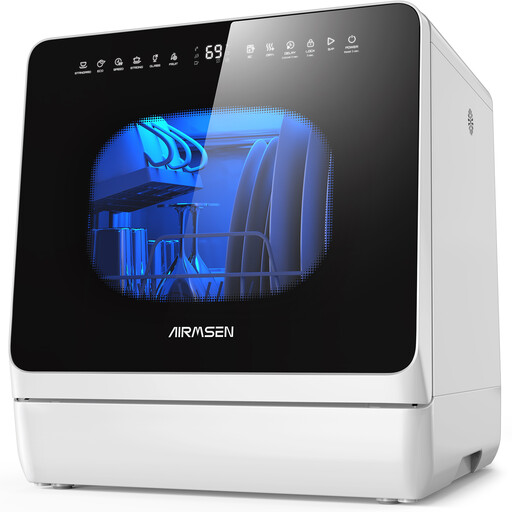
AIRMSEN compact tabletop dishwasher with 8 wash programmes

AIRMSEN tabletop dishwasher, 8 programmes

A tabletop model for anyone short on space who wants to combine a small amount of washing-up; check that its capacity suits your lunchboxes and other items.

The product information lists 4 place settings, a built-in water tank and a drying programme with ventilation for up to 72 hours.

View at Joybuy

AIRMSEN tabletop dishwasher with a built-in 5-litre water tank

AIRMSEN tabletop dishwasher, 5-litre tank

This compact model is an option if you’re looking for a tabletop dishwasher; compare its listed dimensions and capacity with the space you have for your lunchbox washing-up.

The product title lists a 5-litre tank, 9 programmes, dimensions of 37 × 50 cm and energy rating D. The product information states that it holds 4 place settings or 31 items.

View at Joybuy
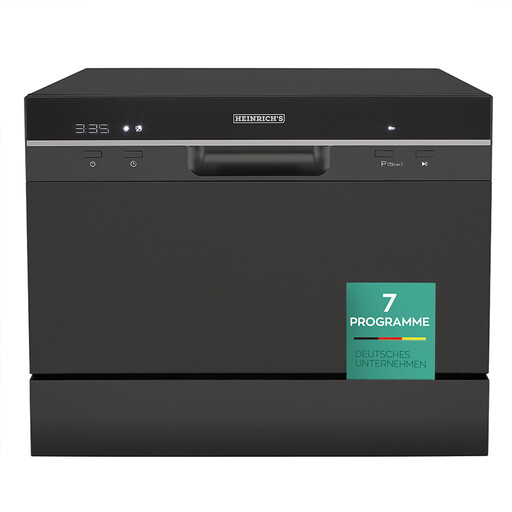
Heinrich’s HTG 8840 tabletop dishwasher

Heinrich’s HTG 8840

The listed capacity of 6 place settings can help you decide whether this tabletop model will suit the lunchbox washing-up you do in one load.

The product title lists 7 programmes, automatic door opening for drying, 47 dB and energy rating D. The door-opening function doesn’t guarantee that every plastic item will come out dry.

View at Joybuy

Heinrich’s HTG 8855 mini tabletop dishwasher

Heinrich’s HTG 8855

This mini tabletop model is designed for smaller loads; check whether its listed capacity of 3 place settings is enough for your needs.

The product title lists 7 programmes, 56,3 dB and energy rating C. The product information mentions an optional drying function and use with or without a water connection.

View at Joybuy
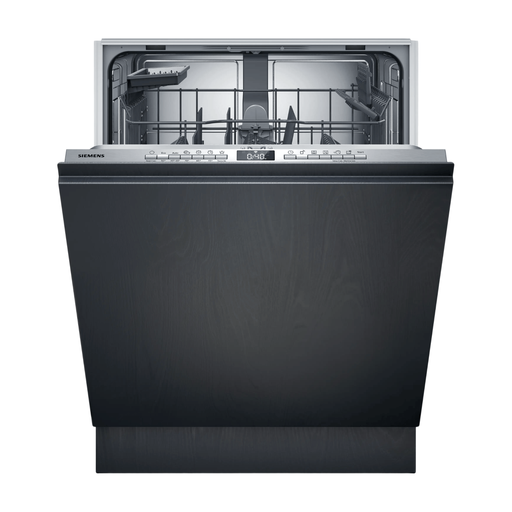
Siemens iQ300 SN73HX04TE 60 cm integrated dishwasher

Siemens iQ300 SN73HX04TE, 60 cm

A standard-size integrated model to consider if you combine lunchbox washing-up with the rest of your load and have a suitably sized cabinet space.

The product information lists 13 place settings, an adjustable upper rack, fold-down plate supports and a heat exchanger. This model is fully integrated and needs a suitably sized cabinet space.

View at Joybuy

Frequently asked questions

Can every part of a dishwasher-safe lunchbox go on any programme?

No, you can’t tell that from the words ‘dishwasher-safe’ alone. According to the Netherlands Nutrition Centre, an item may need to go on the top rack or be washed at a low temperature, for example. Check the instructions for the container, lid and any separate parts individually.

How should you load lunchboxes to reduce the amount of water left behind?

Place containers with a rim at an angle so the water can drain out. The Consumers’ Association advises positioning items with a rim at an angle; for plastic items and permitted rack positions, also follow the product’s own instructions.

What should you check before installing a dishwasher?

Measure the available space and check the connections specified in the model’s manual. The Consumers’ Association lists a water connection, waste outlet and earthed socket among the requirements; follow the full installation instructions for the model you choose.

What does a dishwasher’s energy label tell you?

The energy label lists details including energy consumption per 100 eco cycles, water consumption per eco cycle, capacity and the duration of the eco programme. These figures don’t automatically show how much a quick programme uses.

Are you always entitled to just two years’ legal guarantee on a dishwasher in the Netherlands?

No, there isn’t a fixed statutory guarantee period for every product in the Netherlands. The Dutch government says this depends on what you can reasonably expect from the product. If a product is faulty, contact the retailer; a manufacturer’s guarantee or additional cover comes on top of your statutory rights.
