What should you look for when choosing?
Standard integrated dishwasher
A good fit when: you have a suitable cabinet space and kitchen door panel, and enough washing-up to fill the machine properly.
The trade-off: carefully match the cabinet dimensions, door panel and door mechanism; installation takes more preparation than with a freestanding model.
Standard freestanding dishwasher
A good fit when: you don't have a suitable cabinet space, but do have a spot near the necessary connections.
The trade-off: the appliance remains visible in your kitchen. According to Milieu Centraal, the consumption benefit of a well-filled standard-size machine only applies if you fill it properly.
Slimline dishwasher
A good fit when: a standard-width model won't fit the available space, or you usually have fewer dishes to wash.
The trade-off: the narrower width may leave less room for large serving dishes and pans. According to the Consumentenbond, a smaller machine isn't automatically more economical.
Compact mini dishwasher
A good fit when: there's no room for a larger model and the smaller interior is big enough for your dishes.
The trade-off: Milieu Centraal points out that these models use relatively high amounts of electricity; there's also less room for cookware. So check carefully that the capacity suits your washing-up.
Since 1 March 2021, the EU energy label for dishwashers has run from A to G, according to the European Commission. Also compare consumption per eco cycle on the same basis.
| What to consider |
What to look for |
Who it's important for |
| Size and installation |
Measure the available space and check whether you need an integrated or freestanding model. For an integrated model, also check the cabinet space, kitchen door panel and connections. |
If the machine needs to fit into an existing kitchen, I want to make sure the space and connections are right first. Around 33% of consumers give size and installation top priority. |
| Room for your everyday dishes |
Check the rack layout and adjustability, and make sure your own plates, serving dishes and pans will fit. |
If I want to load large serving dishes after cooking, I look beyond the number of place settings. Around 27% of consumers prioritise space for dishes and cookware. |
| Energy and water consumption |
Compare kWh per 100 eco cycles and litres per eco cycle on the same basis; bear in mind that the eco programme may take longer. |
If I wash up often, I want to factor in consumption per cycle and be able to fill the machine properly. Around 27% of consumers prioritise ongoing energy and water consumption. |
| Washing and drying |
Check independent test results for the model and programme you’re interested in; a feature description alone doesn’t prove how well it washes or dries. |
If I want to avoid having to dry dishes or wash them again, I look for results that match the types of dishes I use. Around 13% of consumers prioritise clean, dry dishes with minimal extra work. |
Dishwashers for standard integrated and freestanding installation on Joybuy
This selection focuses on dishwashers for standard integrated and freestanding installation, for anyone looking to wash everyday dishes in a larger machine.
 No image available
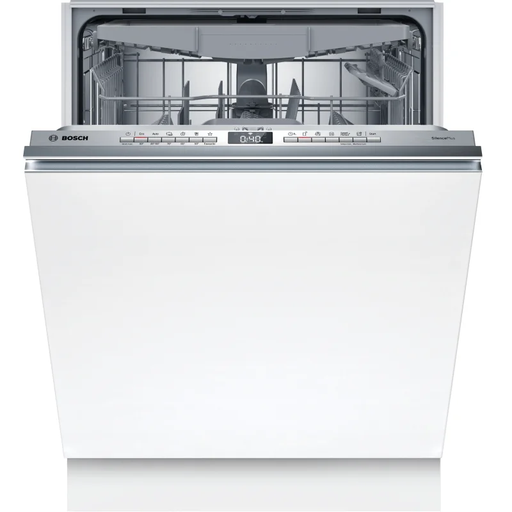
Bosch SMV4EVX08E Series 4 fully integrated dishwasher, 60 cm
An integrated option for anyone who wants to wash a full everyday load in one go.
14 place settings; energy label B; 65 kWh per 100 eco cycles; 9 litres of water per cycle; adjustable upper rack and cutlery drawer.
Requires a suitable cabinet space and kitchen door panel; the product information recommends installation by a qualified technician.
View at Joybuy
 No image available
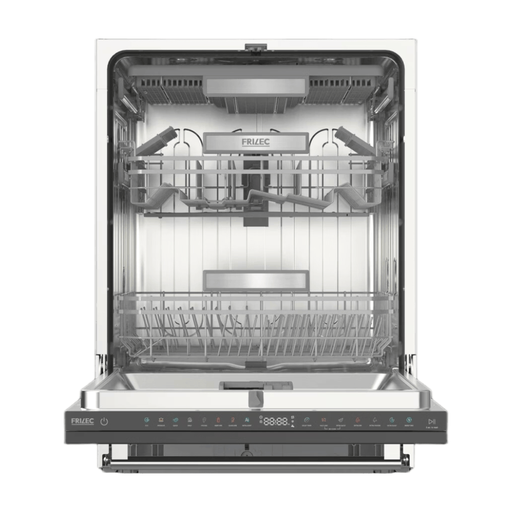
Frilec FRANKFURT8818-E-450A integrated dishwasher
An integrated option for anyone looking to wash a large everyday load in one go.
16 place settings; energy label A; 55 kWh per 100 cycles; 39 dB; 8 programmes, including Eco, Intensive and Glass; cutlery drawer.
Fully integrated; requires a suitable cabinet space and professional connection.
View at Joybuy
 No image available
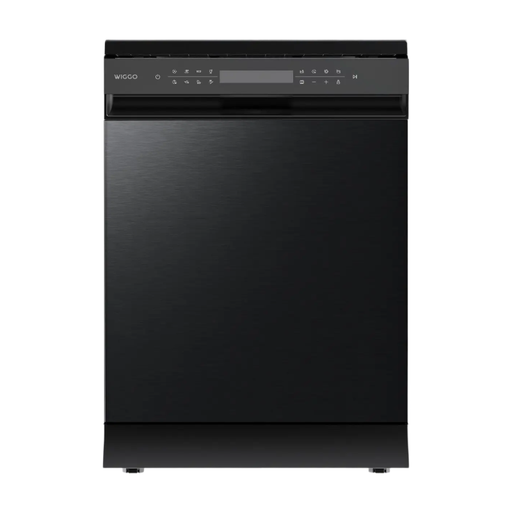
Wiggo WD-F6148B freestanding dishwasher, 60 cm, Dark Inox
A freestanding option for anyone without an integrated cabinet space who wants to wash an everyday load in a standard-size model.
14 place settings; energy label B; 64 kWh per 100 cycles; adjustable upper rack; automatic door opening at the end of the cycle.
The product information specifies connection to a water supply and drain.
View at Joybuy
 No image available
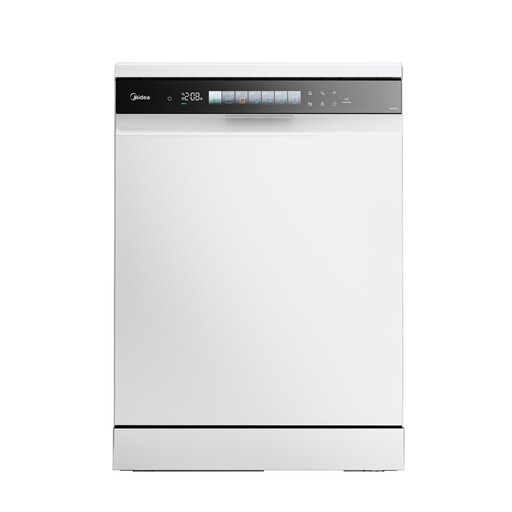
Midea MDWEF1433GW-W freestanding dishwasher, white
A freestanding option for anyone who wants to wash a larger everyday load without fitting the machine into the kitchen.
14 place settings; energy label B; 9.8 litres of water per cycle; 9 programmes, including Eco and Hygiene+; automatic door opening for drying.
The product information specifies placement on a level surface and connection to water and drainage.
View at Joybuy
 No image available
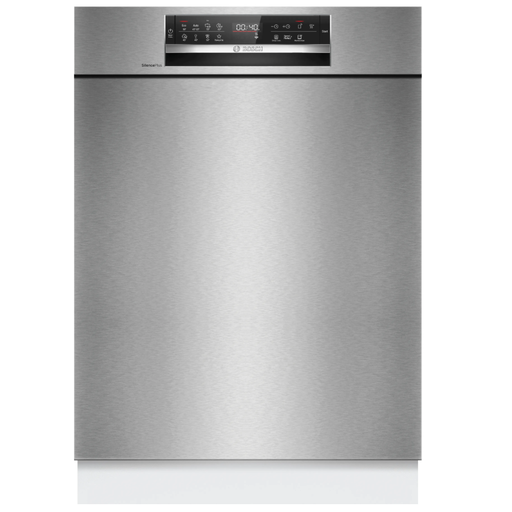
Bosch SMU6ECS12E Series 6 under-counter dishwasher, 60 cm, brushed steel
An under-counter option for anyone looking to pair a standard dishwasher with a suitable kitchen layout.
14 place settings; energy label A; 54 kWh per 100 cycles; cutlery drawer; flexible racks; Extra Dry option.
Requires a suitable cabinet space and connections.
View at Joybuy
Frequently asked questions
Is a larger dishwasher always more economical for my everyday washing-up?
No, not automatically. Milieu Centraal recommends a standard-size model because of its water and energy use, provided you fill it properly. If you can't do that, compare the actual consumption shown on the label of a smaller machine.
Should I rinse plates before loading them after cooking?
According to Milieu Centraal, hand-rinsing is rarely necessary, especially with hot water. Do remove any food scraps before loading the dishwasher.
What should I check before connecting the dishwasher?
Check the water supply, drain and electrical connection, and follow the manual for your chosen model. Switch off the power before carrying out installation work yourself; if the setup is complicated, ask a professional to assess it.
Who can help if my dishwasher isn't working properly?
For a consumer purchase in the Netherlands, the retailer is your point of contact, according to the Dutch government. You're entitled to a product that is fit for purpose; the Netherlands has no fixed statutory two-year guarantee period.
Which energy label applies to a new dishwasher?
Since 1 March 2021, household dishwashers in the EU have been given an energy label from A to G, according to the European Commission. Use the label information to compare models on the same basis.


