What should you look for when choosing?
First choose the type and size of dishwasher to suit your kitchen and the amount of washing-up you usually do. Then compare which cutlery layout would work best for you and check the consumption figures on the energy label.
| What to consider |
What to look for when buying |
Who is this important for? |
| Cutlery layout |
A drawer frees up space in the lower rack; check that there’s still enough height for the rest of your dishes. A basket can be removed as a whole. Don’t place cutlery so close together that water can’t easily reach the surfaces. |
If I regularly wash a lot of cutlery at once, I want to be able to load it neatly without losing space for plates or pans. Around 31% of consumers say the cutlery layout is their top priority. |
| Capacity |
Compare the number of place settings with the amount of mixed washing-up you usually do in one go. A large machine is only the right choice if you can usually fill it properly. |
I want enough room for my everyday dishes as well as cutlery, without choosing a larger model than I need. For around 25% of consumers, having the right capacity comes first. |
| Size and installation |
Check the appliance and cabinet-space measurements, and follow the model’s instructions for the water, drainage and electrical connections. For a built-in model, the kitchen door and fittings must also be suitable. |
The appliance needs to fit physically in my kitchen and connect to the available services. That’s why around 25% of consumers look at the type and installation requirements first. |
| Consumption and programmes |
Compare the energy consumption per 100 eco cycles, water consumption per cycle and programme duration on the EU energy label. Choose a programme to suit how dirty the dishes are and how much you’ve loaded. |
If the dishwasher runs frequently, I want to consider its consumption figures and programme duration alongside its capacity and installation requirements. For around 19% of consumers, consumption is their main concern when buying. |
Dishwashers at Joybuy
These models include built-in and freestanding options for washing cutlery alongside everyday dishes; check which size and type will suit your kitchen.
 No image available
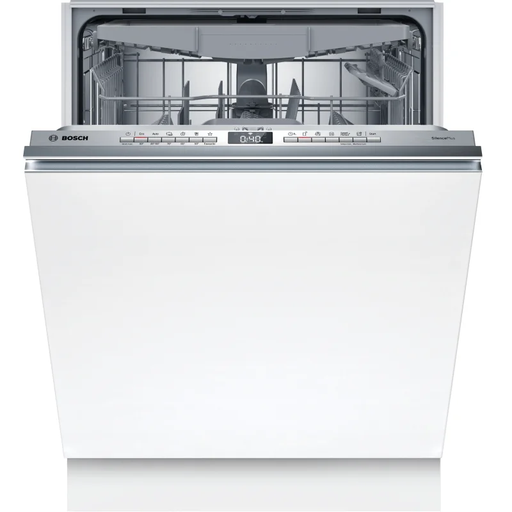
Bosch SMV4EVX08E Series 4 fully integrated dishwasher, 60 cm
A built-in option for washing cutlery and everyday dishes together, if you have a suitable space in your kitchen.
14 place settings; Vario cutlery drawer; 50 °C Eco programme. Fully integrated: check the cabinet space and follow the model-specific instructions for fitting the kitchen door.
Joybuy
 No image available
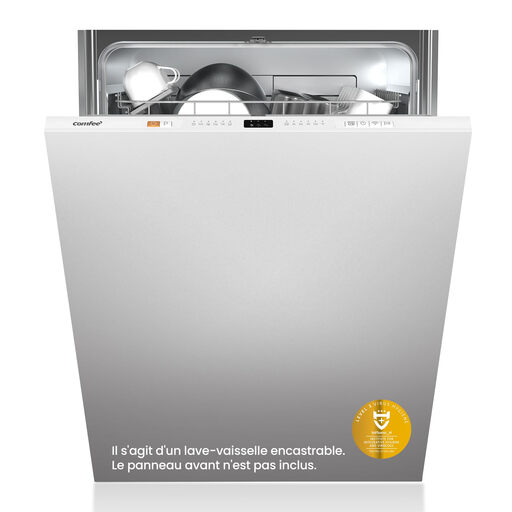
Comfee' CDWPB1215PB-EU fully integrated dishwasher, 12 place settings, white
A built-in model for washing everyday dishes and cutlery together, if you have a suitable cabinet space.
12 place settings; 8 programmes; half-load option; energy class E. Front panel not included.
Joybuy
 No image available
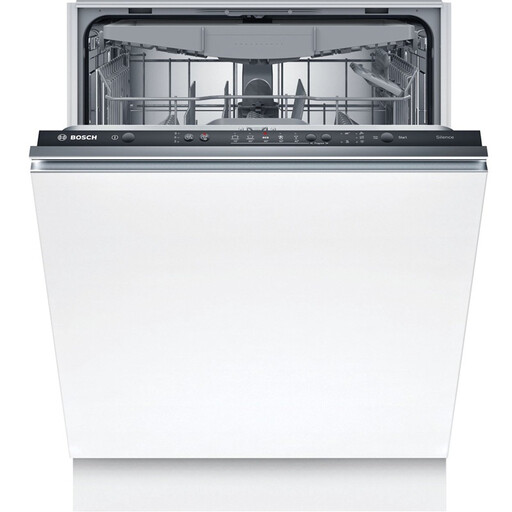
Bosch SMV25EX02E integrated dishwasher, 60 cm
A built-in option for washing cutlery and other dishes together, if you have a suitable space in your kitchen.
13 place settings; cutlery drawer; 6 programmes, including Eco 50 °C. Check that the cabinet space and kitchen door are suitable for this integrated model.
Joybuy
 No image available
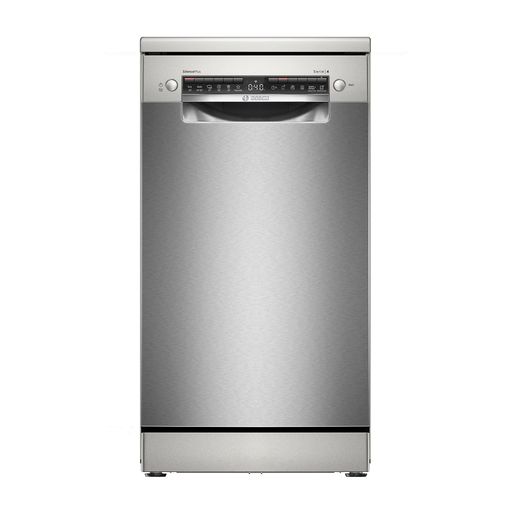
Bosch SPS4EMI17E freestanding dishwasher, 45 cm
A slimline freestanding option for a kitchen with limited width.
13 place settings; VarioDrawer for cutlery and kitchen utensils; Eco programme; energy class B.
Joybuy
 No image available
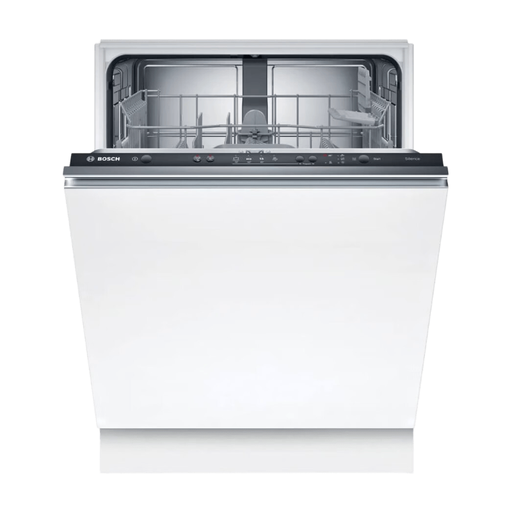
Bosch SMV24AX04E integrated dishwasher, 60 cm
A built-in option for washing everyday dishes and cutlery together, if you have a suitable space in your kitchen.
13 place settings; adjustable upper rack; Eco programme; cutlery basket. Check that the cabinet space and kitchen door are suitable for this type of model.
Joybuy
Frequently asked questions
Should I rinse dishwasher-safe cutlery before loading it after a trip to the market?
You usually don’t need to rinse it first, but do remove any food scraps. Load cutlery and other dishes so that the water jets can reach them. This advice on how to use your dishwasher doesn’t guarantee that every programme will remove every type of soil.
Is the eco programme always the right choice?
For normally soiled dishes, the eco programme is generally the more economical choice, but it takes longer. The Consumentenbond reports that, on average, it washes and dries less effectively than the main programme for more heavily soiled dishes. Choose a programme to suit how dirty the dishes are and follow your machine’s instructions.
Which connections should I check before installation?
Check the model’s manual and the available water supply, drainage and electrical connection. The Consumentenbond specifies an earthed wall socket on a separate 16 A circuit and advises switching off the power while connecting the machine. For a built-in model, the cabinet-space and kitchen-door measurements must also be suitable.
Does my statutory guarantee end after a two-year manufacturer’s warranty?
No. According to ACM ConsuWijzer, your statutory rights apply alongside a commercial warranty. If a product breaks down sooner than you could reasonably expect under normal use, the retailer is responsible for providing an appropriate remedy at no cost; there isn’t one fixed two-year statutory warranty period that applies to every dishwasher.
Which energy figures can I compare on a new dishwasher’s label?
The applicable EU energy label for household dishwashers uses a scale from A to G and includes figures such as energy consumption per 100 eco cycles, water consumption per cycle, programme duration, capacity and noise. Compare figures on the same eco-cycle basis; an energy class alone won’t predict how clean your cutlery will be.


