
Households who eat together
You want to fit in the plates, glasses, cutlery and, ideally, cookware from your evening meal. The rack layout and usable space are just as important as the stated number of place settings.


Start by measuring up and checking that your largest plates, glasses and pans fit comfortably in the racks. The number of place settings doesn’t guarantee that all your dishes from a full meal will fit at once. A standard model is most practical if you can regularly fill it properly, while a slimline model may be a good option if space or the amount of washing-up is limited. Then compare consumption on the same programme basis, and consider noise if your kitchen is open-plan. The Consumentenbond and Milieu Centraal stress that capacity and loading the dishwasher properly both matter.
You want to fit in the plates, glasses, cutlery and, ideally, cookware from your evening meal. The rack layout and usable space are just as important as the stated number of place settings.
First, work out which type and size will physically fit: freestanding or integrated, standard or slimline. A more compact model offers less space for a full meal’s washing-up.
You’ll want to compare consumption if the dishwasher runs often, and noise levels if you can hear it during the evening. Energy-label figures are based on the eco programme.
First, measure the space and check how your dishes fit in the racks. Then compare consumption and noise levels on a basis that reflects how you’ll use the dishwasher.
| What to consider | What should you check? | Who should pay closer attention? |
|---|---|---|
| Space for dishes from a meal | Measure your largest plates and check the rack height, adjustability and clearance for the spray arms. The number of place settings is a basis for comparison, not a guarantee that your own pans and plates will fit. | If I want to wash the plates, glasses and pans from a meal together in one load, I’ll focus on the usable rack space. Around 36% of consumers say fitting all the dishes from a meal is their top priority. |
| Installation type and size | Measure the height, width and depth of the space; for an integrated model, also check the cabinet opening and door requirements. A standard model is usually around 60 cm wide, while a slimline model is around 45 cm. | If my kitchen has limited space, the model needs to fit before capacity becomes a consideration. Around 29% of consumers prioritise a suitable size and installation type. |
| Electricity and water consumption | Compare kWh per 100 eco cycles and litres per eco cycle on the energy label. Also check how long the eco programme takes. A figure on the label won’t directly predict consumption on another programme. | If I use the dishwasher often, I’ll want to factor in electricity and water consumption without losing sight of the programme used as the basis for comparison. Around 21% of consumers say consumption is their top purchase priority. |
| Noise during the evening | Compare the noise level in dB on the label. Independent information about the sound can provide useful context alongside this figure. | In an open-plan kitchen, I’ll want to know whether the dishwasher can be heard while we’re still at the table. For around 14% of consumers, noise in the evening is their top priority. |
The stated number of place settings doesn’t automatically tell you whether your plates, serving dishes and pans will all fit. With a large meal, you may otherwise need to run an extra load or wash some items by hand.
Measure your largest plates and check the rack adjustments and clearance for the spray arms before choosing a size.
Milieu Centraal points out that a standard dishwasher makes most sense when you can fill it properly. A smaller model doesn’t automatically use less energy and water for the same amount of washing-up.
Compare capacity and consumption on the same programme basis, and consider how full the dishwasher usually gets.
The label figures are based on the eco programme. A shorter or different programme won’t necessarily use the same amount of energy and water.
Check the manual for information about other programmes, and see how long the eco programme takes if you need your dishes again quickly.
A brand to consider if you’re looking for a freestanding standard dishwasher with flexible racks. The SMS6ECI13E is one specific example.
The freestanding iQ300 SN23EW03ME is a specific model to compare if you’re looking for flexible racks.
The freestanding VWV142ZWA is an example to consider if you’re looking at a standard model.
The G 5990 SCVi SL is an example of a fully integrated 45 cm model for a narrower cabinet opening.
This selection includes freestanding dishwashers and integrated models for households looking to fit the washing-up from meals eaten together.
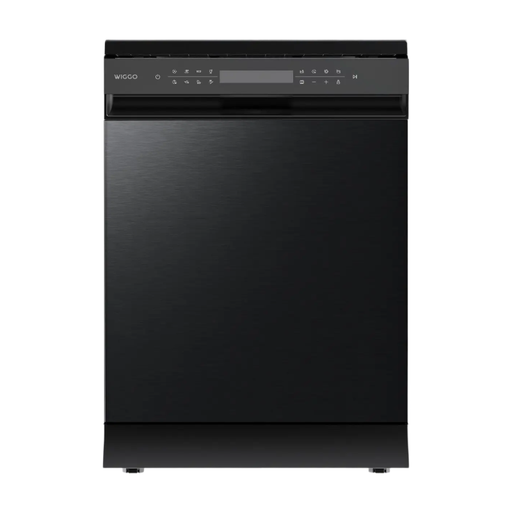 No image available
The adjustable upper rack and three racks are useful if you want to fit different types of dishes from a meal.
14 place settings; 64 kWh per 100 cycles; 42 dB.
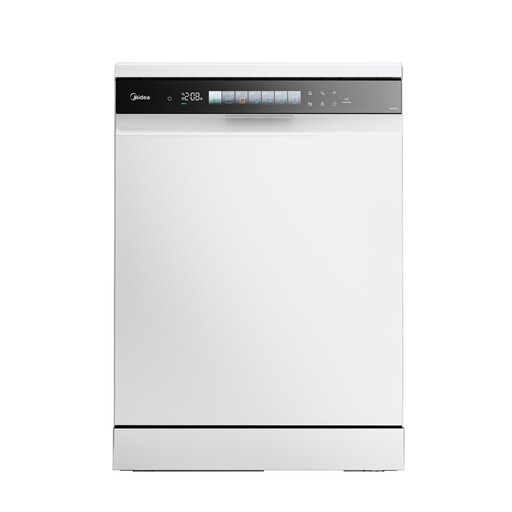 No image available
The capacity for 14 place settings and the cutlery tray can help you keep dishes and cutlery separate when loading.
Three racks; B energy rating; 9.8 litres of water per cycle; 40 dB, or 38 dB on the Whisper programme.
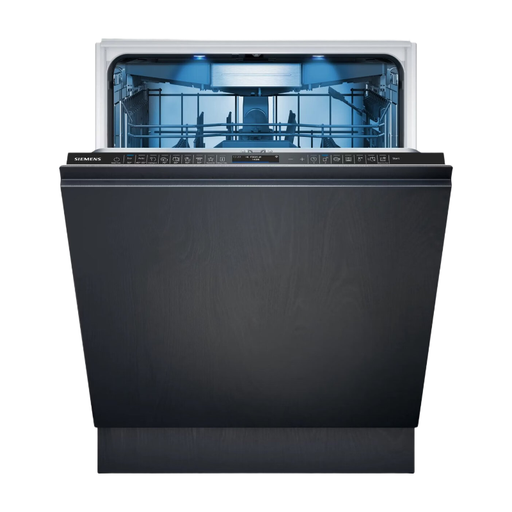 No image available
This integrated model is designed for a kitchen with a suitable cabinet opening. flexComfort Pro racks are listed for flexible loading.
A energy rating; 42 dB; Zeolith drying system.
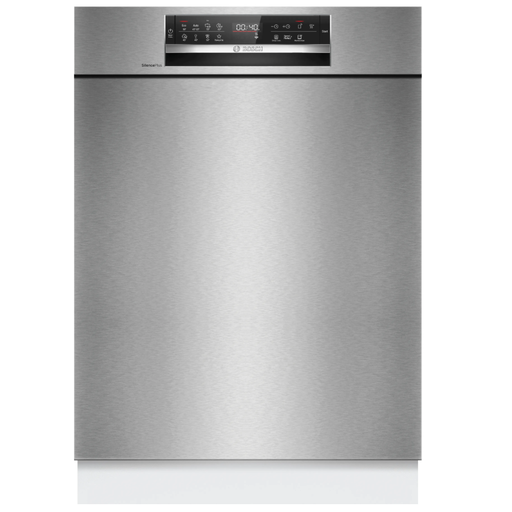 No image available
The capacity for 14 place settings, Max Flex racks and VarioDrawer are useful features if you want flexibility when arranging plates and cutlery.
A energy rating; 54 kWh per 100 cycles; 9 litres of water per cycle; 42 dB.
 No image available
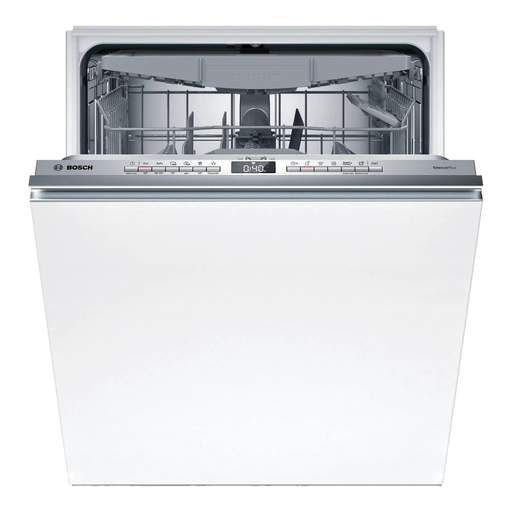
This extra-tall integrated model is designed for a suitably high cabinet opening. Check the opening dimensions before choosing this type.
A energy rating; 42 dB; Flex racks and VarioDrawer.
Usually not. The Consumentenbond recommends scraping off food scraps, not stacking plates and making sure the spray arms can rotate freely.
For normally soiled dishes, eco is a good starting point; the energy-label figures are based on this programme. Check the manual if you want to use a quicker programme.
Measure the space or cabinet opening, and check the installation manual for the requirements for water, drainage and electrical connections. The stated number of place settings doesn’t confirm that the appliance will physically fit.
In the Netherlands, the retailer is responsible for the statutory guarantee if the product doesn’t meet what you could reasonably expect. According to ACM ConsuWijzer, depending on the circumstances, the retailer may repair or replace it free of charge, or give you your money back. A separate manufacturer’s guarantee doesn’t replace this right.
When you buy a new, similar appliance, the retailer must take back your old one, according to the Rijksoverheid. The arrangements for handing it over or having it collected free of charge later may vary.