What should you look for when buying?
Start by considering how many dishes you have and how much space is available; then check that the racks suit your plates. Finally, compare noise and consumption based on the programme you’re most likely to use.
| What to consider |
What should you look for? |
Who is this important for? |
| Capacity for everyone’s dishes |
Count the plates and other dishes you get through between washes; compare the number of place settings and the rack layout. |
If several housemates are adding to the evening washing-up, we want enough room without having to run the machine half-empty. Around 28% of consumers put capacity for shared washing-up first. |
| Suitable size and installation |
Measure the height, width and depth; check the door swing and access to the water supply and drain. |
If kitchen space is limited, we want a model that fits without blocking the walkway or worktop space. Around 22% of consumers prioritise the space available. |
| Room for dinner plates |
Measure the plate diameter and check the rack height and the clearance needed for the spray arms. |
We want to load our everyday dinner plates without obstructing the spray arms. Around 17% of consumers consider suitable plates and rack layout the most important factor. |
| Noise in a shared space |
Compare the dB(A) rating and the duration of the eco or night programme on the exact model. |
If other people are cooking, eating or spending time in an adjoining room, we want to know whether the noise level and programme duration suit when we plan to use it. Around 17% of consumers prioritise a quieter experience when sharing the space. |
| Electricity and water consumption |
Compare kWh per 100 eco cycles, litres per eco cycle and programme duration. |
If we wash dishes often, we want to compare consumption using the same programme and a realistic load. Around 16% of consumers focus mainly on ongoing consumption. |
Dishwashers at Joybuy
This selection includes freestanding models for shared washing-up and built-in models for kitchens with a suitable housing space.
 No image available
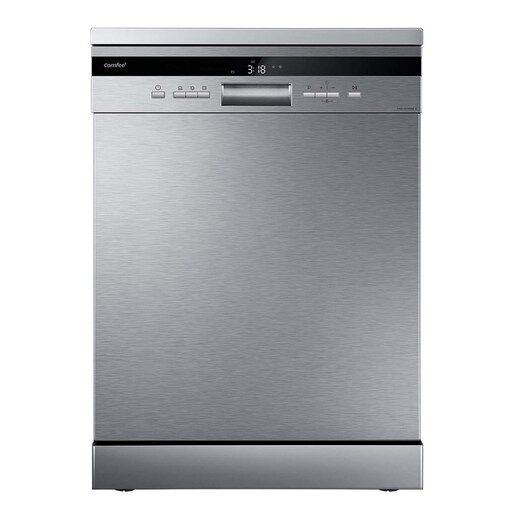
COMFEE' FD1435E-X freestanding dishwasher
A freestanding model to compare if you have lots of shared washing-up per cycle.
14 place settings; 44 dB; energy class D. The product name mentions flexible racks.
View at Joybuy
 No image available
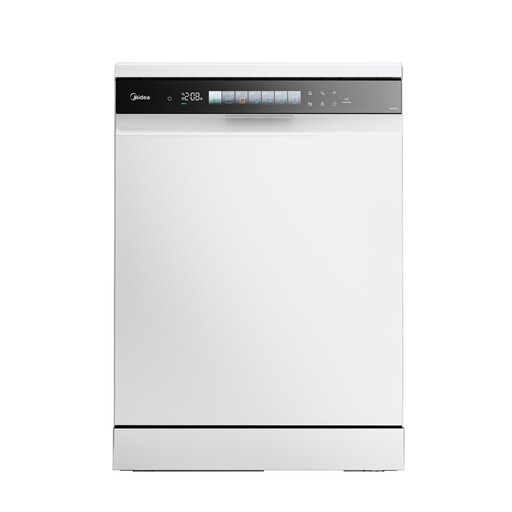
Midea MDWEF1433GW-W freestanding dishwasher
A freestanding model to compare if capacity and the stated night mode matter in your shared kitchen.
14 place settings; 9,8 litres per cycle; energy class B; 40 dB and 38 dB for the night programme. The description lists nine programmes.
View at Joybuy
 No image available
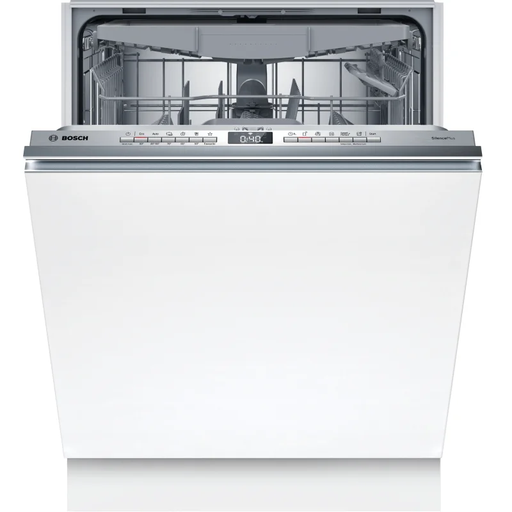
Bosch SMV4EVX08E fully integrated dishwasher, 60 cm
A built-in model to consider if your kitchen has a suitable housing space and kitchen door panel.
14 place settings; energy class B; 44 dB; 9 litres per eco cycle. The description mentions adjustable racks.
Before buying, check that the housing space and kitchen door panel are suitable.
View at Joybuy
 No image available
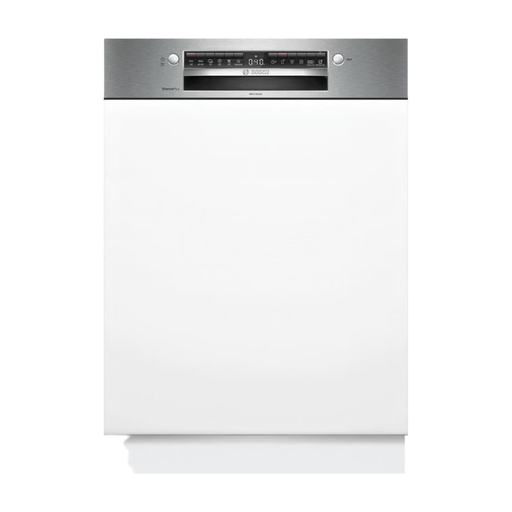
Bosch SMI4HCS07E built-in dishwasher, 60 cm
A built-in model to compare if you have a suitable installation space and rack layout matters to you.
13 place settings; 42 dB; 9 litres per cycle; 75 kWh per 100 cycles. The description mentions an upper rack that adjusts by up to 5 cm and a VarioLade.
Check that the existing housing space suits the installation dimensions.
View at Joybuy
 No image available
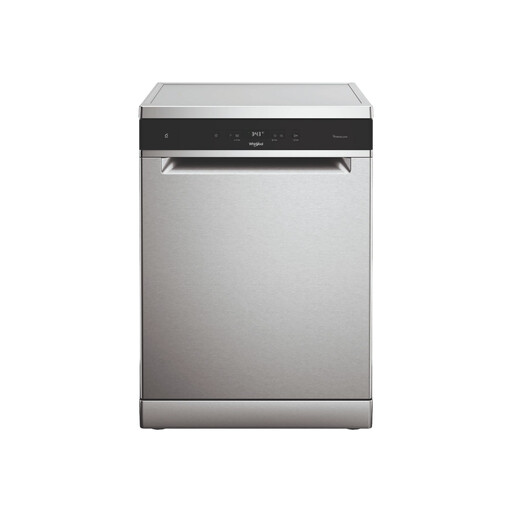
Whirlpool WFC 3C34 P freestanding dishwasher
A freestanding model to compare if you want to coordinate dishes and wash cycles in a shared kitchen.
14 place settings; energy class D; 44 dBA. The description lists eight programmes, an option to wash one rack and automatic door opening.
View at Joybuy
Frequently asked questions
How can we check whether our dinner plates will fit?
Measure the plate diameter and check the maximum plate size and rack height for the exact model. Leave space between plates when loading and make sure the spray arms can rotate freely.
Should we pre-rinse plates, and which programme should we choose?
Scrape off food scraps; pre-rinsing usually isn’t necessary. For normally soiled dishes loaded correctly, the eco programme is an economical option, but it takes longer and the Consumentenbond says it’s less suitable for very dirty dishes.
How should we share maintenance and running costs?
Agree on who will clean the filter and top up the salt, rinse aid or dishwasher detergent. Set the salt level according to your local water hardness and the manual; compare running costs using your own number of cycles, chosen programme and tariffs.
What are your rights in the Netherlands if a product develops a fault?
Consumer purchases are covered by a legal guarantee: the seller must offer a solution if the product doesn’t meet what you could reasonably expect. According to the Dutch government, there is no fixed statutory guarantee period in the Netherlands; a manufacturer’s guarantee doesn’t replace this right.
Is an energy label compulsory for dishwashers?
Yes. The Dutch government states that dishwashers are among the appliances that must have an energy label. Use the current A-to-G scale to compare models; the consumption figures on the label are based on the eco programme.


