What should you look for when buying?
First check whether you can usually fill the machine properly and whether the size will fit. Then compare the cutlery layout and practical features of the models. Milieu Centraal notes that a standard-size model is most beneficial when it’s fully loaded.
| What to consider |
What should you check? |
Who is this most important for? |
| Capacity and how often you can fill it |
Compare the stated number of place settings and the basket layout with the amount of washing-up you share. Think about how often the machine can actually be run full. |
If we wash cutlery and crockery from several people together, I want enough room without constantly running half-full loads. Around 28% of consumers prioritise capacity and how often they can fill the machine. |
| Fit and connections |
Measure the available space or recess and check the water inlet, drain and electrical connection as specified in the manual. |
If the kitchen has limited space or uses an existing recess, I want to make sure the machine and connections will fit. Around 22% of consumers prioritise fit. |
| Cutlery layout |
Look at the drawer or basket on the exact model and check there’s room for longer cutlery and other crockery. |
If several people load and unload the dishwasher, I want a layout that works for everyone. Around 22% of consumers choose the cutlery layout as their main consideration. |
| Consumption |
Compare the current energy label, electricity consumption per 100 eco cycles and water consumption per cycle. Take the load into account. |
If the machine runs often, I want to consider its stated electricity and water consumption. Around 17% of consumers prioritise consumption. |
| Noise |
Compare the stated noise levels of the models; this won’t guarantee how loud the machine sounds in your kitchen. |
If the kitchen is close to a living or working area, I want to factor in noise without losing sight of fit and capacity. Around 11% of consumers prioritise quiet operation. |
Dishwashers at Joybuy
This selection includes freestanding and integrated models in 45 and 60 cm widths. For each model, check that the dimensions, connections and cutlery layout suit your kitchen and how you’ll use it.
 No image available
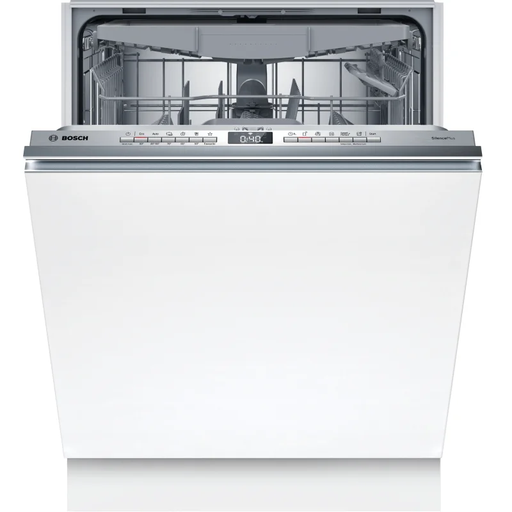
Bosch SMV4EVX08E Series 4 fully integrated dishwasher, 60 cm
The fully integrated model may suit a kitchen with a suitable recess and connections; check the required built-in dimensions.
The product name states a width of 60 cm.
Joybuy
 No image available
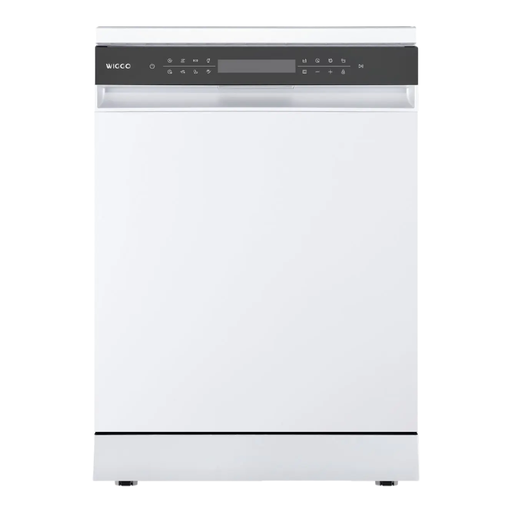
Wiggo WD-F6148B freestanding dishwasher, 60 cm
The freestanding model may suit a kitchen with space for a standalone appliance; check where it will go and the available connections.
The product name states a width of 60 cm, a white finish and energy rating B.
Joybuy
 No image available
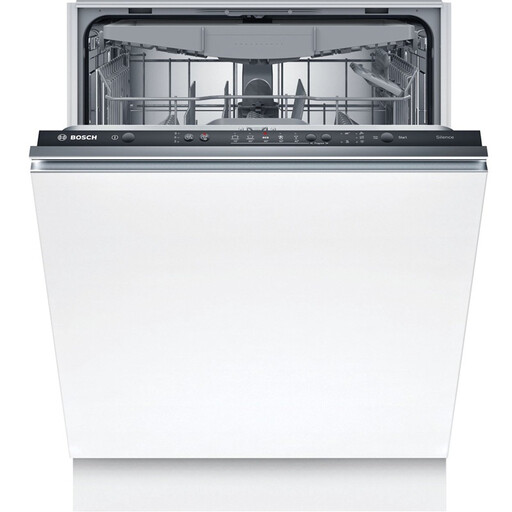
Bosch SMV25EX02E integrated dishwasher, 60 cm, 13 place settings
This integrated model may suit a kitchen with a suitable recess and connections; check the built-in dimensions before buying.
The product name states a width of 60 cm and a capacity of 13 place settings.
Joybuy
 No image available
Bosch SPS4EMI17E freestanding dishwasher, 45 cm, 13 place settings
The slimline freestanding model may suit a kitchen where width is limited; compare its capacity with the washing-up from everyone who’ll use it.
The product name states a width of 45 cm and a capacity of 13 place settings.
Joybuy
 No image available
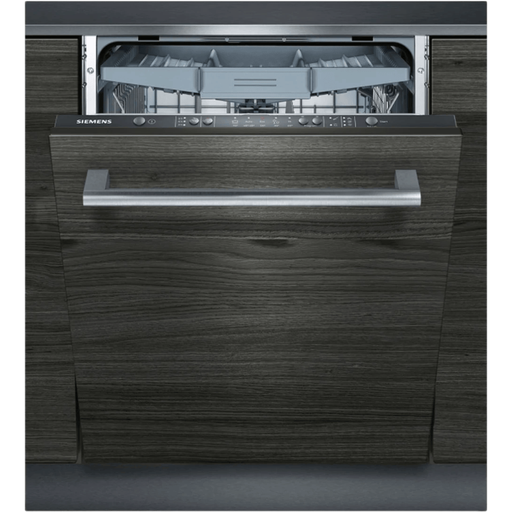
Siemens SN615X03EE fully integrated dishwasher, 60 cm, 13 place settings
The fully integrated model may suit a kitchen with a suitable recess; check the dimensions and connections.
The product name states a width of 60 cm and a capacity of 13 place settings.
Joybuy
Frequently asked questions
Should we choose a 60 cm dishwasher because several people use the kitchen?
Not necessarily. According to Milieu Centraal, a standard-size model is most beneficial if you can run it fully loaded. If you can’t, or there isn’t enough space, compare a slimmer model for capacity and consumption.
How can we stop cutlery coming out of the dishwasher unclean?
Arrange the dishes so water can reach them and the spray arms can rotate freely. If the cleaning results aren’t up to scratch, Bosch also advises checking the filter, spray arms, load and selected programme.
What should we check before installation?
Measure the available space or recess and, following the manual for your chosen model, check the water inlet, drain and suitable electrical connection. The Consumers’ Association describes more installation steps for integrated models than for freestanding ones.
How should we compare consumption, and what should we do if the machine breaks down?
Compare the stated consumption in kWh per 100 eco cycles and the water consumption; actual use also depends on the programme, how you use the machine and your tariffs. According to the Dutch government, consumer purchases are covered by a legal guarantee with no fixed statutory guarantee period, and the seller is the point of contact if a product is faulty. Different purchase and service terms may apply if you buy on behalf of a business.
Is an energy label required for a household dishwasher?
Yes. The Dutch government states that dishwashers must have an energy label. The scale runs from A to G, and the label also includes information about water consumption.


