
Manager of a small shared kitchen
You need to find a suitable spot and connections for an appliance used by several people. Its size and usable loading space determine which type is practical.


Start by considering the space available, suitable connections and the amount of shared washing up. Then check that your lunchboxes and separate lids fit properly in the racks. A slimline model takes up less width, a standard model offers more loading space, and a countertop model is mainly an option when a larger appliance won’t fit. Plastic items may still be wet after a wash, so allow time for them to dry further.
You need to find a suitable spot and connections for an appliance used by several people. Its size and usable loading space determine which type is practical.
You want to be able to load containers, lids and separate parts, then put them away dry. Plastic may still be wet afterwards; also follow the care instructions for your lunchboxes.
You want enough space for everyone’s washing up and need to consider the rack layout, running costs and noise when choosing.
Start with the available space and connections. Then choose a size that suits the shared load and check that your lunchboxes can stand securely.
Suitable when: there is room for a freestanding appliance about 45 cm wide, but not for a standard-width model.
Trade-off: a narrower appliance will generally have less loading space.
Suitable when: around 60 cm of width is available and several users generate enough washing up to make use of the extra space.
Trade-off: the appliance takes up more physical space; any potential efficiency benefit depends on loading it properly.
Suitable when: there is no room for a floor-standing model, and the worktop, connections and internal space are suitable.
Trade-off: there is less loading space. Milieu Centraal generally warns that mini dishwashers can have relatively high consumption and often disappointing test results; assess the specific model separately.
| What to consider | What to check before buying | Who is this most relevant to? |
|---|---|---|
| Positioning and connections | Measure the available space and door clearance; check the water supply, drainage and installation requirements for the exact model. | If space or connections are limited in my shared kitchen, I want to know first whether the appliance can actually be installed. Around 26% of consumers put positioning and connections first. |
| Getting lunchboxes clean and putting them away dry | Check the rack layout, drying options and care instructions for containers and lids; if necessary, leave the parts to dry separately. | I want to be able to load containers and parts properly and put them away dry, without assuming plastic will come out of the machine dry straight away. Around 26% of consumers give this need top priority. |
| Capacity for shared use | Estimate the usual shared load and check that the rack height and layout work with your own lunchboxes. Place settings don’t indicate exactly how many lunchboxes will fit. | When washing up comes from several users at once, I want enough room for the whole load. Around 21% of consumers put capacity for shared use first. |
| Energy and water use | For specific models, compare consumption in kWh per 100 eco cycles and litres per eco cycle; consider how often you can run a full load. | With regular use, I want to be able to take electricity and water consumption into account. Around 16% of consumers make consumption their main buying concern. |
| Noise in the kitchen | Compare the stated noise level in dB on the labels of specific models and weigh it against the space available and rack layout. | When other people are using the kitchen while the dishwasher is running, I want to limit noise. Around 11% of consumers put noise levels first. |
A place setting refers to standard tableware for one person for one meal, not the dimensions of a container with a lid. An awkward layout may mean you need to run extra cycles.
Measure your containers and check the racks and space for separate parts before buying.
With a small machine, allow extra time if the shared washing up needs to be split across several cycles.
A smaller machine does not automatically use less energy in proportion to the amount of washing up. Milieu Centraal warns that mini dishwashers can have relatively high consumption and emphasises that a standard model should be fully loaded.
Compare the labels of specific models and consider how many full loads the shared washing up will require.
Bosch explains that plastic absorbs less heat and may therefore not dry as well. Mepal recommends leaving the container and lid of its own lunch products to dry separately.
Check the drying options without expecting a guaranteed result, and make sure you have somewhere to leave parts to dry further if needed.
Allow extra time and space for containers and lids to dry.
The slimline freestanding SPS4HKW49E is worth considering if adjustable racks and an extra drying option are important to you. Bosch lists 44 dB and Extra Dry for this model.
The freestanding slimline BDFS26046XQ is a narrow option to look into if a countertop model doesn’t offer enough loading space.
The freestanding SN23EC03ME is a standard-width option for anyone looking for room for a larger shared load.
The VVW5520 is a compact countertop model to consider if a larger appliance won’t fit in your kitchen.
This selection includes standard freestanding models for shared washing up, as well as a compact countertop model for spaces where room is limited.
 No image available
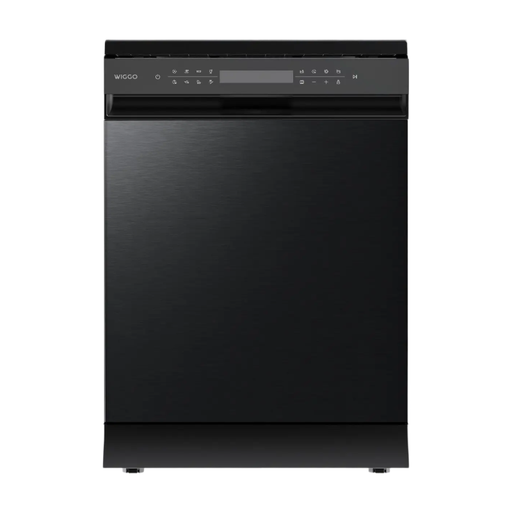
This standard-width freestanding model is worth considering if you have room for a larger shared load.
The product name specifies 60 cm and energy class B.
 No image available
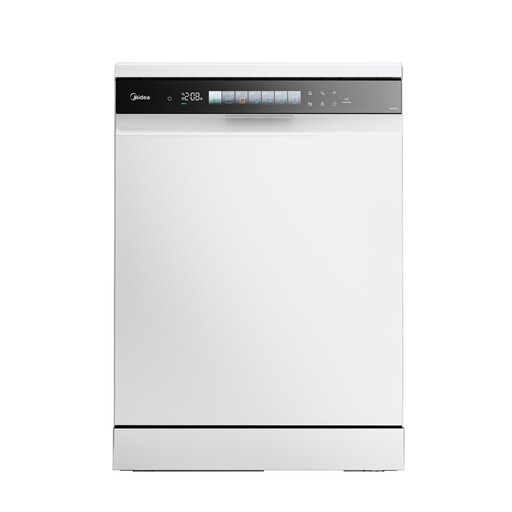
This freestanding model is an option for a shared kitchen with room for a standard-size appliance.
The product name specifies the colour white.
 No image available
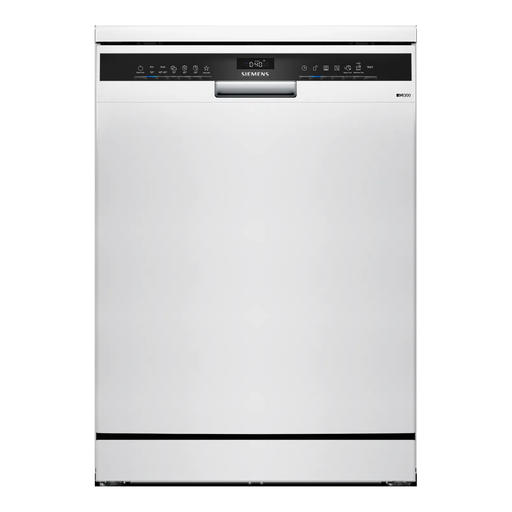
This standard-width model is worth considering when several users generate enough washing up together.
The product name specifies a width of 60 cm.
 No image available
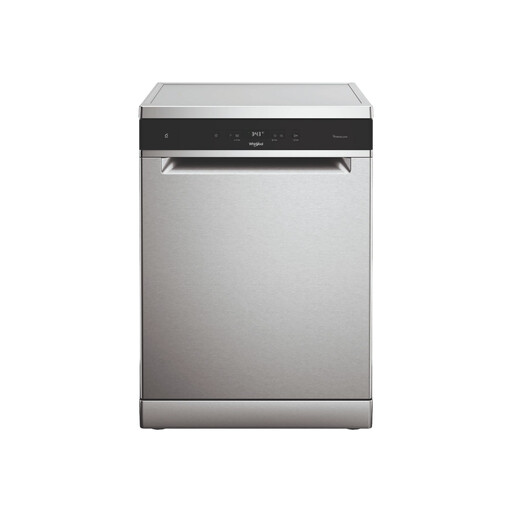
This freestanding model is worth considering if your shared load calls for a standard-size appliance.
The product name specifies 44 dBA and energy class D.
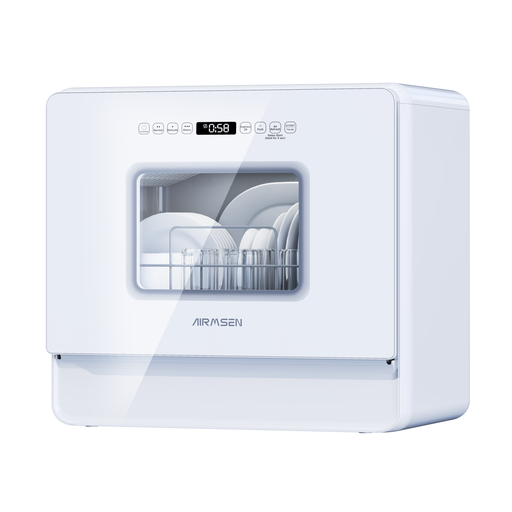 No image available
A compact countertop model is an option when a larger appliance won’t fit; bear in mind that there is less room for shared washing up.
The product name specifies a two-tier rack and a built-in 5 L water tank.
No, plastic may still be wet after a wash. Bosch explains that plastic absorbs less heat; Mepal recommends leaving the container and lid of its own products to dry separately. For other lunchboxes, follow the relevant care instructions.
Remove large food scraps and clean the filters regularly too. According to Consumentenbond, grease can build up particularly when short or low-temperature programmes are used frequently.
On the Dutch dishwasher label, compare figures such as kWh per 100 eco cycles, litres per cycle and the noise level. The consumption figures are based on the eco programme and do not automatically apply to every other programme. Energielabel.nl explains the label information.
Yes. The Dutch government states that dishwashers are among the appliances for which an energy label is required. The current classes range from A to G.
If you bought it as a consumer, you may be covered by the statutory guarantee if the product does not meet your reasonable expectations. According to ACM ConsuWijzer, the seller is responsible; a manufacturer’s guarantee period does not replace this right.