Who is this relevant to?

Workshop organisers with lots of lunchboxes

After a session, you may need to wash several boxes and separate lids at once. How you load the racks and how long you have before the next group arrives can help you choose a machine that suits your schedule.

Organisers who want to put boxes away quickly

If you need to put plastic parts away soon after washing, don’t just look at the drying method: water can collect around the edges. Mepal recommends letting its Campus lunch products dry and storing them with the lid and container separate.

Organisers with limited kitchen space

The machine needs to fit the available space and connections. How often you use it and which programmes you choose will also affect your energy and water use.

What should you look for?

Freestanding domestic dishwasher

A good fit when: you have a suitable space with the right connections and can wash up in planned loads.

Trade-off: an eco programme can take a long time, while a short programme may spend less time drying.

Built-in domestic dishwasher

A good fit when: your kitchen has a suitable space and you want plastic parts to come out as dry as possible at the end of a cycle.

Trade-off: check the space, rack layout and actual height of your boxes. Manufacturers’ drying claims are not independent tests using your lunchboxes.

Commercial front-loading or pass-through dishwasher

A good fit when: back-to-back workshops create so much washing up that domestic dishwasher cycles hold up your turnaround.

Trade-off: assess the complete washing-up setup. Rack throughput doesn’t tell you how many boxes will fit, or guarantee that plastic items will be dry straight away.

What to consider What should you check? Who is this most relevant to?
Clean, undamaged boxes Check the suitable programmes and positioning for each box and lid. Consumentenbond recommends placing delicate plastic items in the top rack. I want water to reach the edges and lightweight parts to stay stable, without the risk of warping. Around 33% of consumers prioritise thorough cleaning and undamaged lunchboxes.
Number of boxes and turnaround time Count bases and lids separately, then test how many can fit securely in a rack. Don’t convert place settings into a number of lunchboxes. If I have lots of parts to wash after a session before the next group arrives, the actual load matters more than a general capacity rating. Around 27% of consumers put load size and turnaround time first.
Drying plastic items Compare the drying phase and how the parts are positioned. Bosch claims that PerfectDry delivers better drying results for standard domestic plastic items in a comparison under specified test conditions; this doesn’t prove how your lunchboxes will dry. I want to be able to put boxes away quickly after washing, but I’ll bear in mind that water can remain in lids or around the edges. Around 27% of consumers make drying plastic their top priority.
Space and running costs Measure the available space and check the connections. Milieu Centraal recommends comparing domestic models on factors including kWh per 100 washes. If my kitchen has little space or the machine runs often, I want its size and programmes to suit the way I use it. Around 13% of consumers make space and running costs their top priority.

Common buying mistakes

  • Assuming place settings equal the number of lunchboxes

    A place setting means the tableware for one person; a lunchbox with a lid has a different shape and takes up a different amount of rack space.

    Count bases and lids separately, and compare their dimensions with the racks.

    If the parts don’t fit together, you may need extra loads or extra time to wash the separate lids.

  • Choosing a short programme and expecting plastic to come out dry straight away

    According to Consumentenbond, the drying phase is often shortened or skipped on short programmes. Water can also remain around the edges.

    Compare washing and drying times, and if necessary leave lids and boxes to drain separately before putting them away.

    Allow extra draining or drying time between workshops.

  • Judging a commercial machine by racks per hour alone

    Rack throughput doesn’t tell you how many of your boxes will fit or how securely lightweight plastic parts will sit. HOBART lists water quality and detergents as factors affecting the result; Winterhalter describes special racks for certain applications.

    Discuss the complete washing-up setup using the boxes and lids you actually use, not just the machine specifications.

    A complete setup may also require suitable racks, water treatment, cleaning products, drying equipment and servicing.

Brands to consider for different options

Inventum

A freestanding domestic option for planned loads; the VVW6036AW is a specific model with an adjustable top rack.

  • Inventum lists 14 place settings, an intensive programme and 9,8 litres per wash for the VVW6036AW.
  • Place settings don’t tell you how many lunchboxes will fit or how well plastic boxes will dry.

Bosch

A built-in option if drying plastic is important; Bosch says the SMV6YCX07E has flexible racks and PerfectDry.

  • In Bosch’s own test, PerfectDry dried standard domestic plastic items better than a comparable Bosch model without this technology, using the Eco50 programme with Finish Ultimate Plus.
  • This test doesn’t show how lunchboxes from other brands or all plastic parts will dry.

Siemens

A taller built-in option: the SX65ZX16CE is an XXL model with Zeolith drying and flexible racks.

  • Siemens says it offers space for larger items and improved drying for plastic.
  • The stated appliance height is 865 mm. Check that it fits your space and that your own boxes can stand in the racks.

HOBART

A commercial front-loading option: HOBART positions the PROFI FX for crockery, cutlery and glassware, including in restaurants and cafés.

  • HOBART emphasises that water quality and detergents are important to the washing results, as well as the machine itself.
  • The product information doesn’t confirm a specific lunchbox capacity or immediate drying of plastic items.

Winterhalter

A commercial option for high rack throughput. Winterhalter also describes a separate solution with special racks and programmes for plastic cups and bowls.

  • Winterhalter states that the PT-M can handle up to 49 racks per hour.
  • That throughput doesn’t tell you how many lunchboxes can be washed per hour. The features of the separate reusable-cup solution don’t automatically apply to a PT-M without the relevant rack, settings and any drying equipment.

Joybuy products

This selection includes domestic dishwashers for planned loads, in both freestanding and built-in designs. Check capacity and drying time using the parts you actually use.
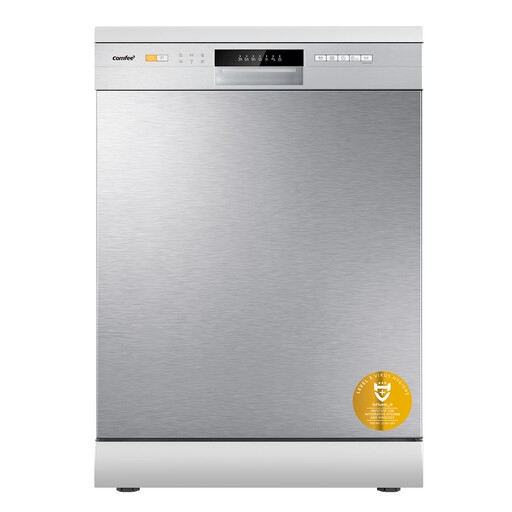
Comfee' CDWPF1201PS freestanding dishwasher

Comfee' CDWPF1201PS

The freestanding design suits a standalone setup; the stated half-load option and delay start give you more flexibility when planning loads.

12 place settings, half load, delay start, 72 °C hygiene wash, flexible racks, 49 dB, energy class E.

View at Joybuy
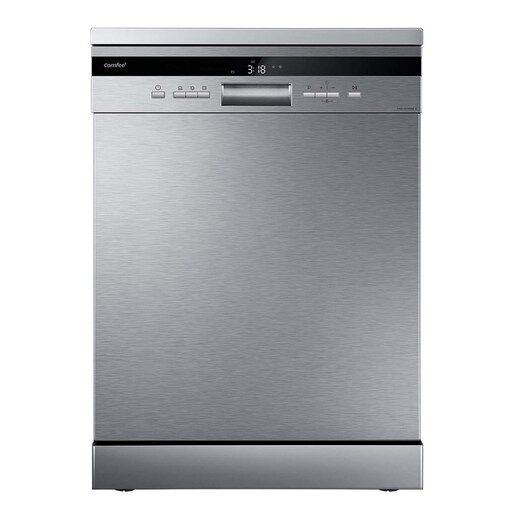
Comfee' FD1435E-X freestanding dishwasher

Comfee' FD1435E-X

This freestanding design is a domestic option for planned workshop loads; check the actual rack space available for boxes and lids.

14 place settings, 44 dB, delay start, half load, flexible supports, energy class D.

View at Joybuy
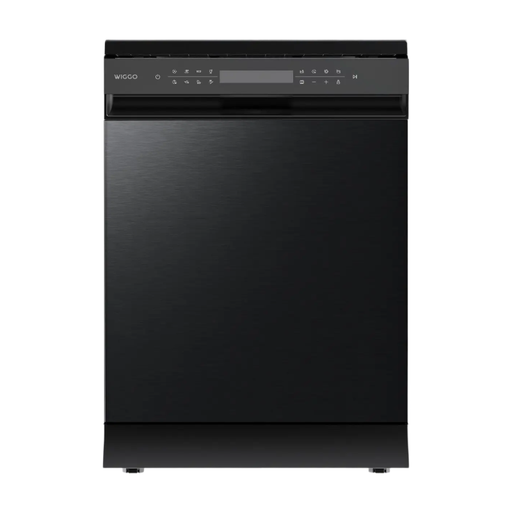
Wiggo WD-F6148B freestanding dishwasher, Dark Inox

Wiggo WD-F6148B

This freestanding design suits a kitchen with a suitable space for a standalone appliance; measure the available space before choosing this 60 cm model.

60 cm, full-size, Dark Inox, energy class B.

View at Joybuy
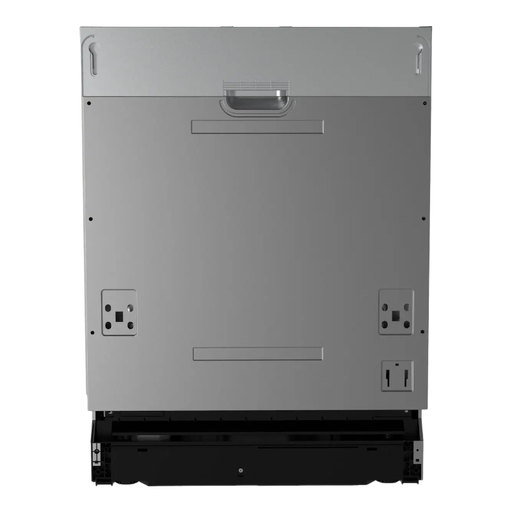
Wiggo WD-B6126E built-in dishwasher, white

Wiggo WD-B6126E

This built-in design suits a kitchen with a suitable space; check the installation dimensions and the room available for your boxes.

60 cm, fully integrated, white, energy class E.

View at Joybuy
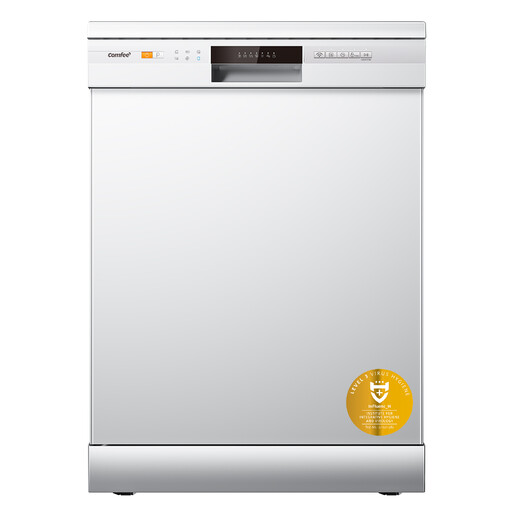
Comfee' CDWPF1201PW-WE-EU freestanding dishwasher

Comfee' CDWPF1201PW-WE-EU

This freestanding design offers a domestic option for planned loads; check that the programmes suit the washing instructions for your boxes.

12 place settings, 8 programmes, 70 °C hygiene wash, quick wash, WiFi and IoT, energy class E.

View at Joybuy

Frequently asked questions

Can every dishwasher-safe part go on a hot or intensive programme?

No. Dishwasher-safe doesn’t mean that every part can withstand every programme. Check the instructions for the box and lid; Consumentenbond recommends placing delicate plastic items in the top rack. Mepal’s advice for a specific food storage range isn’t a general temperature limit for all lunchboxes.

What do you need to install a dishwasher in a workshop kitchen?

Before buying, check the dimensions and make sure there’s a water supply, drain and suitable earthed socket. A freestanding and a built-in model need different installation arrangements; follow the chosen appliance’s instructions when connecting it.

What warranty applies if you buy a dishwasher for your cooking workshop?

According to ACM ConsuWijzer, consumer protection doesn’t apply to a purchase that is used mainly or exclusively for business. Consumer purchase rules therefore shouldn’t automatically be presented as a guarantee for a business purchase; check the business sales and service terms.

Does a cooking workshop need a food safety plan because it has a dishwasher?

The dishwasher alone doesn’t determine this. According to NVWA, a food safety plan or applicable hygiene code, as well as registration, is required when a business sells food to consumers several times a year. Whether these requirements apply to your workshop depends on what you do.

How can you keep your boxes and dishwasher in good working order after washing?

Remove food residue, position boxes and lids so water can drain away, and only put them away once they’re dry enough. Follow the dishwasher’s instructions for detergent and maintenance, and the box manufacturers’ guidance for their products.
