
Host with little time to spare
You want to know when your lunch boxes will be clean and ready to use before your friends arrive. Compare the duration and results of the programme you choose, not just whether it has a quick-wash button.


First, choose a type and size that suit your kitchen. Then compare the duration and drying results of the programme you plan to use before guests arrive. Check the rack and temperature guidance for each lunch box and lid, as advised by the Netherlands Nutrition Centre. If you often run full loads, comparing the eco programme can help you decide: Milieu Centraal advises running the dishwasher full and using the eco programme.
You want to know when your lunch boxes will be clean and ready to use before your friends arrive. Compare the duration and results of the programme you choose, not just whether it has a quick-wash button.
You reuse your lunch boxes often and want to know how to clean and dry them according to the manufacturer's instructions. Check the guidance for each component and the drying function of the specific dishwasher model.
You want a machine that fits the space available and has enough rack room for lunch boxes, lids and other dishes.
Start with the type of dishwasher and the space available. Then compare the full programme duration and expected drying results with when you’ll need your lunch boxes again.
| What to consider | What to look for when buying | Who is this important for? |
|---|---|---|
| Lunch boxes ready in time | Check the full cycle duration and the drying results of the programme you plan to use. | If friends are due to arrive soon, I want to know in advance when my lunch boxes will be ready to use again; a short programme time doesn’t tell me enough on its own. Around 31% of consumers give having them ready in time their highest priority. |
| Cleaning and drying plastic | Check the recommended temperature and rack, and see which drying function is available with your chosen programme. | I want to reuse my plastic lunch boxes without ignoring the material care instructions or having to dry them afterwards. Around 25% of consumers prioritise suitable cleaning and drying for plastic. |
| Size and loading space | Measure the available space or appliance opening, and compare the rack layout with your largest lunch boxes and lids. | I want to know whether my lunch boxes, lids and everyday dishes will fit without the machine taking up too much kitchen space. Around 25% of consumers give a suitable size and practical loading space their highest priority. |
| Consumption when washing regularly | Compare energy consumption per 100 eco cycles and water consumption per eco cycle; consider whether you can wait until you have a full load. | If I wash dishes often, I want to compare the eco programme’s consumption and know whether I can wait for a full load. Around 19% of consumers prioritise ongoing running costs. |
The energy label figures relate to the eco programme. You’ll need to assess the duration and drying results of the cycle you plan to use before guests arrive separately.
Check the full programme duration and whether your lunch boxes will be ready to use after the cycle.
Some plastic components are only suitable for a particular rack or a lower temperature.
Check the instructions for the lunch box and lid separately before choosing a programme.
The number of place settings doesn’t tell you whether lunch boxes and lids will fit in the racks or sit securely.
Measure your largest items and check the rack layout. If the load doesn’t fit, you may need to run an extra cycle.
The freestanding BDFS26046XQ is a slimline model for kitchens where space is limited.
The fully integrated XXL SBV6ZBX26E is designed for a suitably sized appliance opening.
The freestanding VVW6036AW could suit a kitchen with room for a standard-width model and a larger load on a regular basis.
The fully integrated KEAF2100L is a slimline model for a suitably sized appliance opening.
The freestanding G 5632 SC Active S is a model to compare if you’re looking for a standard-width machine.
This selection includes integrated and freestanding dishwashers for households looking for space for lunch boxes and other dishes. For each model, check the installation dimensions or available space, and compare the rack layout with your own lunch boxes.
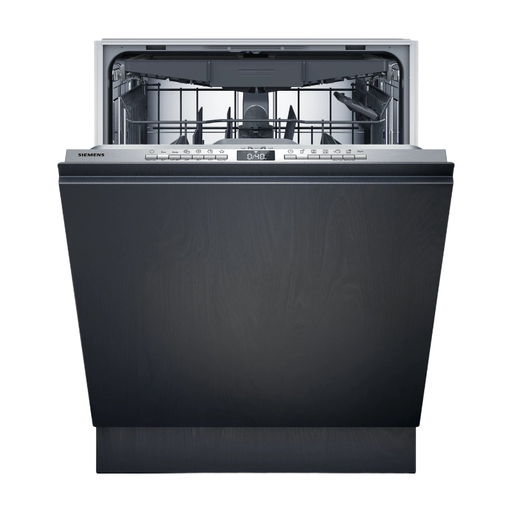 No image available
An integrated model for a kitchen with a suitably sized appliance opening; check that the racks have room for your lunch boxes and lids.
14 place settings.
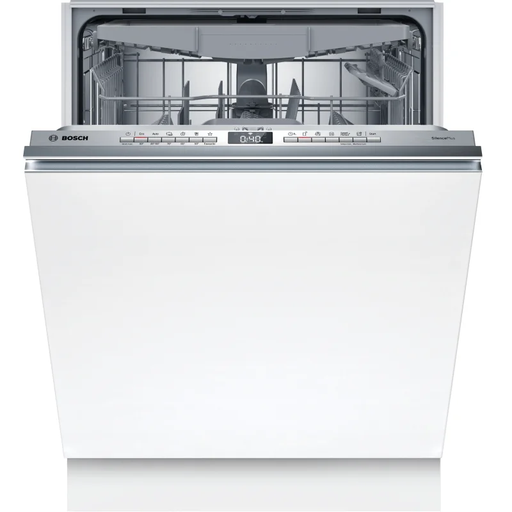 No image available
An integrated model for a suitably sized appliance opening; measure the available space and check that the rack layout suits your lunch boxes.
60 cm wide.
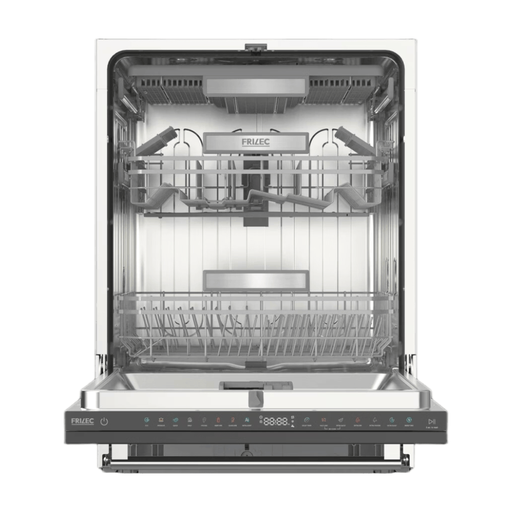 No image available
A built-in model for a kitchen with a suitably sized appliance opening; compare the available rack space with the dimensions of your lunch boxes and lids.
16 place settings.
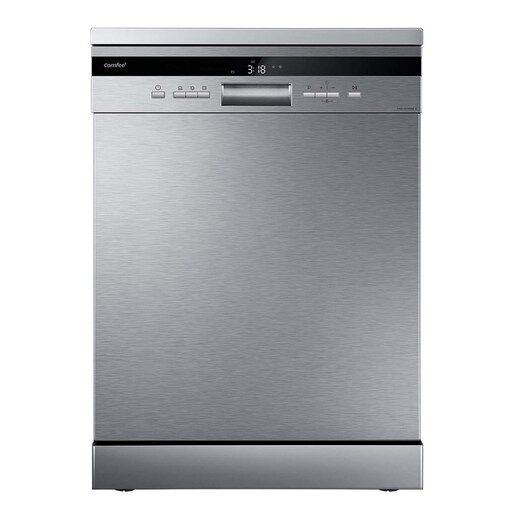 No image available
A freestanding model for a kitchen with room for a standard-size machine; check that your lunch boxes fit in the racks.
14 place settings; 44 dB.
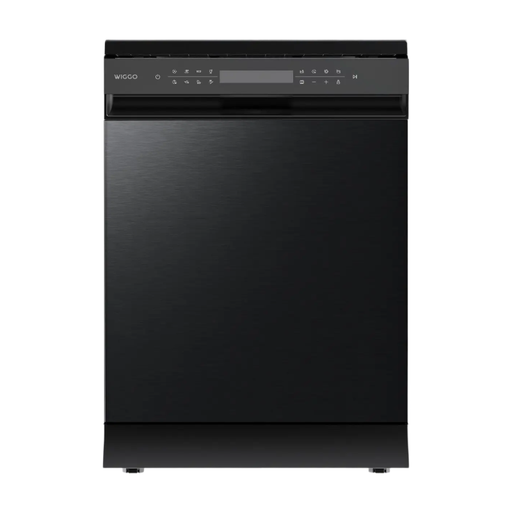 No image available
A freestanding model for a kitchen with room for a standard-width machine; measure the available space and check how your lunch boxes fit in the racks.
60 cm wide.
No, it depends on the instructions for the lunch box and lid. The Netherlands Nutrition Centre points out that some plastic items can only go in the top rack or be washed in the dishwasher at a lower temperature.
Remove food scraps, don’t stack the items and make sure the spray arms can rotate freely. Also follow the instructions for positioning plastic items; the Consumers’ Association offers this general advice on using dishwashers.
Not directly: the information on the dishwasher label relates, among other things, to the eco programme. The European Commission lists energy consumption per 100 eco cycles, water consumption per eco cycle and the duration of the eco programme. Compare a quick programme separately if you use it often.
In the Netherlands, you can claim your statutory guarantee from the seller. According to the Dutch Government, there is no fixed statutory guarantee period; the appropriate solution depends on the fault and what you could reasonably expect from the product. Any manufacturer’s guarantee is in addition to this.
Yes, household dishwashers must have an energy label. The Dutch Government states that the dishwasher label also includes information about water consumption.