
Host with lots of mugs to wash
You want to fit mugs and dinnerware into as few well-organised loads as possible. Check the rack height and the space between mug holders; Inventum lists an adjustable upper rack for its VVW6036AW.


First, choose a dishwasher that fits your available space and suits your preferred installation type. Then check the rack layout against your own mugs: place settings don’t tell you how many mugs will fit. A spacious, adjustable rack can help with mixed loads, while a slimline model may have a lower stated standard capacity. Compare programme times separately from the eco-programme figures on the EU energy label.
You want to fit mugs and dinnerware into as few well-organised loads as possible. Check the rack height and the space between mug holders; Inventum lists an adjustable upper rack for its VVW6036AW.
You want to find out whether a freestanding, slimline or built-in appliance will fit your kitchen, then check how much usable rack space it offers. Consumentenbond describes these different installation types; also check the dimensions and installation requirements of the model you choose.
You expect to run another load during or shortly after a visit, so you’re comparing programme times with consumption on the eco cycle. Siemens lists a 60-minute programme for the SN23EW03ME; this isn’t an eco-label figure.
First, measure the available space and choose a suitable installation type. Then check whether your mugs fit in the racks, and only after that compare programmes and consumption.
| What to consider | What to look for | Who should pay particular attention? |
|---|---|---|
| Usable rack space | Check the height and width of your mugs, the space between the holders and whether the upper rack is adjustable. | If you want to wash lots of mugs alongside plates after a family gathering, you’ll want to know whether they fit comfortably in the racks. Around 36% of consumers prioritise space for mugs and other crockery. |
| Installation type and kitchen fit | Measure the available width and check the door clearance, niche dimensions and any requirements for a kitchen door panel. | If your kitchen has limited space or requires a door panel, the appliance needs to fit first and foremost. Around 29% of consumers put how well it fits their kitchen first. |
| Programme and waiting time | Compare the programme time for the load you expect to wash; don’t treat a short cycle as equivalent to the eco cycle. | If you need another round of mugs while guests are still visiting, the time until you have usable crockery again matters. Around 21% of consumers prioritise a quick repeat cycle. |
| Consumption with regular use | Compare kWh per 100 eco cycles and litres per eco cycle on the EU energy label. | If you use your dishwasher often, you can weigh up electricity and water consumption alongside the time available. Around 14% of consumers prioritise consumption during use. |
A place setting includes different types of crockery. The stated capacity therefore won’t tell you how many large or wide mugs you can fit side by side.
Compare the rack layout with the dimensions of your own mugs, and check that they can stand without touching each other or obstructing the spray arms.
Wide mugs may mean splitting a large load across several wash cycles.
The consumption figures on the EU energy label are based on the eco cycle. A short programme is a different option for when time matters.
Compare the label figures on their eco-cycle basis, and check programme times separately if you want to run another load quickly while guests are visiting.
Choosing a different programme regularly can mean using different amounts of electricity and water from those shown in the eco figures.
With a fully integrated model, you also need to consider the niche and kitchen door panel. A freestanding appliance needs a suitable spot to stand.
Before buying, check the full installation details for the exact model and compare them with your kitchen.
If the available niche or connection isn’t suitable, you may need to make changes to the installation.
Delicate or decorated mugs can be damaged by hot water and dishwasher detergent.
Follow the care instructions for each mug and, if necessary, wash delicate ones by hand.
The freestanding models mentioned offer a choice between standard capacity and a slimmer size.
The SN23EW03ME is a freestanding model to consider if you’re looking for flexible loading and a short programme option.
The fully integrated SMV4HVX14E is worth considering if you’re looking for a model that fits behind a suitable kitchen door panel.
The freestanding FFB75737PM is worth a look if you want to arrange different types of crockery in the same load.
This selection includes freestanding and fully integrated dishwashers for washing mugs alongside other crockery. First choose the installation type that suits your kitchen, then compare the stated capacity with the layout of your own mugs.
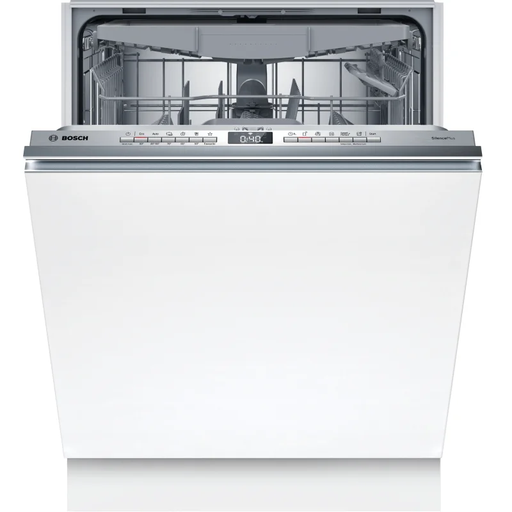 Image unavailable
An option to consider if you’re looking for a fully integrated model for mugs and other crockery.
Stated capacity: 14 place settings, with VarioFlex racks and an adjustable upper rack. A suitable kitchen door panel and niche are required.
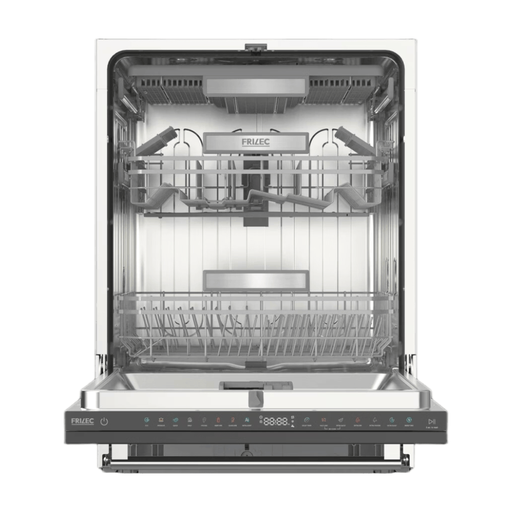 Image unavailable
An option to consider if you’re looking for an integrated model with space for a large mixed load.
Stated capacity: 16 place settings. The product description says installation must be carried out by a qualified technician.
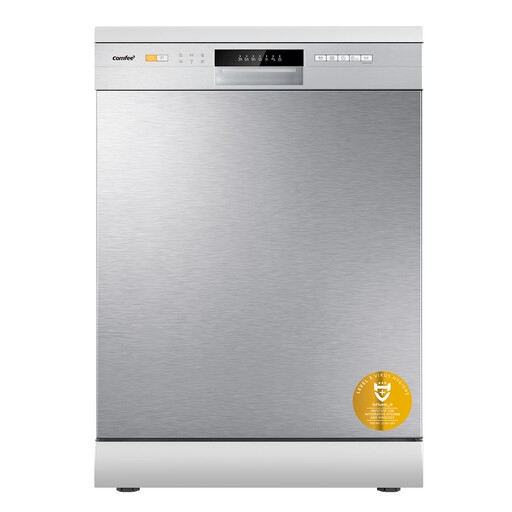 Image unavailable
A freestanding option for mixed loads if you also want to compare the programme options.
Stated capacity: 12 place settings, with a 30-minute programme. Check whether the rack layout suits the height and width of your mugs.
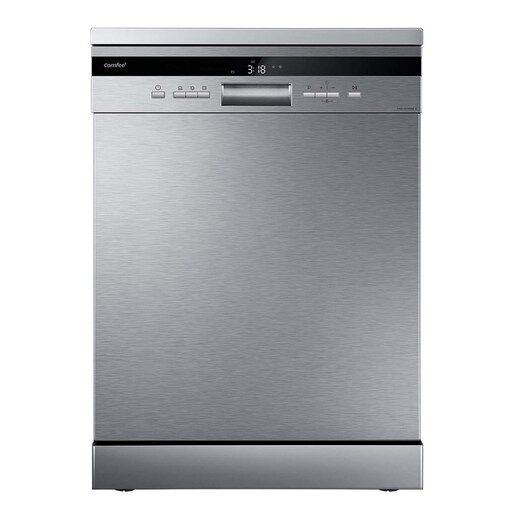 Image unavailable
A spacious freestanding option if you want to load mugs and other crockery together.
Stated capacity: 14 place settings, with flexible racks and an adjustable cup shelf. Check the layout against your own mugs.
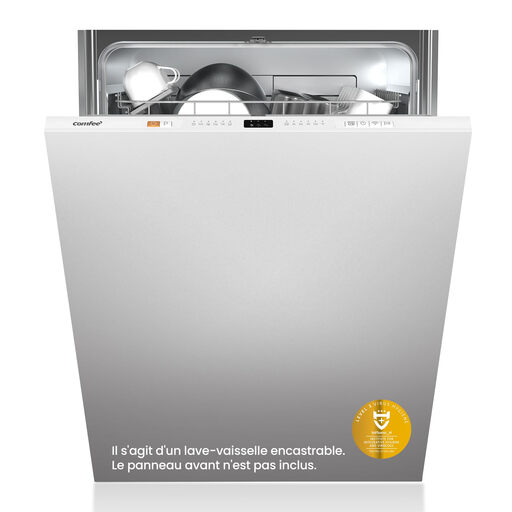 Image unavailable
An option for an integrated kitchen layout and mixed loads.
Stated capacity: 12 place settings, with an adjustable upper rack and a half-load function. A separate kitchen door panel is required and isn’t included.
No. A place setting includes different types of crockery, so it doesn’t tell you how many mugs will fit. Check the rack layout and the height and width of your own mugs.
Place mugs upside down and make sure water can drain out. Consumentenbond recommends placing cups and glasses upside down; for unusual or delicate mugs, also check the maker’s care instructions.
According to Consumentenbond, rinsing under the tap beforehand generally wastes water and energy. Remove any residue that could block the spray arms, and choose a programme to suit how dirty the crockery is.
Not necessarily. The European Commission describes the EU energy label for dishwashers as showing figures for the eco cycle. Compare those figures on their own terms, and check the duration of a short programme separately.
Not always: hot water and dishwasher detergent can damage delicate or decorated mugs. Follow the mug maker’s instructions and, if necessary, wash delicate ones by hand.