
Mugs as part of your everyday washing-up
You wash your mugs after a visit to the market along with plates and cutlery, and want a machine you can fill regularly. Milieu Centraal recommends loading the dishwasher properly.


First, choose a freestanding or integrated model that fits your kitchen. Then consider whether you usually have enough other dishes to wash with your mugs to fill the machine properly. A standard-size model is a good fit if you have enough space and regularly run full loads; a slimline model may suit you better if kitchen space or the amount of washing-up you usually have is limited. Milieu Centraal stresses the importance of running a full load, while the Consumentenbond recommends placing cups upside down and items with rims at an angle.
You wash your mugs after a visit to the market along with plates and cutlery, and want a machine you can fill regularly. Milieu Centraal recommends loading the dishwasher properly.
The available width or the amount of washing-up you usually have may make a standard-size model less practical. Bosch Nederland lists the SPS4EMI17E as 450 mm wide.
You want to place your mugs securely in the rack so they are positioned correctly and water can drain away. The Consumentenbond recommends placing cups upside down and items with rims at an angle.
| What to consider | What to look for | Who it's for |
|---|---|---|
| Size and capacity | Measure the width, depth and height, and allow for the space needed to open the door. Consider the capacity in terms of both your mugs and the rest of your washing-up. | If I want to wash mugs with my everyday dishes, I need to know whether the machine will fit and is usually full. Around 33% of consumers prioritise size and capacity. |
| Positioning mugs | Check whether your mugs can sit upside down or at an angle without touching each other or obstructing the spray arms. | I want to position my mugs so the water can reach them and drain away afterwards. Around 27% of consumers prioritise rack layout and drainage. |
| Energy and water consumption | Compare kWh per 100 eco cycles and litres per eco cycle on a like-for-like basis. Also consider how often you can run the machine full. | If I want to take consumption into account for my usual washing-up, I compare the figures for the eco programme. Around 20% of consumers prioritise energy and water consumption. |
| Noise and drying | Compare the stated noise emissions and check the drying technology on the exact model; the shape and positioning of your mugs still matter. | I consider noise if the machine is close to my living space, and want to know whether my mugs need extra drying afterwards. Around 20% of consumers prioritise noise and drying performance. |
The benefit of extra capacity depends partly on whether you usually fill the machine properly. Measure the space in your kitchen too, and check how the racks suit your mugs and other dishes.
Compare the amount of washing-up you usually have with the rack layout, and check the available space for the appliance and the door to open.
Water can collect on cups that are not positioned correctly. The Consumentenbond recommends placing cups upside down and items with rims at an angle.
Check that your mugs can sit properly in the rack without obstructing the spray arms.
The comparison figures on the EU energy label relate to the eco programme, not every wash. The European Commission lists energy consumption per 100 eco cycles and water consumption per cycle, among other details.
Compare figures for the same programme, and consider the programmes you usually use and your loading habits when making your choice.
As well as the right external dimensions, an integrated model needs a suitable niche and door arrangement. Matching widths alone do not guarantee that an appliance will fit your kitchen.
Before buying, check the installation type and installation details for the exact model.
If the niche or door arrangement is unsuitable, you may need to modify the kitchen or the front panel.
The Dutch range includes freestanding dishwashers that are 60 cm and 45 cm wide, making it easy to compare standard and slimline sizes.
Miele offers freestanding models with a range of rack layouts and drying functions.
The Dutch range includes freestanding models with a variety of stated capacities.
The SN23EW03LE is a freestanding 60 cm iQ300 model and offers another standard-size option to compare.
This selection includes freestanding and integrated dishwashers for washing mugs with the rest of your dishes. Before buying, check that the model and installation are suitable for your kitchen.
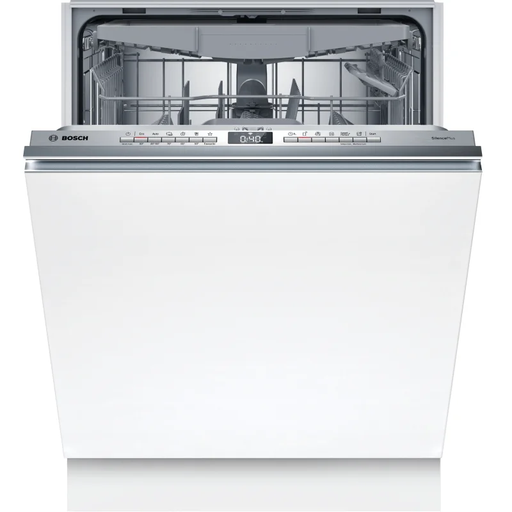 No image available
Worth considering if you are looking for an integrated model and your kitchen has a suitable niche; check that your mugs can be positioned properly in the rack.
Fully integrated; 60 cm.
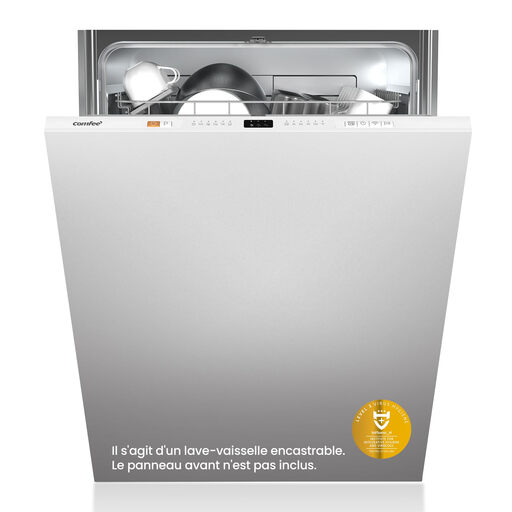 No image available
An integrated option to compare if you are looking for a built-in model; check that the controls and installation suit your kitchen and how you plan to use it.
12 place settings and 8 programmes. The product title also mentions extra drying and a 30-minute quick programme. Front panel not included.
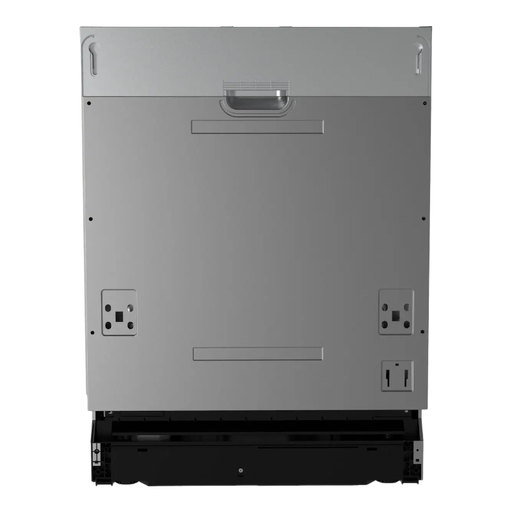 No image available
Worth considering if you are looking for a 60 cm integrated model; check the niche dimensions and that your mugs fit in the racks.
Energy class E.
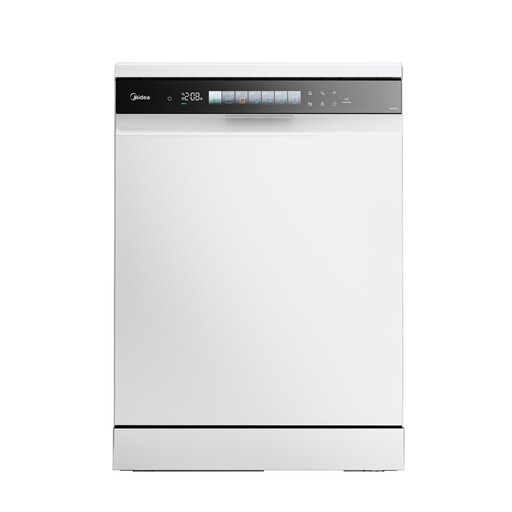 No image available
A freestanding option to compare if you are not looking for an integrated model; measure the available space and see how the racks work with your own mugs.
Freestanding, white.
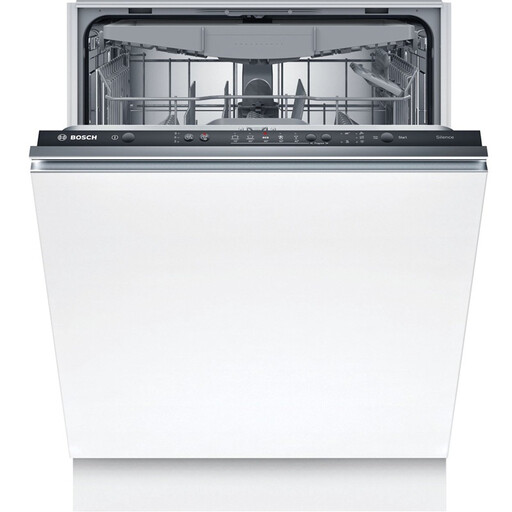 No image available
Worth considering if you are looking for an integrated model and your kitchen has a suitable niche; compare the rack layout with your mugs and other dishes.
13 place settings, 6 programmes, VarioSpeed and AquaStop, according to the product title.
Usually not: remove any food residue and place the mugs upside down or at an angle in the dishwasher. Check that the spray arms can turn freely and that the mugs are dishwasher-safe according to their product information.
Place mugs upside down and position items with rims at an angle so the water can drain away. The Consumentenbond recommends this approach; a drying function is no substitute for a suitable place in the rack.
For a freestanding model, measure the available space; for an integrated model, also check the niche dimensions and door arrangement. Read the connection and installation instructions for the exact model, and check what the seller says about delivery or installation.
The EU label lists energy consumption per 100 eco cycles and water consumption per cycle, among other details. These are comparison figures for the eco programme, not fixed costs for each wash; your usage and tariffs also make a difference.
Report the problem to the seller. According to the Dutch government, the seller must provide a solution if there is a problem with a product; a manufacturer’s guarantee is separate from your statutory rights.